What is an isolation transformer?
Isolation transformer is a specialized electrical device that helps transform power sources. Normally, this device will convert from Vietnam's standard 3-phase voltage of 380V to international standards, such as 200V 3-phase in Japan or 220V 3-phase in the US. In addition to the ability to adjust voltage like conventional transformers, the highlight of the isolation transformer is the ability to separate the power source, ensuring absolute safety for users.
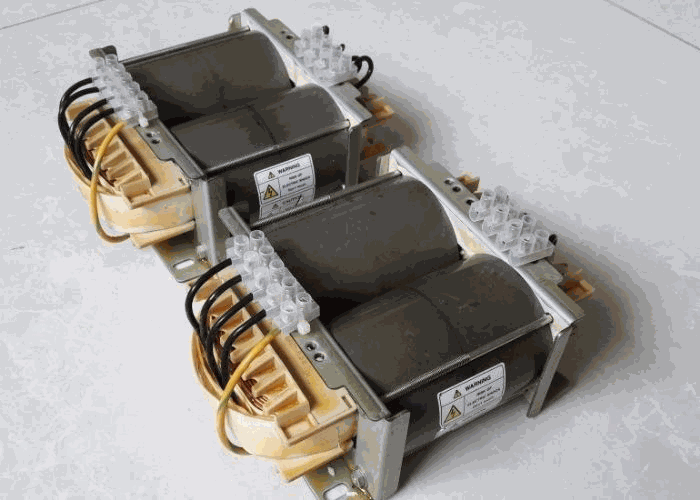
Structure of the isolation transformer
Transformer shell:
The shell of the isolation transformer is made from high-quality anti-rust materials, with a light gray electrostatic paint layer, providing a luxurious appearance and increased durability. This shell has the role of protecting the internal components from external impacts, ensuring the performance and safety of the device.
Steel core:
The steel core in the transformer is responsible for creating magnetic flux. For 3-phase transformers, the steel core consists of 3 identical pillars, corresponding to 3 electrical phases, helping the device operate effectively and stably in 3-phase applications.
Winding coil:
The isolation transformer consists of a primary coil and a secondary coil, wound around a steel core and electrically isolated, clearly different from an autotransformer. In an autotransformer, there is only one coil that performs both tasks - both conducting input voltage and output voltage - helping to optimize production costs and reduce machine size. However, isolation transformers ensure outstanding safety and efficiency.
Thanks to its different structure, isolation transformers bring unique benefits compared to conventional transformers.
Why is it necessary to use an isolation transformer?
Nowadays, electrical incidents often occur, we need to have effective solutions to avoid production interruptions in companies and businesses. Issues of electrical isolation, noise filtering, harmonic handling or voltage stabilization are all big challenges in the electricity industry, especially the need for electrical isolation and noise filtering in industrial zones. Choosing a high quality isolation transformer helps solve these problems.
With most modern industrial machinery imported to meet international standards, understanding the structure and having knowledge about the equipment will help quickly handle situations that arise during operation, ensuring quality and production efficiency.
What are the uses of isolation transformers?
- The power source isolation transformer has outstanding advantages in ensuring safety thanks to its effective insulation and anti-shock ability. With a special structure, all points on the transformer's secondary coil have zero potential compared to ground, helping to avoid the risk of electric shock when accidentally touching the case or low-voltage coil.
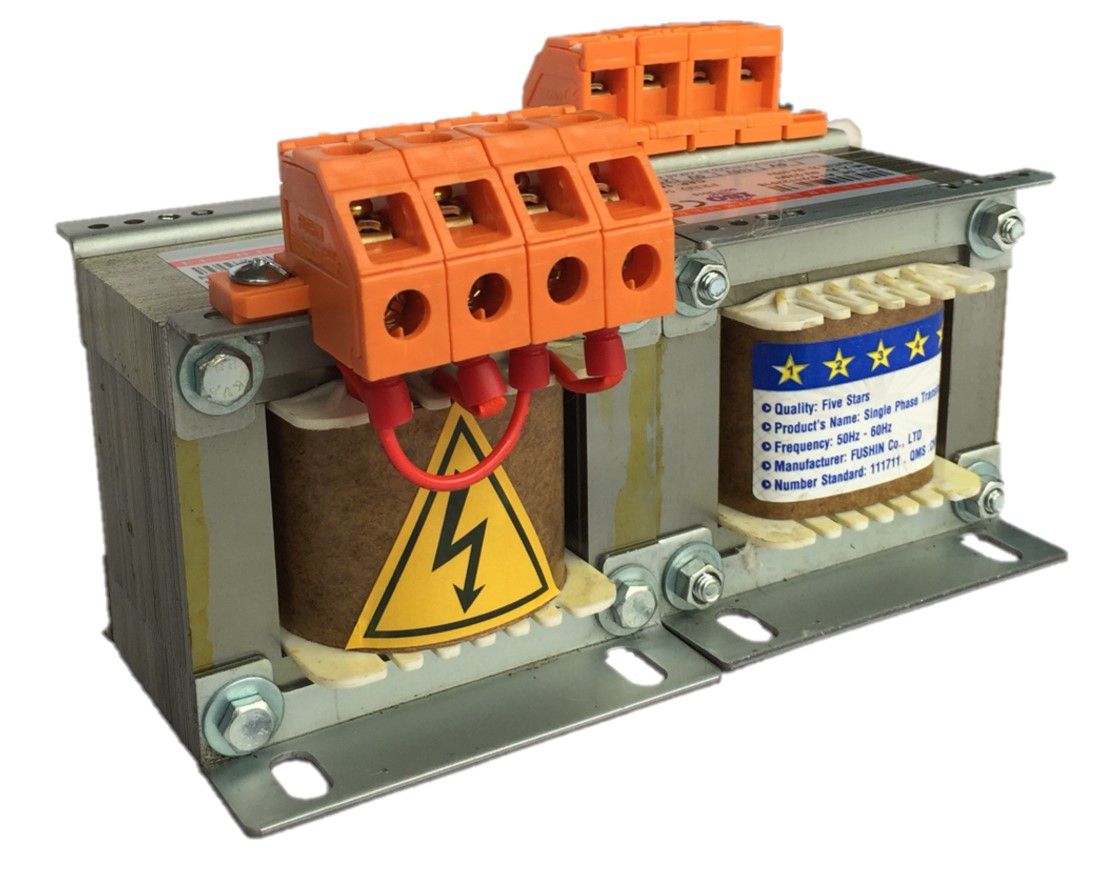
- For the power source noise filtering transformer, it plays an important role in reducing voltage distortion caused by harmonics and RF waves generated from electrical equipment. Thanks to its ability to effectively filter noise, isolation transformers are often integrated in sound systems, audio systems, and television equipment, helping to provide smooth, clear sound quality and minimize discomfort. for users when using.
- Power sources often contain harmful waves such as harmonics and RF waves, which are generated when mechanical equipment operates and reflect back into the electrical system, causing voltage distortion. This phenomenon not only reduces power efficiency but also poses a potential risk of equipment failure, leading to high repair costs. Isolation transformers help completely eliminate harmonics, RF waves and lightning, maintaining "clean" electricity for the electrical system.
- In addition to voltage regulation, isolation transformers also play a role in receiving and transmitting control signals on power supply lines, especially in applications related to PLCs.
- With the advantage of maintaining the standard frequency, the isolation transformer keeps the output voltage stable at the nominal level despite fluctuations in the input power source. As a result, powered devices will operate smoothly and have a longer lifespan, regardless of unstable grid conditions.