
Arduino
Arduino – A Flexible Open-Source Electronics Platform for Every Application
A Journey of Innovation and Growth
Arduino is one of the pioneering brands in the open-source electronics platform space. Founded in 2005 in Italy, its mission has always been to make embedded programming and electronic control accessible to everyone — from students and hobbyists to professional engineers.
With its philosophy of openness in both hardware and software, Arduino quickly became a global favorite. Arduino boards can easily interface with sensors, actuators, wireless modules, displays, and a wide range of external devices. Thanks to its ease of use, expandability, and strong developer community, Arduino has built a complete and dynamic product ecosystem.
A Multi-Layered Product Ecosystem
Arduino’s ecosystem is designed to be open, flexible, and easily expandable, meeting the needs of both beginners and advanced users. Each product group is closely connected, enabling users to build complete systems without starting from scratch.
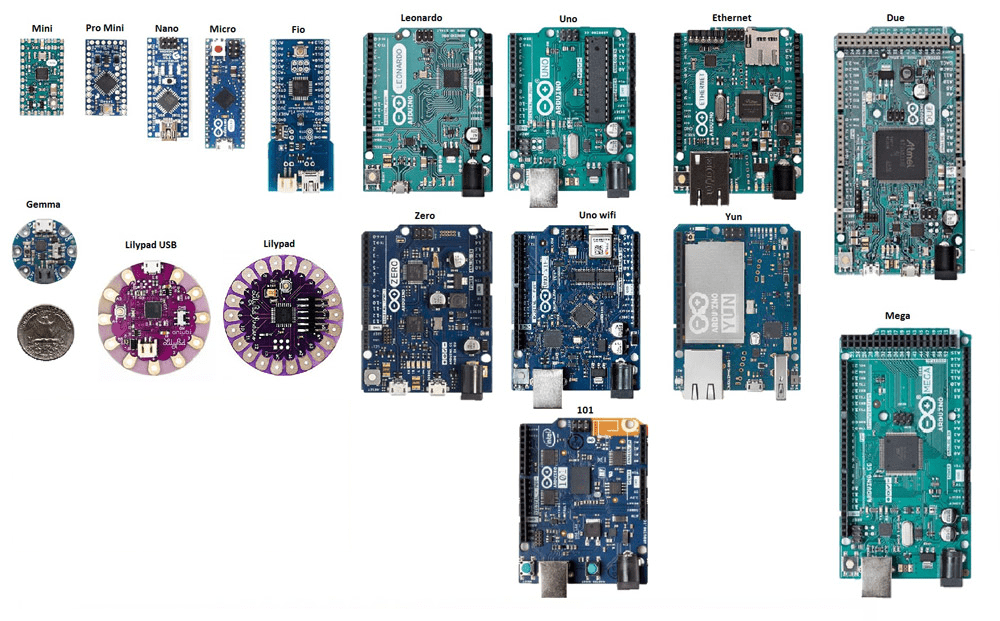
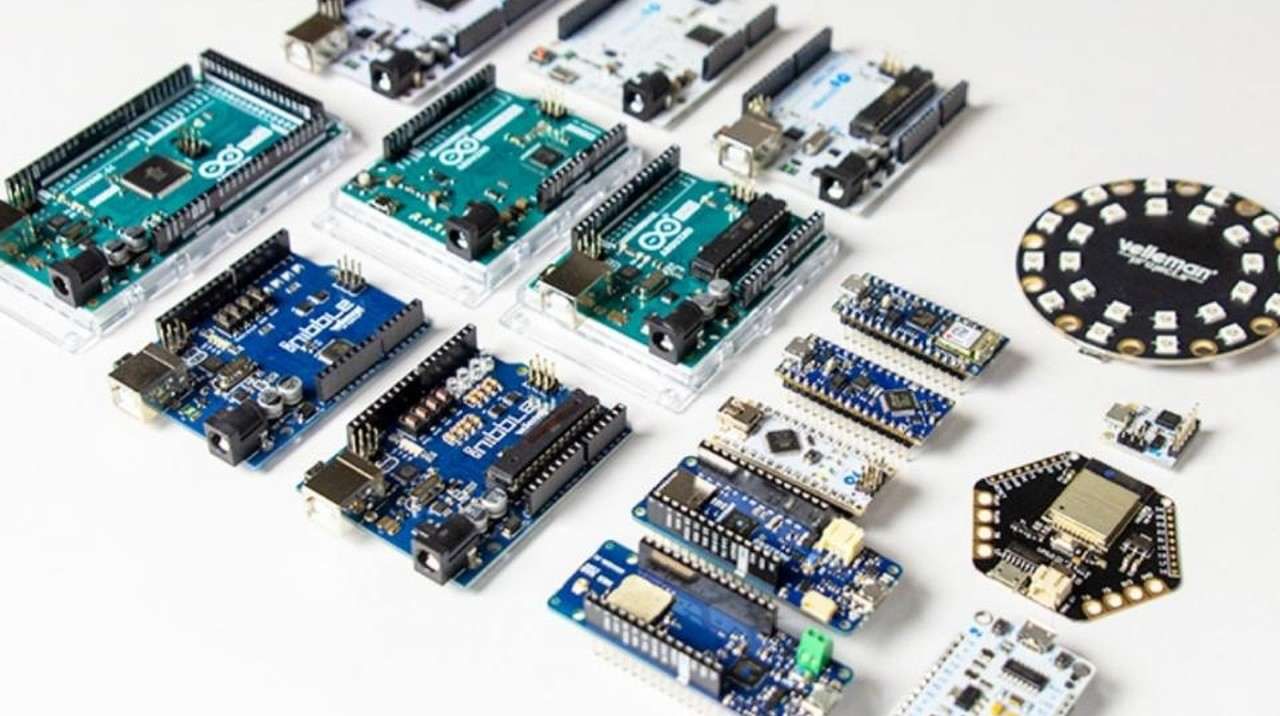
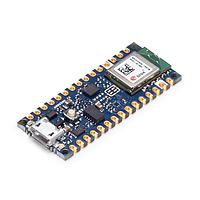
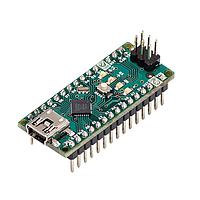
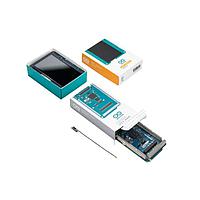
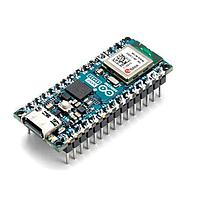
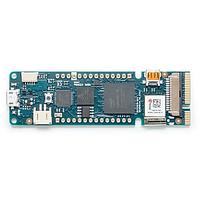
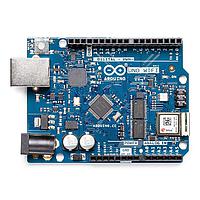
Controller Boards – The Core of Every System: The controller board is the heart of any Arduino-based system. It processes signals, communicates with sensors, and controls external devices. Depending on the application, users can choose compact boards for learning or high-performance boards for advanced IoT systems.
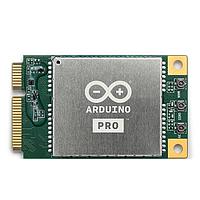
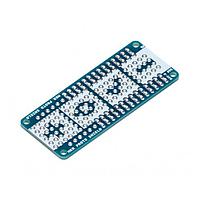
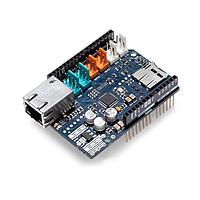
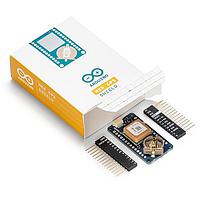
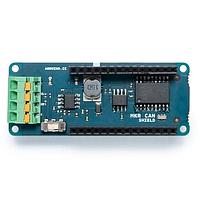
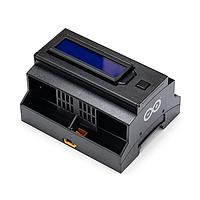
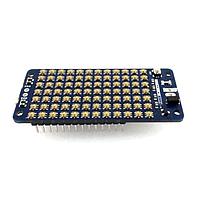
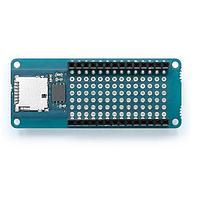
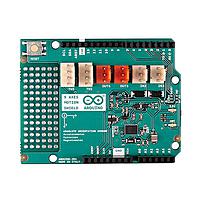
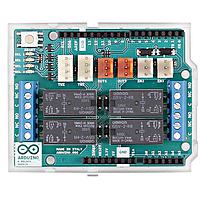
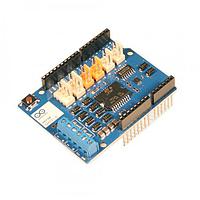
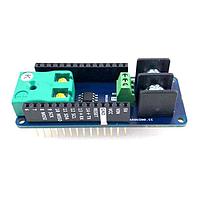
Modules and Expansion Boards: These components extend the functionality of the main board quickly and conveniently. Expansion modules include wireless communication, display, motor control, environmental sensing, and signal processing. The “plug & play” structure significantly shortens development and testing time.
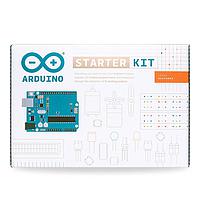
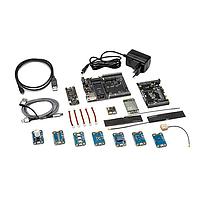
Learning and Education Kits: Ideal for beginners, students, and STEM programs. Each kit typically includes a controller board, connecting cables, sensors, and a comprehensive guide. This helps users quickly understand electronics and embedded programming through hands-on projects.
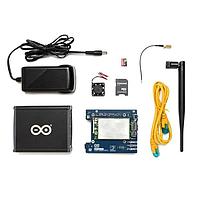
Accessories and Supporting Components: Including cables, power adapters, pin headers, enclosures, and standalone sensors. These components ensure stable connections, cleaner layouts, and more efficient assembly.
Software Platforms and IoT Solutions: Arduino is more than hardware. Users can program, manage devices remotely, collect data, and connect to the cloud through integrated platforms and open-source libraries. This is the bridge between Arduino hardware and modern intelligent systems.
Key Strengths of the Arduino Brand
Open-Source and Global Community: Arduino is built on open licenses, encouraging innovation and collaboration. Its global community provides thousands of shared libraries, tutorials, and support resources.
Flexible and Easy to Expand: The multi-layered structure allows users to combine various modules and components to build systems of different scales and complexity.
Affordable and Accessible: Compared to many other embedded hardware platforms, Arduino offers cost-effective solutions, widely available components, and easy maintenance.
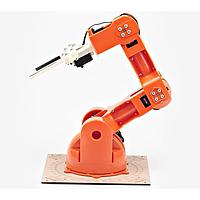
Applicable Across Multiple Fields: Arduino is widely used in STEM education, research, IoT, factory automation, renewable energy, robotics, smart agriculture, and many other fields.
Shaping the Future of IoT and Smart Technology
Arduino is not just an open-source hardware brand — it is a complete technology ecosystem that empowers people to learn, experiment, and build intelligent solutions.
With flexible boards, a wide variety of expansion modules, comprehensive learning kits, and powerful software platforms, Arduino continues to hold a leading position in the world of open electronics.

Get exclusive volume discounts, bulk pricing updates, and new product alerts delivered directly to your inbox.
By subscribing, you agree to our Terms of Service and Privacy Policy.
Direct access to our certified experts