In electrical systems, cables transmit power between equipment and operating areas. When a fault occurs, accurately identifying its type and location is essential for inspection, repair, and restoring system operation. A cable fault locator is used to help detect, analyze, and locate fault points in electrical cables.
Rather than relying solely on visible symptoms, technicians can combine measurement signals with information about the cable route to narrow down the possible fault location. This approach is particularly useful when dealing with cables with complex structures or different installation methods.
What Is a Cable Fault Locator ?
A cable fault locator is a specialized instrument used to detect abnormalities and determine their location along an electrical cable. Depending on the test method, the instrument can analyze the electrical characteristics of a cable using principles such as pulse reflection, electromagnetic induction, or acoustic signals generated around a fault point.
The instrument essentially converts faults that cannot be directly observed inside a cable into measurable data or detectable signals. Measurement results should be evaluated together with the cable route, cable construction, and actual field conditions rather than interpreting individual parameters in isolation.
When Is Cable Fault Location Required ?
Cable fault testing is typically considered when an electrical system experiences power interruptions, abnormal voltage conditions, or repeated overload protection trips. These symptoms should be evaluated together with the overall operating conditions before the cause of the problem is determined.
Common fault types encountered during cable diagnostics include short circuits, open circuits, ground faults, and insulation breakdown or discharge faults. Each fault can produce different signal characteristics, so the test method should be selected accordingly.
For problems associated with internal insulation deterioration, additional testing methods may be required to obtain a more complete assessment of the cable condition.
Factors Affecting Cable Fault Diagnosis
Cable Type and Installation Method
The cable material, insulation system, construction, and installation method can affect the characteristics of a fault and determine which measurement method is appropriate.
Information about underground cables, cables installed in cable trays, joints, and other sections of the cable route should be documented before testing. These details can affect the interpretation of measurement results and the accuracy of fault location.
Type of Fault
A short circuit, open circuit, ground fault, or discharge fault does not necessarily produce the same signal characteristics. Preliminary identification of the fault type helps technicians select an appropriate method for signal generation, acquisition, and analysis.
Environmental Conditions
Groundwater level, soil resistivity, and ambient temperature can affect test signals during field measurements. Environmental conditions should therefore be recorded together with the test results to provide additional reference data for subsequent analysis.
Test Equipment and Operator Skills
Instrument capability, calibration status, and operator experience all have a direct impact on the quality of cable fault diagnosis.
Operating a cable fault detector requires basic electrical knowledge, familiarity with the instrument, and compliance with the applicable test procedure. Proper operation is essential for both measurement consistency and electrical safety.
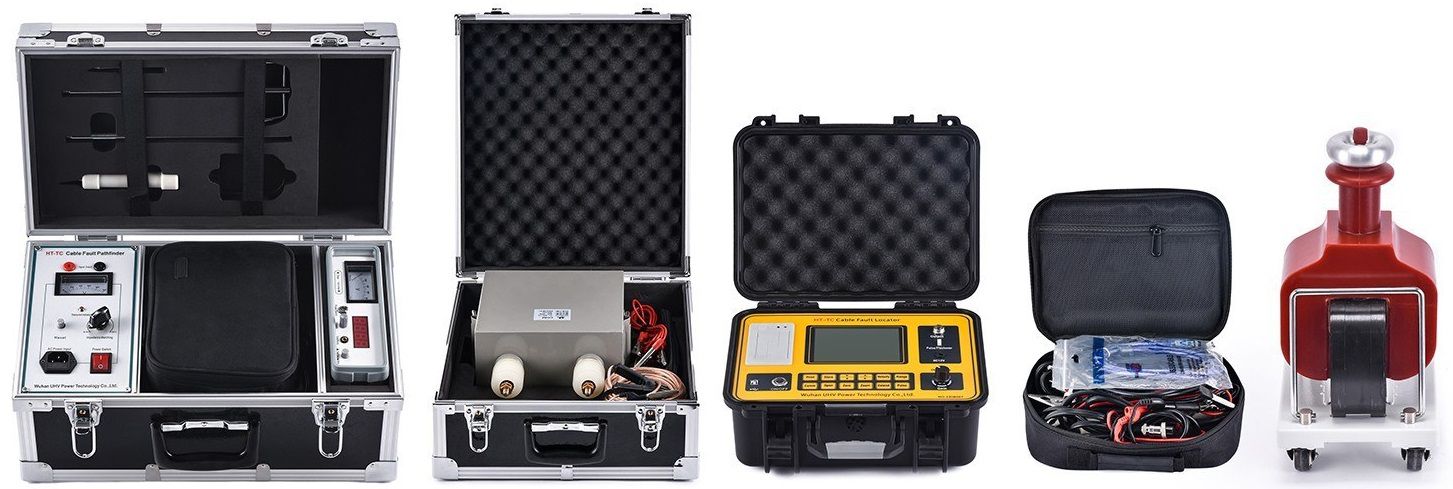
Equipment Used for Cable Fault Diagnosis
A cable fault diagnosis system may combine several instruments rather than relying on a single device. A high-voltage generator can provide the required test signal, while a signal acquisition and analysis system records the response for further evaluation.
In some applications, an acoustic probe can help detect sound waves generated by an electrical discharge at the fault location. A distance meter can also be used together with other measurement data to estimate the physical location of the fault.
Combining different measurement methods provides additional information for verification, particularly when the test signal is affected by cable construction or installation conditions.
How to Use a Cable Fault Locator Effectively
Collect cable route information: Review the cable type, construction, installation method, repair history, and previously recorded abnormal conditions.
Determine the test approach: Make a preliminary assessment of the fault symptoms and select the appropriate test method and supporting equipment.
Perform measurements and compare the results: Follow the instrument operating procedure and compare the measured signals with cable route information and field conditions.
Narrow down and verify the fault location: Use additional measurement methods when necessary to improve confidence in the suspected fault location before repair work begins.
Maintain test records: Record measurement results, fault history, and maintenance status for future inspections and troubleshooting.
The test equipment should be regularly maintained and calibrated to ensure reliable operation. Systematic operator training is also necessary to improve the ability to interpret measurement signals, select appropriate test methods, and comply with electrical safety requirements.
Frequently Asked Questions
Can a cable fault locator detect every type of cable fault ?
A cable fault locator can help locate many common cable faults, including short circuits, open circuits, and ground faults. However, unusual faults or problems associated with internal insulation deterioration may require additional testing methods.
Should only one measurement method be used ?
Relying entirely on a single method is generally not recommended. Comparing results from different test techniques and supporting instruments provides additional evidence for verifying the suspected fault location and condition.
What should operators pay attention to ?
Operators should have basic electrical knowledge, be properly trained to use the instrument, and follow the applicable safety procedures throughout the test. This helps maintain reliable measurement results while reducing the risks associated with testing electrical systems.
A cable fault tester is a useful tool for electrical cable inspection and fault location. When used together with cable route records, appropriate supporting equipment, and a controlled test procedure, it provides a systematic approach to diagnosing and locating cable faults.