The rise of smartphone thermal cameras has completely transformed how engineers, HVAC technicians, and everyday users perform quick inspections. These compact devices have become professional tools, turning an ordinary smartphone into a powerful thermal inspection system within seconds.
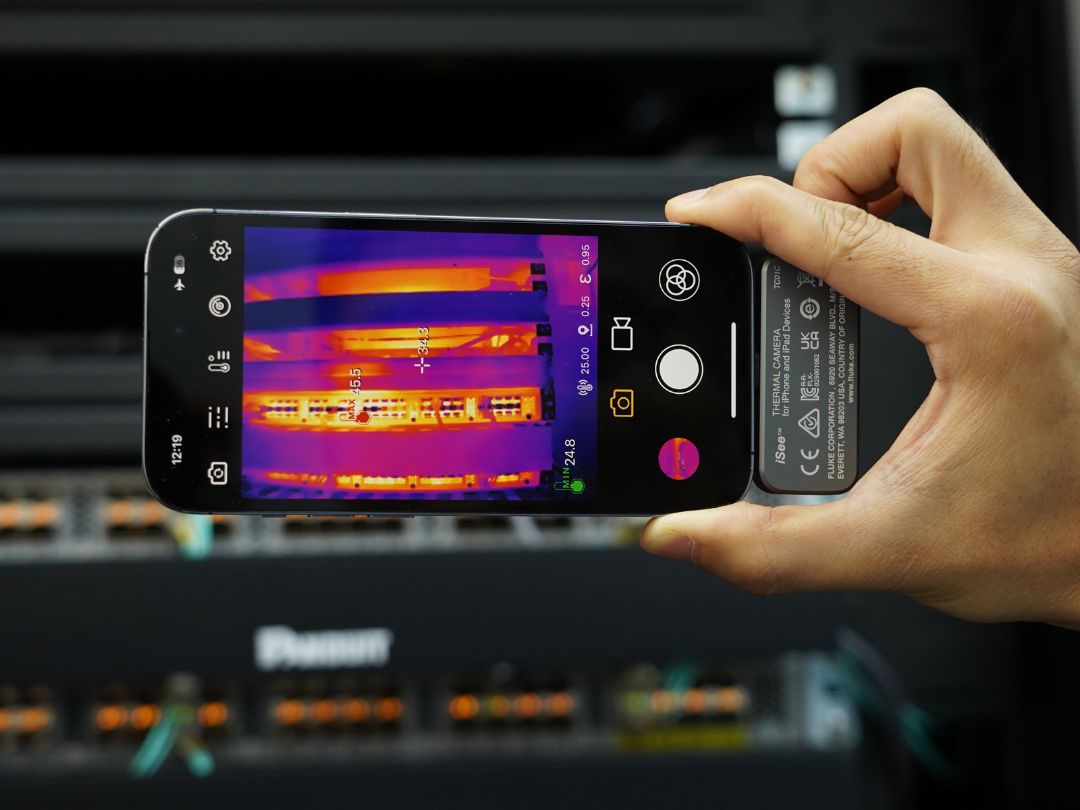
5 Specifications That Determine Smartphone Thermal Camera Quality
When faced with countless models on the market, understanding the following technical parameters will help you choose the right device:
Infrared Resolution (IR Resolution)
This is the most critical factor determining the sharpness of thermal images. While 80×60 pixels used to be common, 256×192 pixels has now become the new “gold standard.” This higher resolution provides significantly more detail, allowing you to clearly distinguish small components on circuit boards instead of seeing a blurry area.
Frame Rate
Frame rate indicates how many images are displayed per second. Budget models often operate at only 9Hz, causing lag when moving the phone. In contrast, high-end models with 25Hz deliver smooth performance, making it easier to observe moving targets or scan large areas without missing details.
Thermal Sensitivity (NETD)
The lower the NETD value (measured in mK), the more sensitive the device. A camera with NETD < 40mK can detect extremely small temperature differences, helping identify hidden heat leaks or moisture behind walls that are invisible to the naked eye.
Focus Capability
Many low-cost devices use fixed focus, which is only sharp at a certain distance. However, for inspecting tiny components on a motherboard, you should prioritize models with manual focus. This allows you to get closer to the target while maintaining sharp image clarity.
Temperature Range
Choose a temperature range based on your needs. Typically, a range from -20°C to 550°C is ideal for most applications, from HVAC system inspections to heavy industrial machinery.
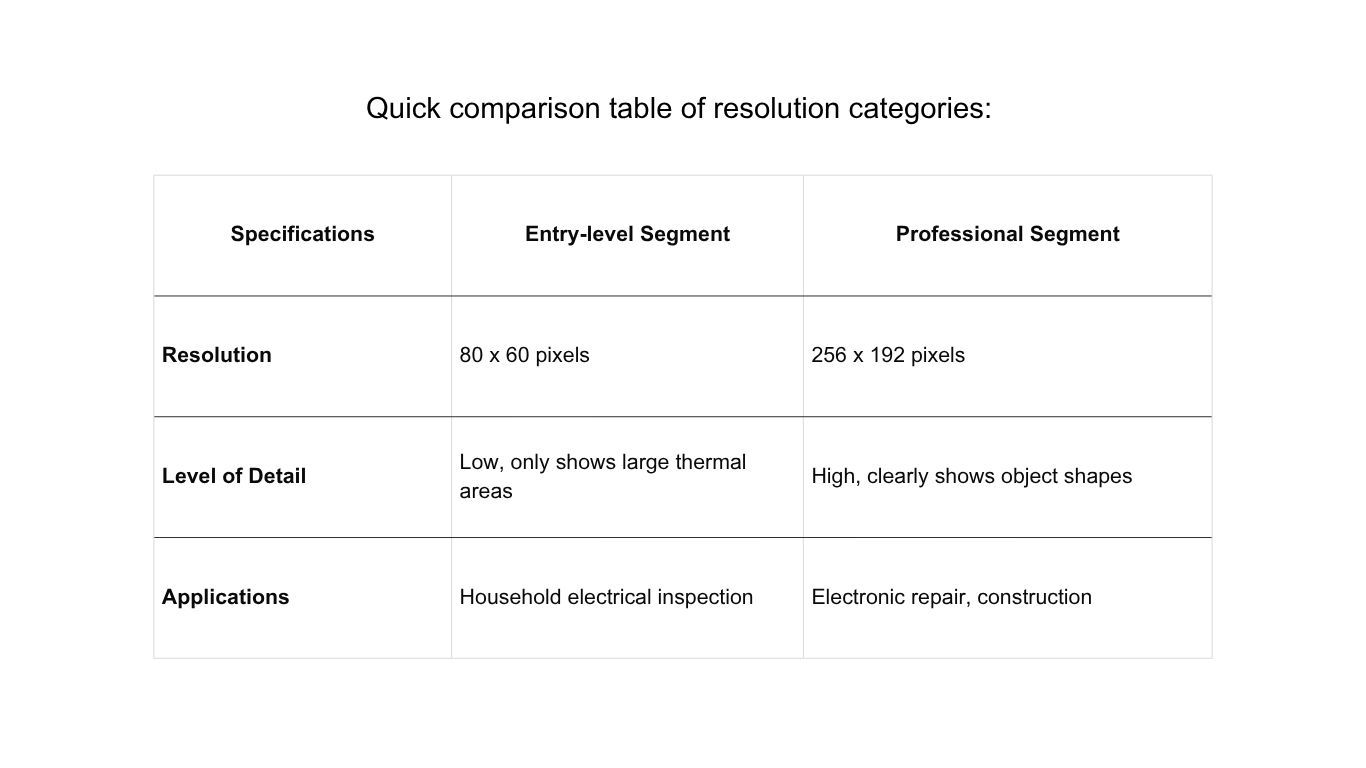
Reference: Handheld thermal cameras from FLIR Systems
Practical Applications Beyond Expectations
The power of infrared thermal sensors on smartphones goes far beyond electrical maintenance, expanding into many areas of daily life and industry.
Construction: Ideal for detecting water leaks, hidden pipe issues, or heat loss through doors and windows—helping reduce energy costs.
Electronics repair: Technicians use thermal cameras to locate faulty or short-circuited components, which quickly show abnormal heat patterns.
Security and inspection: Highly useful for warehouse patrols or detecting objects in the dark, thanks to the ability to detect heat radiation instead of visible light.
Advantages and Disadvantages of Smartphone Thermal Cameras
Advantages:
Much more affordable than handheld devices with similar resolution
Utilizes the smartphone’s high-quality display and storage to capture images, record videos, and instantly share reports via apps like Zalo or Email
Compact and highly portable - easy to carry anywhere
Disadvantages:
Draws power directly from the phone, potentially causing overheating during prolonged use
Lower durability and water resistance compared to rugged professional devices
Buying Tips Based on Operating System (Android vs iOS)
When purchasing a smartphone thermal camera, pay special attention to the connection port. Most newer models from brands like Fluke or HIKMICRO have switched to USB-C/Type-C, making them compatible with modern Android smartphones and iPhone 15 and later. If you are using an older iPhone, you will need a version with a dedicated Lightning connector.
Additionally, check the companion app on the App Store or Google Play. A stable app with multiple color palettes and multi-point measurement tools will significantly improve data analysis efficiency.
A smartphone thermal camera is a smart investment for anyone who needs mobility and high accuracy without spending too much. By understanding the five core specifications, you can easily own a professional “thermal eye” right in your pocket.
Prioritize reputable brands with stable software and strong technical support to ensure long-term performance. If you’re still unsure, contact EMIN for expert advice on the most suitable model for your needs!