Common problems in old sterilizers after long-term use
Autoclaves are indispensable equipment in microbiology laboratories, often used to sterilize specimens and instruments at high temperatures (such as 121°C), helping to prevent contamination and ensure accurate experimental results.
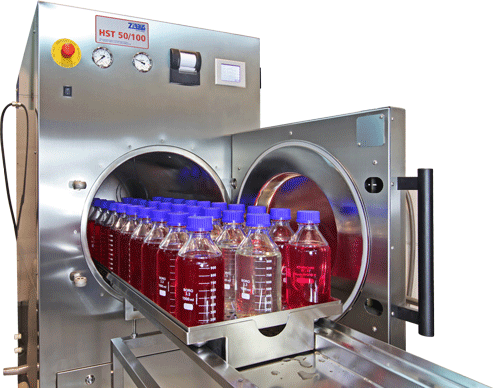
However, after a long period of operation, old autoclaves that have been used for many years often begin to develop errors, causing many inconveniences during operation. So what are these common problems?
Damaged resistor
The resistor is the main heating element in the autoclave, ensuring that the internal temperature always meets the requirements. After a long period of operation, the resistor may be corroded, covered with scale or accumulated with dust, reducing the heat generating capacity of the device.
When the resistor no longer ensures the heating function, the temperature and pressure control in the autoclave chamber may be distorted, affecting the sterilization efficiency as well as the overall operation.
Aging rubber seal
The rubber gasket surrounding the lid of the autoclave acts to prevent heat loss during the sterilization process. In equipment that has been used for many years, the rubber gasket can age and lose its elasticity, leading to heat leakage and reduced operating efficiency. Heat escaping slows down the sterilization process and poses a potential safety risk to the operator.
Lid lock is broken
In addition to the rubber gasket, the lid lock is also the part that keeps the pot lid tightly closed during operation. After many years of use, the lock on old sterilizers can be damaged, making the lid unable to close completely, thereby causing unsafe operation of the device.
Leaks at valves and pipes
Leaks in the valve or pipe of the autoclave will cause the device to not maintain the necessary tightness, directly affecting its ability to operate. Not only will the required pressure and temperature not be achieved, this problem also increases the risk of overheating and causing danger during use.
Related Posts:
Is there any harm in using an autoclave?
How to use an autoclave and what are the uses you don't know?
Top 3 most popular autoclaves in 2023
Some things to note when operating old, long-used autoclaves
In order for autoclaves that have been used for more than 7 years to maintain good performance and provide stable sterilization results at a stable temperature, regular maintenance and inspection are essential. So what should operators pay attention to when using old equipment?
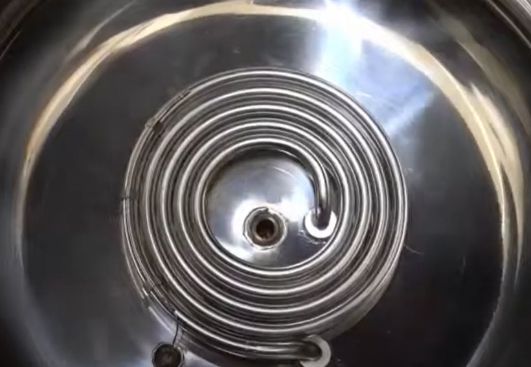
- Regularly remove excess water remaining in the steam chamber every day and use purified water to minimize the risk of damage to the resistor. When the resistor is still good, the heat generation capacity will be stable, helping the device maintain the appropriate pressure and temperature throughout the operating cycle.
- Periodically clean the steam chamber and the pot lid every month to avoid dust accumulation, affecting the operation process. When detecting signs of rubber gasket loss or not ensuring tightness, it is necessary to replace it immediately to avoid heat loss and ensure the device always operates effectively.
- Regularly check the tightness of the locking pins on the lid to ensure that the pot is always closed during operation. In addition, the lid closing operation must also be performed in the correct order to avoid breaking or warping the locking mechanisms.
- It is necessary to periodically monitor the temperature and pressure parameters at various points inside the autoclave using a specialized data logger with high accuracy.
- For autoclaves with integrated vacuum function, it is recommended to conduct leak testing, temperature and pressure control according to international standards such as UNI EN ISO 13060, using specialized equipment such as Tecnosoft PressureDisk Datalogger for accurate results.