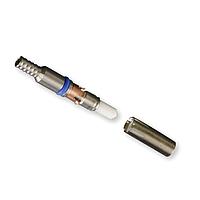
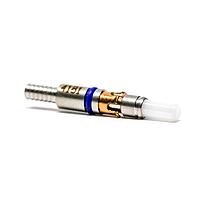
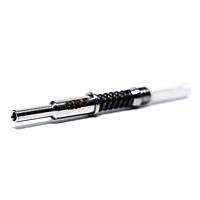
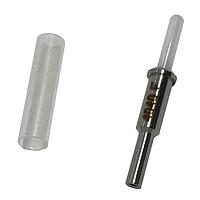
MIL Spec Fiber Optic Connectors
High-reliability optical links are often chosen when electrical interconnects face limits in bandwidth, signal integrity, EMI resistance, or transmission distance. In aerospace, defense, rugged industrial systems, and other mission-critical environments, the connector becomes just as important as the fiber itself. MIL Spec Fiber Optic Connectors are used in these applications to support stable optical performance while meeting demanding mechanical and environmental expectations.
This category is intended for buyers and engineers who need fiber interconnect solutions suited to harsh-duty platforms, field deployment, and tightly controlled system designs. Rather than treating fiber connectivity as a generic component, it helps to evaluate termination style, interface format, environmental sealing, mating durability, and compatibility with the rest of the connector ecosystem.
Where MIL-spec fiber optic connectors are commonly used
Fiber optic interconnects built for military-style and ruggedized applications are typically selected where systems must move large amounts of data with low susceptibility to electromagnetic interference. Common use cases include avionics, ground vehicles, naval systems, tactical communications, test systems, shelters, and mobile platforms where vibration, temperature variation, and repeated connection cycles are part of normal operation.
They are also relevant in industrial and transportation environments that borrow from defense-grade design practices. In these projects, the goal is not only optical transmission, but also a dependable connector interface that can be integrated into a broader interconnect architecture alongside related solutions such as MIL-spec circular connectors when mixed signal and power distribution are required in the same platform.
Why fiber is chosen in rugged interconnect systems
Compared with copper-based links, fiber offers clear advantages in applications that demand high data throughput, electrical isolation, and resistance to EMI/RFI. That makes it especially useful in dense electronic environments, high-speed communications backbones, and sensor networks where signal quality must be maintained across longer runs or noisy installations.
Within a rugged system, however, cable performance alone is not enough. The connector interface must support secure mating, repeatable optical alignment, and reliable operation under mechanical stress. This is why buyers often focus on the full interconnect system rather than the optical media alone, including backshell compatibility, cable routing, mounting style, and maintainability in the field.
Key factors to consider when selecting the right connector
Selection usually starts with the practical conditions of the application. Engineers typically review the number of fiber channels required, the expected installation environment, whether the connection is fixed or frequently mated, and how the connector will interface with enclosures, panels, harnesses, or transportable equipment. Space constraints and service access can also strongly influence the preferred form factor.
It is also important to verify how the connector fits into the broader architecture. Some programs require optical links alongside shielded copper interfaces, RF paths, or legacy equipment connectors. In those cases, related families such as MIL-spec D-Sub connectors or MIL-spec RF connectors may be part of the same design environment, even if the fiber link serves a distinct transmission role.
Another practical point is maintainability. Projects with strict uptime requirements may prefer connector options that simplify inspection, cleaning, replacement, or modular servicing. In rugged deployments, small differences in accessibility and handling can have a large impact on long-term supportability.
Understanding the broader connector ecosystem
MIL-spec fiber optic interfaces are rarely purchased in isolation. They are usually part of a larger network of cable assemblies, panel interfaces, bulkhead feedthroughs, circular or rectangular housings, and subsystem-level harness designs. Looking at the category through that systems perspective helps narrow choices more effectively than comparing connector styles by name alone.
For example, if a platform uses modular enclosures or rack-based equipment, there may also be design overlap with MIL-spec rectangular connectors. The optical connector still performs a specialized function, but procurement and engineering teams often benefit from aligning mounting strategy, sealing expectations, and service procedures across the complete interconnect package.
Manufacturers often considered for this category
This category includes products associated with recognized suppliers in the rugged interconnect market. Brands such as Amphenol Aerospace, Amphenol Fiber Optics, Amphenol FSI, Glenair, Cinch, and Trompeter / Cinch Connectivity Solutions are frequently evaluated when buyers are sourcing components for demanding environments.
Each manufacturer may be relevant for different program requirements, legacy standards, integration preferences, or support expectations. For that reason, selection is usually based less on brand familiarity alone and more on fit with the intended application, qualification path, mechanical interface, and the surrounding cable and connector architecture.
What matters for B2B sourcing and project planning
For OEMs, integrators, defense contractors, and maintenance organizations, the buying process often extends beyond a single part search. Teams may need to compare connector families across multiple platforms, align with approved vendor lists, or source matching components for new builds and service spares. Clear categorization helps reduce ambiguity when systems involve multiple connector technologies operating side by side.
It is also useful to evaluate availability in the context of long-term program support. In high-reliability sectors, connector selection can affect validation work, field maintenance procedures, and future redesign effort. A well-chosen fiber optic connector interface can simplify integration and reduce risk during both initial deployment and lifecycle support.
Finding the right fit for rugged optical connectivity
Choosing among MIL Spec Fiber Optic Connectors is ultimately about application fit: optical performance requirements, environmental exposure, mating conditions, packaging constraints, and compatibility with the rest of the system. The most effective approach is to treat the connector as a functional part of the platform architecture, not just an accessory at the end of a cable.
By reviewing the intended operating environment and the surrounding interconnect scheme, buyers can narrow down options more confidently and identify solutions that support both immediate integration needs and long-term reliability. This category is designed to help that process by bringing together rugged fiber connector options relevant to demanding technical programs.
Get exclusive volume discounts, bulk pricing updates, and new product alerts delivered directly to your inbox.
By subscribing, you agree to our Terms of Service and Privacy Policy.
Direct access to our certified experts