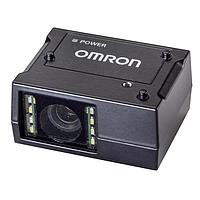
Cameras & Camera Modules
Whether you are building a vision prototype, validating an embedded imaging design, or integrating machine vision into a larger system, choosing the right camera hardware affects image quality, interface compatibility, and overall development time. This category brings together Cameras & Camera Modules used in engineering, testing, and product development, with options suited to embedded systems, industrial imaging, edge AI, and general-purpose prototyping.
Compared with consumer imaging devices, development-focused camera modules are selected for how well they fit into a technical workflow. Engineers often need predictable interfaces, compact form factors, integration with processors or development boards, and support for controlled testing conditions. That makes this category especially relevant for teams working on proof-of-concept platforms, production evaluation, and custom vision-enabled equipment.
Where camera modules fit in development workflows
Camera hardware in engineering environments is rarely used in isolation. It typically sits inside a broader chain that includes image capture, data transfer, processing, storage, and analysis. In embedded projects, a camera module may feed a processor board for object detection, barcode reading, gesture recognition, inspection, or visual monitoring. In lab and product-development settings, it can also support validation, calibration, and algorithm testing.
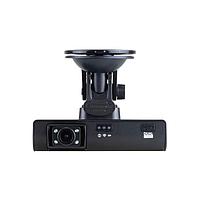
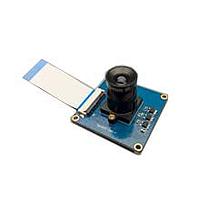
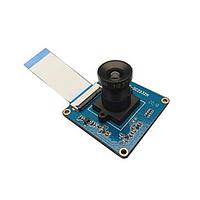
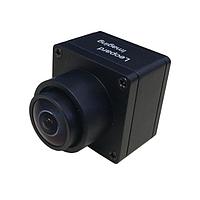
The practical value of this category is its flexibility across different design stages. A compact module may be appropriate for early embedded integration, while a more complete camera unit may help speed up benchtop evaluation. When the imaging setup also depends on optics, readers may want to explore related camera lenses to match field of view, focus range, and application constraints.
Common applications for cameras and camera modules
These products are used across a wide range of technical applications. In industrial and commercial development, cameras can support inspection, presence detection, OCR workflows, robotic guidance, and process observation. In embedded and IoT design, they are frequently integrated into edge devices for local image capture and on-device analytics.
They are also relevant in education, research, and rapid prototyping, where developers need a practical way to test image pipelines before committing to a final hardware architecture. Depending on the project, the same general category may support everything from simple image acquisition to more advanced machine vision and embedded AI evaluation.
How to evaluate the right camera option
Selection usually starts with the imaging objective rather than the module alone. Resolution matters, but it should be balanced with frame rate, lighting conditions, interface requirements, and available processing resources. A high-resolution sensor may produce more detail, yet it can also increase bandwidth demands, memory usage, and downstream compute requirements.
Mechanical and electrical integration are just as important. Teams often compare connector style, board size, mounting constraints, and compatibility with host platforms before narrowing down choices. If the project also depends on fast data handling or local buffering, related memory IC development tools may become part of the broader design and validation workflow.
Another practical point is the intended operating environment. Development for controlled indoor testing has different priorities than imaging in changing light, confined spaces, or industrial environments. The best fit is usually the one that aligns image performance with integration effort, not simply the one with the highest headline specification.
Interfaces, processing, and system integration
Camera modules are often chosen based on how easily they connect to the rest of the system. In embedded platforms, the imaging device must work smoothly with the processor, software stack, and data path used for capture and analysis. This is why developers often assess the camera together with communication, storage, and host-board considerations rather than as a standalone component.
For projects that transmit images or metadata to other devices, networking and data exchange can shape the hardware decision. In those cases, it may be useful to review communication development tools alongside camera hardware to support interface testing, connectivity planning, and prototype bring-up.
In more advanced designs, the camera is part of a complete vision system that includes optics, illumination, compute resources, and software. Looking at the full path from image capture to application output helps reduce integration issues later in the development cycle.
Manufacturers commonly considered in this category
Engineers evaluating camera hardware often compare products from suppliers with broader experience in embedded electronics, sensing, and industrial systems. Within this ecosystem, brands such as Advantech, Adafruit, ams OSRAM, Intel, and Microchip Technology are relevant depending on whether the priority is prototyping, embedded integration, sensing, or system-level development support.
Some manufacturers are more closely associated with maker-friendly and education-oriented workflows, while others are better known in industrial computing, sensing technologies, or semiconductor platforms. The right choice depends on the level of integration required, the target host system, and how the imaging component fits into the wider hardware architecture.
Choosing for prototyping versus product development
Early-stage prototyping usually favors speed and accessibility. Development teams may prioritize modules that are easier to connect, test, and iterate with during software and hardware exploration. This is especially useful when the goal is to verify image quality, prove an algorithm, or evaluate feasibility before finalizing a production design.
Later-stage product development tends to focus more on repeatability, mechanical fit, long-term integration, and system constraints. At that point, engineers often refine decisions around interface stability, optical setup, processor compatibility, and enclosure design. If you are still comparing broader imaging options, the wider camera and camera module range can help narrow solutions by development need and platform type.
What to keep in mind before ordering
A good shortlist usually comes from a few practical questions: What does the camera need to detect or capture? How much image detail is actually necessary? What host hardware will process the data, and under what timing or bandwidth limits? Answering these first often saves time compared with filtering only by sensor resolution or physical size.
It is also worth considering the complete setup around the camera, including optics, cabling, software support, and any companion development tools needed for evaluation. A well-matched combination of camera, interface, and processing hardware is typically more valuable than a stronger standalone component that complicates integration.
For engineering teams working on embedded vision, industrial imaging, or proof-of-concept systems, this category provides a practical starting point for selecting hardware that fits real design constraints. By comparing image needs, integration requirements, and supporting tools together, it becomes easier to identify camera modules that support both rapid development and a smoother path toward deployment.
Get exclusive volume discounts, bulk pricing updates, and new product alerts delivered directly to your inbox.
By subscribing, you agree to our Terms of Service and Privacy Policy.
Direct access to our certified experts