
Sandals
Comfort matters just as much as protection when people spend long hours on factory floors, in warehouses, workshops, or outdoor service areas. In many working environments, open and breathable footwear is preferred for heat management and mobility, but it still needs to match the practical demands of the job. That is where Sandals for professional and industrial use become relevant, especially for roles that require light-duty protection, stable footing, and all-day wearability.
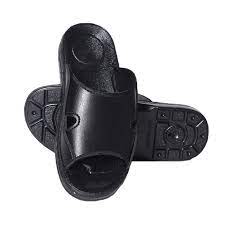
Where work sandals fit in professional environments
Not every task requires heavy safety boots, and not every workplace is suitable for fully enclosed footwear all year round. In warm conditions, indoor utility work, maintenance support, logistics preparation areas, or non-hazardous production zones, sandals can offer a more breathable option while still supporting basic workplace safety expectations.
The right choice depends on the actual exposure level. If the job involves electrical risk, sharp debris, slippery surfaces, or contact with energized equipment, other protective items may be more appropriate, such as insulating gloves and insulating boots for electrical work. Sandals are generally more suitable where airflow, comfort, and ease of movement are priorities, and where the site rules allow this type of footwear.
Key features to consider when selecting sandals
When evaluating work-oriented sandals, buyers typically look beyond appearance and focus on fit, sole construction, and day-to-day durability. A secure fit helps reduce foot movement inside the sandal, which can improve stability during walking, standing, and repetitive movement. Adjustable straps, supportive footbeds, and a sole that maintains grip on common industrial surfaces are often more important than style.
Material choice also affects long-term use. In busy operational settings, sandals may need to handle dust, occasional moisture, repeated cleaning, and continuous wear across shifts. Buyers should review whether the design is intended for light-duty industrial use, general utility work, or workplace comfort in lower-risk zones rather than assuming one footwear type suits every application.
Balancing breathability and workplace safety
The main advantage of sandals is ventilation. Better airflow can improve comfort in hot environments and may help reduce fatigue for workers who spend much of the day walking or standing. This can be valuable in indoor facilities with limited cooling, outdoor service work in warm climates, or support operations where heavy protective footwear would be unnecessarily restrictive.
At the same time, breathability should never override a proper risk assessment. If the floor condition is wet, oily, uneven, or exposed to electrical hazards, a different footwear category may be the better decision. In some cases, sandals are best used in controlled areas only, while higher-risk tasks require additional protective solutions such as insulating carpet or task-specific electrical safety tools depending on the working environment.
Typical users and application scenarios
Sandals in a labor protection range are commonly considered for technicians, facility staff, warehouse support personnel, utility workers, and general site teams operating in relatively low-risk conditions. They may also be used in service areas, internal transport zones, or temporary work setups where workers need footwear that is easy to put on, comfortable over long periods, and less heat-retentive than conventional boots.
For field crews, footwear selection is often only one part of the equipment setup. A worker moving between access points, for example, may combine suitable footwear with task-specific tools such as a hot stick for electrical isolation work or use other protective gear when the site conditions change. This is why sandals should be viewed as part of a broader PPE and work-practice decision, not as a standalone answer for every job.
How to choose sandals for procurement and daily use
For B2B buyers, selection usually starts with the working environment rather than the product itself. Consider floor type, temperature, movement intensity, exposure to water or chemicals, and the company’s PPE policy. A sandal that works well for indoor facility support may not be suitable for outdoor construction access, electrical maintenance, or heavy material handling.
It is also useful to think about cleaning routines, replacement cycles, and user acceptance. Footwear that employees are willing to wear consistently can support better compliance in low-risk areas. In broader workplace safety planning, companies often review sandals alongside other operational essentials, from access tools to emergency supplies such as first aid equipment, ensuring the site is equipped for both routine work and unexpected incidents.
Sandals within a broader labor protection strategy
Work footwear selection should always reflect the real hazard profile of the site. Sandals may be a practical option where comfort, airflow, and mobility are important, but they are only appropriate when the application allows for lighter foot protection. In many organizations, they are used selectively for designated tasks, specific departments, or controlled environments rather than as universal footwear.
That broader view is especially important in industrial and technical workplaces, where employees often move between areas with very different risk levels. A sensible PPE program defines when sandals are acceptable, when closed footwear is required, and what supplementary protection is needed for electrical, mechanical, or environmental hazards.
Final considerations
Choosing the right sandals for professional use is less about casual comfort and more about matching footwear to the actual working conditions. Breathability, stable support, and suitability for low-risk industrial or utility environments are usually the main priorities, but they should always be evaluated against site rules and hazard exposure.
For procurement teams and technical buyers, the most effective approach is to treat sandals as one element within the wider labor protection equipment ecosystem. When selected with clear application criteria, they can contribute to comfort, usability, and practical workplace readiness without compromising safety expectations.
Get exclusive volume discounts, bulk pricing updates, and new product alerts delivered directly to your inbox.
By subscribing, you agree to our Terms of Service and Privacy Policy.
Direct access to our certified experts