LED/Optoelectronics Drivers
Reliable light output starts with the right control stage. In electronic products, industrial indicators, display systems, and lighting assemblies, the driver is the part that determines how LEDs or other optoelectronic elements are powered, regulated, dimmed, and protected over time. Choosing the right solution matters not only for brightness and efficiency, but also for thermal behavior, lifetime, board design, and overall system stability.
LED/Optoelectronics Drivers covers a broad range of driver devices used in display, signaling, illumination, and related optoelectronic applications. This category is relevant for engineers sourcing ICs for compact embedded designs as well as buyers looking for higher-power constant-current solutions for lighting systems and integrated assemblies.
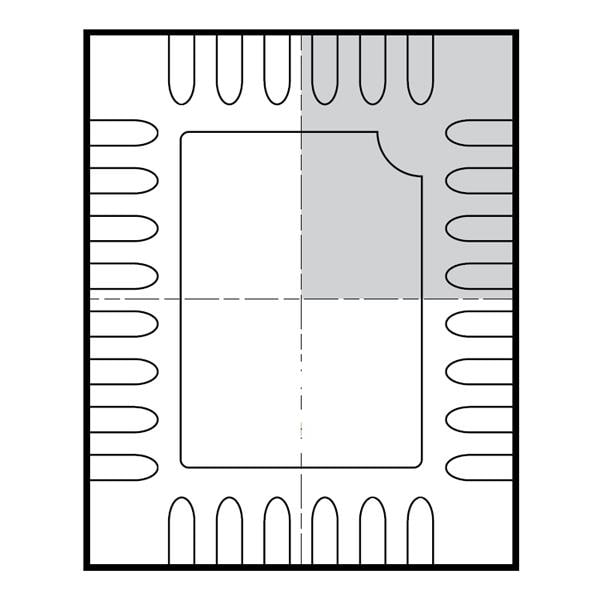
Where these drivers fit in an optoelectronic system
A driver sits between the power source and the light-emitting device, managing the electrical conditions needed for predictable operation. Depending on the application, that can mean regulating constant current, supporting multiple voltage rails, controlling segments or channels, or enabling dimming and protection functions that help maintain safe operation.
Within optoelectronics, the use cases can vary significantly. Some designs focus on LED backlighting, some on segmented displays, and others on general lighting or high-brightness modules. In systems that also rely on backlighting components or complete display devices, the driver selection often has a direct impact on brightness consistency, power budget, and user-visible performance.
Typical product types found in this category
This category includes driver ICs for low- to medium-power electronic designs, multi-segment and multi-channel devices for display-oriented applications, and higher-power driver products for lighting systems. The design requirements are not the same across these groups, so it is useful to evaluate the intended load, required control method, and environmental conditions before narrowing down options.
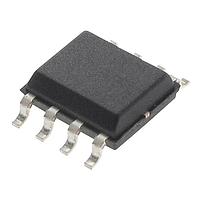
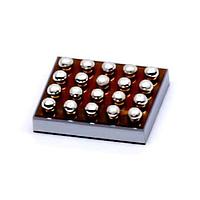
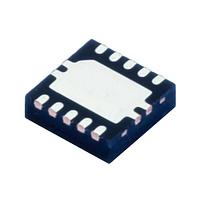
For example, compact ICs such as the Analog Devices LT3640EFE LED Drivers or LT3756IUDPBF LED Drivers are relevant when power regulation and LED control need to be integrated at board level. Segment-focused parts like the Analog Devices AD8240YRM-REEL7 and Alpha and Omega Semiconductor AOZ1935QI can be useful where multiple display or indicator outputs need coordinated driving. At the higher-power end, the Advanced Energy LXD150-1400SH Constant Current illustrates the role of dedicated external LED power drivers in demanding lighting applications.
How to choose the right LED or optoelectronic driver
The first selection step is understanding the electrical behavior of the load. Many LED applications require tightly controlled current rather than simple voltage supply, especially when brightness consistency and device protection are important. A suitable driver should match the number of channels or segments, input voltage conditions, output requirements, and any dimming or control logic used by the host system.
Thermal conditions and protection strategy are also critical. In practical designs, engineers often review efficiency, package format, fault handling, and board space together rather than in isolation. If the product will operate in enclosed equipment, outdoor housings, or continuously powered systems, protection features and thermal margins may be just as important as the nominal electrical rating.
It is also worth considering whether the project is centered on lighting, indication, or display control. A device intended for segmented visual interfaces may not be the best fit for power LED strings, while a high-power constant-current unit may be unnecessary for compact embedded status indicators. Good category-level selection starts with the application architecture, then moves to the driver topology and integration level.
Examples from leading manufacturers
Several well-known suppliers in this category address different parts of the design spectrum. Analog Devices appears prominently in board-level LED driver solutions, including devices such as LT3791EFE1PBF, LT3640EFE, and LT3756IUDPBF, which are typically considered where control performance and flexible power design are important. These products are often evaluated in embedded electronics, industrial boards, and specialized lighting control circuits.
ams OSRAM is relevant when the design is closely tied to optoelectronic integration, with parts such as AS3696-ZQFM, AS3693C-ZTQT, and AS3823-ZQFT serving as examples within the category. Allegro MicroSystems also contributes options like A6275SLWTR and A6276EA for channel or display-oriented driver needs, while Alpha and Omega Semiconductor offers devices such as AOZ1081AI and AOZ1935QI for designs that need practical LED drive control in compact formats.
For higher-power lighting infrastructure, Advanced Energy is a notable name in the category. The LXD150-1400SH Constant Current device is a good example of a dedicated driver intended for more demanding LED power delivery, where isolation, environmental robustness, and protection behavior may be central to the application.
Application areas and design considerations
LED and optoelectronic drivers are used across industrial controls, operator panels, consumer electronics, signage, embedded systems, and architectural or commercial lighting. In some applications, the goal is precise brightness control for user interfaces. In others, the priority is reliable operation of high-output LED loads with predictable current regulation over long service intervals.
System designers should also consider the broader signal and visual chain. For example, projects involving machine vision or instrument interfaces may combine driver circuits with other optoelectronic elements such as camera-related accessories. In communication or sensing environments that use fiber optic components, power and control requirements may differ from standard display or illumination designs, even though they still sit within a broader optoelectronic ecosystem.
Why driver architecture matters for long-term reliability
A well-matched driver does more than turn LEDs on and off. It helps reduce stress on the light source, improves consistency across channels, and supports safer operation under changing input conditions. In many products, the driver has a direct effect on thermal load, visible flicker behavior, dimming smoothness, and maintenance intervals.
This is why buyers and engineers often evaluate the driver as a strategic part of the design rather than a commodity component. Whether the requirement is a compact IC for a small PCB or a more robust power unit for LED lighting, the right choice can simplify integration and reduce redesign risk later in the project.
Finding the right fit for your project
When comparing options in this category, it helps to start with a few practical questions: Is the load a single LED string, a multi-segment display, or a high-power lighting module? Does the design need analog dimming, channel control, or protection against abnormal conditions? Is the driver mounted directly on the main board, or does the application call for a separate power conversion stage?
By answering those questions first, it becomes much easier to narrow the selection to suitable device families and manufacturers. This category brings together a useful range of LED and optoelectronic driver solutions for both integrated electronics and dedicated lighting power designs, making it a strong starting point for sourcing parts that align with real application requirements rather than generic electrical labels alone.
In short, the best driver choice depends on the relationship between the light source, the control method, and the operating environment. Reviewing the available ICs and power driver solutions here can help you identify products that support stable performance, practical integration, and a more reliable end system.
Get exclusive volume discounts, bulk pricing updates, and new product alerts delivered directly to your inbox.
By subscribing, you agree to our Terms of Service and Privacy Policy.
Direct access to our certified experts