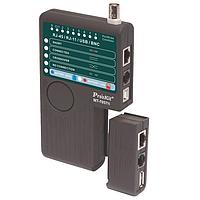
Cable and Socket tester/detector Calibration Service
When cable tracing, socket verification, and fault finding are part of maintenance or commissioning work, measurement confidence matters just as much as the instrument itself. A reliable Cable and Socket tester/detector Calibration Service helps ensure that test results remain consistent, traceable, and suitable for electrical troubleshooting, installation checks, and field diagnostics.
These instruments are often used to locate hidden cables, identify wiring issues, verify socket conditions, or confirm network and connection integrity. Because they support decisions that affect uptime, safety, and repair efficiency, regular calibration is an important step in maintaining dependable performance over time.
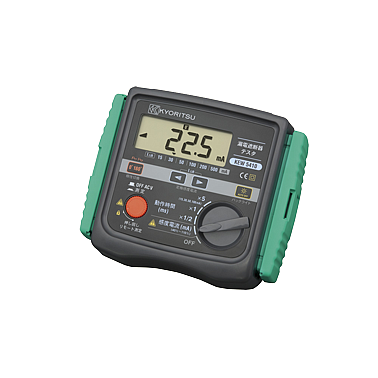
Why calibration is important for cable and socket testing instruments
Testers and detectors in this category are exposed to frequent handling, transport, changing jobsite conditions, and repeated connection cycles. Over time, these factors can influence indication accuracy, response behavior, and overall measurement reliability, especially in tools used for cable identification or outlet testing.
Calibration helps verify whether the instrument still performs within its intended operating range. For maintenance teams, contractors, and industrial users, this supports more dependable diagnostics and reduces the risk of acting on misleading readings when checking hidden cables, sockets, or line conditions.
Typical equipment covered in this category
This service category is relevant to a broad range of field instruments used in electrical and low-voltage testing workflows. That may include cable fault finders, cable and socket testers, cable and socket detectors, LAN cable testers, and tools designed to locate concealed wiring in walls or installations.
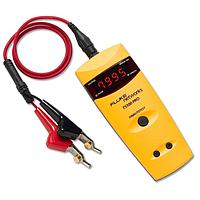
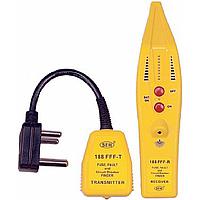
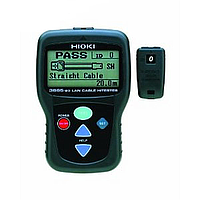
Representative examples in this category include the FLUKE Cable Fault Finder Calibration Services, Hioki LAN Cable HiTester Calibration Services, Sew Cable and Socket Detector Calibration Services, and Chauvin Arnoux Locate Hidden Cables Calibration Services. These examples reflect the practical diversity of instruments used for installation verification, maintenance, and troubleshooting rather than a single test method.
What calibration helps verify
For this type of equipment, calibration is generally focused on confirming that the instrument responds correctly to known reference conditions and continues to provide dependable indications. Depending on the tester or detector design, that may relate to signal detection behavior, indication consistency, continuity-related functions, socket test response, or cable identification performance.
The goal is not only to check whether the unit powers on, but to assess its measurement reliability in actual service use. This is especially important when technicians rely on the instrument to distinguish between normal conditions and faults that may require corrective action.
Suitable applications and users
Calibration services in this category are relevant to electrical contractors, maintenance departments, facility teams, panel builders, service companies, and inspection workflows that rely on handheld electrical test instruments. In day-to-day work, cable and socket testing devices are often used alongside other core instruments such as multimeter calibration services and clamp meter verification to support broader troubleshooting tasks.
They are also useful in environments where hidden cable routing, outlet condition checks, or communication cable testing must be performed repeatedly and documented with confidence. In these cases, regular calibration contributes to better repeatability across technicians, projects, and maintenance intervals.
Brands and instrument examples in this service range
This category includes calibration support for instruments associated with well-known test and measurement manufacturers such as HIOKI, Chauvin Arnoux, EXTECH, Proskit, SEW, and FLUKE. Different brands may focus on different field tasks, from cable tracing and socket verification to LAN cable testing or fault location, so calibration needs should be considered in the context of actual application.
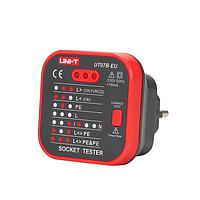
Examples listed in this category include Proskit Cable Tester Calibration Services, Extech Cable and Socket Tester Calibration Services, and Sew Cable and Socket Detector Calibration Services. Referring to specific instruments can help buyers and maintenance planners quickly identify the most relevant service path for the devices already used in their operations.
How to choose the right calibration service
Selection should start with the instrument type and the job it performs in the field. A LAN cable tester, for example, serves a different purpose from a hidden cable locator or a cable fault finder, so the calibration scope should match the function that matters most in operation.
It is also useful to consider service planning across the wider electrical test toolkit. If your team manages several portable instruments, combining this category with related services such as multifunction electrical installations meter calibration can support a more organized maintenance schedule and reduce disruption to field work.
When recalibration should be considered
Calibration is commonly reviewed at regular intervals, but there are also practical situations where earlier service may be appropriate. These include heavy use, transport between sites, exposure to harsh environments, inconsistent readings, accidental impact, or any sign that the tester no longer behaves as expected.
For instruments used in inspection routines or maintenance programs, recalibration supports traceability and helps maintain confidence in recorded results. This is particularly valuable when test outcomes influence repair decisions, acceptance checks, or ongoing electrical safety practices.
Supporting a dependable electrical testing workflow
Cable and socket testers and detectors rarely work in isolation. In many real maintenance scenarios, they complement phase checks, current measurements, and general electrical troubleshooting. For that reason, some users also review adjacent services such as phase indicator calibration service to keep the full diagnostic toolset aligned.
Choosing a suitable calibration service for these instruments helps protect the value of the equipment and supports more confident decisions in the field. If your work depends on accurate cable tracing, socket testing, or fault detection, keeping these devices properly calibrated is a practical step toward more consistent and reliable results.
Get exclusive volume discounts, bulk pricing updates, and new product alerts delivered directly to your inbox.
By subscribing, you agree to our Terms of Service and Privacy Policy.
Direct access to our certified experts