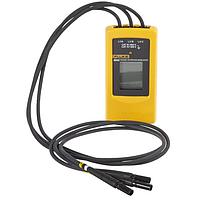
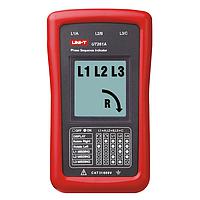
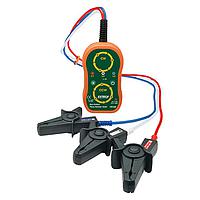
Phase Indicator Calibration Service
Reliable phase sequence verification is a small step in electrical work, but it has a direct impact on motor rotation, panel commissioning, maintenance quality, and operator safety. When a phase indicator is used to confirm phase order and phase presence, its condition and measurement accuracy matter. A professional Phase Indicator Calibration Service helps ensure the instrument continues to perform as expected in practical field and workshop use.
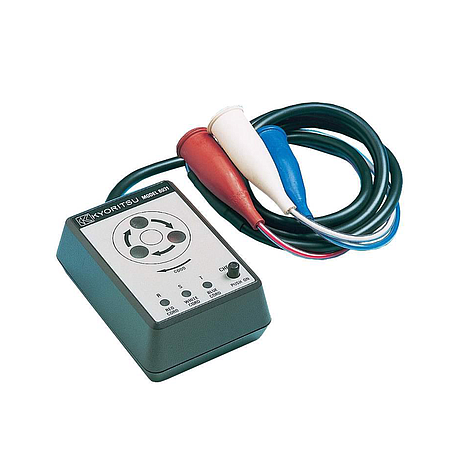
This category is intended for users who need calibration support for phase indicators used in industrial maintenance, facility management, utilities, and electrical installation work. It is especially relevant when instruments are part of periodic quality systems, preventive maintenance programs, or traceable inspection workflows alongside services such as multimeter calibration and clamp meter calibration.
Why phase indicator calibration matters
A phase indicator is commonly used to verify phase rotation and identify whether a three-phase supply is connected in the correct order. In commissioning and maintenance tasks, an incorrect indication can lead to reversed motor direction, troubleshooting delays, or unnecessary rework. Calibration helps confirm that the instrument is responding correctly when used for these checks.
For organizations that document inspection quality, calibration also supports consistency across teams and sites. It provides a clearer basis for determining whether a device remains suitable for service, particularly when instruments are exposed to regular transport, field conditions, and repeated connection cycles.
What is typically covered in the service
A phase indicator calibration service generally focuses on verifying the instrument’s functional response under controlled conditions. Depending on the device type and service workflow, this may include inspection of operating status, confirmation of indication behavior, and evaluation of whether the tool remains fit for intended use.
Beyond the measurement aspect, calibration often plays an important role in asset control. Many businesses manage phase indicators together with other electrical test tools, so keeping calibration records aligned across equipment groups can simplify maintenance planning and audit preparation. Where broader electrical testing fleets are involved, users may also review related services such as multifunction electrical installations meter calibration.
Typical applications for calibrated phase indicators
Phase indicators are widely used anywhere three-phase systems are installed, maintained, or inspected. Common applications include checking supply sequence before connecting motors, confirming wiring conditions during panel assembly, and supporting preventive maintenance in industrial plants and commercial facilities.
They are also relevant in service environments where technicians work across multiple sites and need dependable verification tools as part of standard electrical safety and commissioning routines. In these cases, calibration contributes to confidence in the instrument rather than relying only on visual condition or informal functional checks.
Supported brands and service examples
This category includes calibration service options for well-known instrument brands used in electrical measurement and maintenance. Examples in this range include the FLUKE Phase Indicator Calibration Service, HIOKI Phase Indicator Calibration Service, EXTECH Phase Indicator Calibration Service, KYORITSU Phase Indicator Calibration Service, PCE Phase Indicator Calibration Service, and SANWA Phase Indicator Calibration Service.
These examples help users identify service availability by brand without turning the page into a long product list. If your equipment fleet includes tools from FLUKE, HIOKI, EXTECH, KYORITSU, PCE, or SANWA, this category provides a practical starting point for organizing calibration by manufacturer and instrument type.
How to choose the right service option
When selecting a service, start with the exact instrument type and brand to make sure the calibration request matches the device in use. This is especially helpful for teams managing multiple electrical testers, where similar tools may serve different functions and require separate calibration workflows.
It is also useful to consider how the instrument is used in your process. A phase indicator used occasionally for basic verification may be managed differently from one that is part of routine commissioning or controlled maintenance documentation. Matching the service to the operational role of the instrument helps improve both traceability and equipment availability.
Calibration within a broader electrical test equipment program
Many organizations do not calibrate phase indicators in isolation. They are often part of a wider pool of handheld electrical test instruments that may include multimeters, clamp meters, insulation testers, and installation testers. Managing these assets together can reduce administrative effort and make calibration intervals easier to track.
For users maintaining a structured program, it can be useful to review adjacent service categories when planning periodic calibration cycles. In some specialist environments, related verification needs may also extend to tools covered under magnetic field meter calibration services, depending on the application and maintenance scope.
Who this category is for
This service category is suitable for maintenance departments, electrical contractors, industrial plants, facility service teams, laboratories, and calibration coordinators responsible for handheld electrical instruments. It is particularly relevant where documented equipment status supports internal procedures, quality systems, or service readiness.
Whether you manage a few field instruments or a larger fleet across several brands, having a dedicated page for phase indicator calibration makes it easier to identify the correct service path and keep instrument maintenance organized.
Final considerations
Choosing the right calibration support for a phase indicator is less about checking a box and more about maintaining confidence in a tool used for important electrical verification tasks. A well-managed calibration process helps reduce uncertainty, supports consistent field practice, and keeps essential test equipment aligned with operational requirements.
If you are reviewing service options for FLUKE, HIOKI, EXTECH, KYORITSU, PCE, or SANWA instruments, this category offers a focused route to find the appropriate calibration service and integrate it into your broader electrical test equipment maintenance plan.
Get exclusive volume discounts, bulk pricing updates, and new product alerts delivered directly to your inbox.
By subscribing, you agree to our Terms of Service and Privacy Policy.
Direct access to our certified experts