
High Voltage Amplifier Calibration Service
Accuracy at elevated voltage levels is critical in laboratories, power electronics testing, insulation verification, and signal conditioning environments. When a high-voltage amplifier drifts out of tolerance, the impact can extend beyond measurement error to failed validation, inconsistent test results, and reduced confidence in downstream processes. A dedicated High Voltage Amplifier Calibration Service helps maintain traceable performance and supports more reliable electrical testing workflows.
This category is intended for organizations that use high-voltage amplification in measurement, simulation, or test setups and need a practical way to verify performance over time. Whether the amplifier is part of an R&D bench, a production quality process, or a service lab, calibration plays an important role in maintaining repeatability and documented confidence in results.
Why calibration matters for high-voltage amplifiers
A high-voltage amplifier is often used where small input signals must be reproduced at much higher output levels with stable gain and predictable behavior. In this context, even modest deviation can affect waveform fidelity, output accuracy, and the validity of connected measurements. Regular calibration helps confirm that the amplifier continues to operate within expected performance limits.
For B2B users, calibration is not only about technical accuracy. It also supports quality assurance, internal maintenance planning, and documented compliance within broader test and inspection procedures. This is especially relevant when the amplifier is part of a controlled process, acceptance test routine, or verification system linked to other calibrated electrical instruments.
What is typically assessed during the service
A professional calibration workflow generally focuses on the key operating characteristics that influence real-world performance. Depending on the amplifier type and its role in the application, this may include checks related to amplification behavior, output response, stability, and consistency across the intended operating range. The goal is to establish whether the device continues to perform in a way that supports dependable test results.
Because high-voltage amplifiers are often integrated into larger measurement chains, calibration is also valuable for identifying mismatch or drift between connected instruments. In many test environments, amplifier verification works best when it is considered alongside the accuracy of supporting devices such as multimeter calibration services used to validate reference values or monitor related electrical parameters.
Suitable applications and user environments
This service is relevant across a wide range of technical settings where amplified high-voltage signals must remain controlled and repeatable. Typical users include electronics laboratories, industrial test departments, calibration and service providers, educational research facilities, and teams working with insulation testing, component characterization, or high-voltage signal generation.
In some applications, the amplifier is part of a broader electrical safety or installation verification workflow. In others, it supports development work where output precision directly influences analysis quality. If your process depends on multiple electrical instruments working together, it can also be useful to review related services such as clamp meter calibration or multifunction electrical installations meter calibration where those instruments are part of the same maintenance program.
Example service option in this category
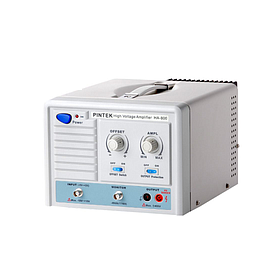
A representative offering in this category is the PINTEK High Voltage Amplifier Calibration Service. This service is relevant for users operating equipment from PINTEK and looking for calibration support aligned with the role of high-voltage amplification in precision test setups.
When selecting a service option, it is helpful to look beyond the product name and consider how the amplifier is used in your actual process. The most useful calibration outcome is one that supports your application context, service records, and confidence in the measured or generated electrical output.
How to choose the right calibration scope
The right calibration scope depends on more than the instrument category alone. Buyers should consider the amplifier’s operating range, how frequently it is used, the criticality of the test process, and whether the device is part of a traceable measurement chain. Equipment used in routine validation or high-consequence testing may require more disciplined calibration intervals than equipment used occasionally for non-critical tasks.
It is also important to account for the surrounding instrument ecosystem. If the amplifier interacts with phase-checking or field-related measurement tools, calibration planning may need to include those instruments as well. In such cases, related categories like phase indicator calibration service can help support a more complete maintenance and verification strategy.
Benefits for maintenance, documentation, and audit readiness
For many organizations, calibration creates value well beyond a single device check. It contributes to structured maintenance records, better equipment lifecycle management, and clearer evidence for internal audits or customer quality requirements. A calibrated high-voltage amplifier is easier to place confidently back into service, especially when the device is used in recurring test procedures.
From a purchasing and asset management perspective, calibration also helps reduce uncertainty. Instead of replacing equipment prematurely or relying on assumptions about performance, teams can make better-informed decisions based on documented instrument condition. This is particularly useful in B2B environments where uptime, consistency, and accountability all matter.
When to consider recalibration
Recalibration should be considered whenever there is reason to question the amplifier’s current performance. Common triggers include routine periodic maintenance, unusual measurement results, changes in application demands, transport between sites, or return to service after repair or storage. Even when no obvious fault is visible, performance drift can develop gradually over time.
If your organization manages several categories of electrical test equipment, aligning calibration intervals across related instruments can simplify planning and reduce administrative overhead. A coordinated service approach often improves equipment availability while supporting a more reliable testing environment overall.
Choosing the right high-voltage amplifier calibration service helps protect measurement confidence where output accuracy and repeatability matter. This category is designed for technical buyers and engineering teams that need a clear route to maintaining amplifier performance, supporting documentation, and keeping critical electrical test systems under control.
Get exclusive volume discounts, bulk pricing updates, and new product alerts delivered directly to your inbox.
By subscribing, you agree to our Terms of Service and Privacy Policy.
Direct access to our certified experts
