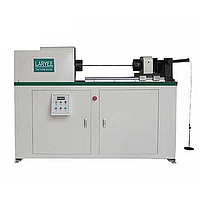
Metal Wire Torsion Testing Calibration Service
Consistent torsion test results are essential when wire quality affects downstream forming, fastening, spring production, or material qualification. Even a small measurement error in a torsion tester can influence acceptance decisions, comparison between lots, and long-term process control. A reliable Metal Wire Torsion Testing Calibration Service helps maintain confidence in test data and supports more stable mechanical evaluation workflows.
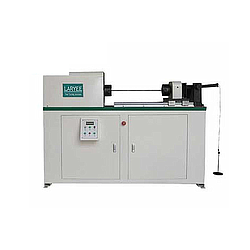
Why calibration matters for wire torsion testing
Metal wire torsion testing is used to evaluate how a wire specimen behaves under rotational stress. In practical terms, this type of test helps assess ductility, twist resistance, and repeatability in materials that may later be used in demanding industrial applications. If the test system is not calibrated correctly, the number of twists, applied loading conditions, or rotational behavior recorded by the instrument may no longer reflect actual performance.
Calibration is therefore not only a maintenance task, but part of a broader measurement reliability strategy. It helps users reduce uncertainty, improve traceability, and align results across production sites, laboratories, and incoming inspection processes.
Scope of a metal wire torsion testing calibration service
This service category is intended for calibration work on torsion testing equipment used specifically for metal wire evaluation. The focus is on verifying whether the instrument performs within appropriate measurement conditions for its intended use, so that test outputs remain dependable over time.
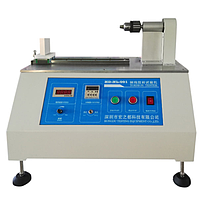
Depending on the equipment model and service workflow, calibration may involve checking core functional behavior, mechanical response, and the consistency of the test system under defined operating conditions. For users working with representative systems such as the KMT Metal Wire Torsion Tester Calibration Service or the Yasuda Metal Wire Torsion Tester Calibration Service, the purpose remains the same: to ensure the tester can continue to support repeatable and trustworthy material evaluation.
Typical users and application environments
This category is relevant for manufacturers, test laboratories, quality assurance teams, and technical service groups that rely on mechanical testing equipment in routine operation. Wire producers, component manufacturers, and organizations handling incoming material validation often need dependable torsion data to support quality control and product consistency.
Calibration is also important where testing equipment is part of a broader inspection or compliance workflow. In such environments, reliable instrument performance helps reduce disputes over test results and makes it easier to compare data over time, especially when multiple instruments or test methods are used in parallel.
How to choose the right service option
When selecting a service for a torsion tester, it is useful to consider the instrument brand, service history, frequency of use, and the criticality of the data it produces. Equipment used intensively in production support or formal laboratory reporting generally benefits from a clearly scheduled calibration interval and well-documented service records.
Brand compatibility can also matter in day-to-day support planning. If your facility uses equipment from KMT or Yasuda, choosing a service path aligned with the installed tester type can simplify asset management and help keep calibration planning organized across similar instruments.
Calibration in the wider testing equipment ecosystem
Metal wire torsion testing is one part of a larger mechanical and physical testing environment. Many facilities manage several instrument types at the same time, each contributing different performance data for materials, components, or packaging systems. A structured calibration program helps connect these systems into a more controlled and auditable workflow.
For example, organizations may also maintain services for related testing assets such as abrasion tester calibration or furnace calibration. Looking at calibration as a system rather than a single event often improves equipment uptime, scheduling efficiency, and overall data quality.
Benefits of regular calibration
A well-timed calibration service can support more than basic instrument verification. It helps users detect drift before it affects testing decisions, maintain more consistent internal standards, and reduce the risk of questionable results during audits, customer reviews, or internal investigations.
Regular calibration also supports better lifecycle management of test equipment. Instead of reacting only after a failure or suspicious result appears, companies can use planned service intervals to maintain continuity in testing operations and preserve confidence in historical data trends.
When to consider recalibration
Recalibration should be considered whenever a torsion tester has been used heavily, relocated, repaired, or exposed to conditions that may affect its mechanical behavior. It is also a sensible step when test results begin to show unusual variation or when the instrument is returning to service after a long period of inactivity.
In many B2B environments, recalibration timing is guided by internal quality procedures, customer requirements, or the role of the equipment in product validation. For critical applications, shorter service intervals may be justified to maintain a stronger level of traceable test performance.
Supporting dependable wire testing results
Choosing the right service for torsion testing equipment is ultimately about protecting the quality of the decisions built on test data. Whether the instrument is used for routine production checks or more formal material evaluation, calibration helps keep results consistent, comparable, and easier to trust.
If your operation depends on accurate wire torsion measurements, this category provides a focused starting point for maintaining tester performance across supported equipment types. A structured approach to calibration can make day-to-day testing more dependable and help your team manage mechanical testing assets with greater confidence.
Get exclusive volume discounts, bulk pricing updates, and new product alerts delivered directly to your inbox.
By subscribing, you agree to our Terms of Service and Privacy Policy.
Direct access to our certified experts