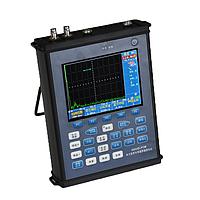
Ultrasonic Flaw Detector Calibration Service
Reliable inspection results depend not only on the flaw detector itself, but also on how accurately it has been calibrated over time. In ultrasonic testing, even small measurement drift can affect flaw sizing, depth evaluation, and overall confidence in the inspection process. That is why Ultrasonic Flaw Detector Calibration Service is an important part of quality control for manufacturers, maintenance teams, testing laboratories, and NDT service providers.
This service category is intended for organizations that use ultrasonic flaw detectors in routine inspection work and need traceable, repeatable instrument performance. Whether the equipment is used for weld inspection, material evaluation, incoming quality checks, or in-service asset assessment, proper calibration helps maintain dependable readings and supports more consistent decision-making in the field.
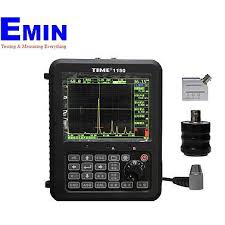
Why calibration matters in ultrasonic flaw detection
Ultrasonic flaw detectors are used to detect internal discontinuities, evaluate reflector response, and assess the position of indications within a test piece. Because these instruments are relied on for technical judgments, calibration accuracy directly affects inspection reliability. A calibrated unit helps ensure that time base response, amplitude behavior, and general measurement performance remain aligned with expected operating conditions.
In practical terms, regular calibration helps reduce uncertainty when comparing results across different jobs, operators, or inspection intervals. It is also relevant for companies working under internal quality systems or customer-driven inspection procedures where documented instrument verification is expected. For teams managing several types of NDT equipment, this service fits naturally alongside broader non-destructive tester calibration services.
Typical use cases for this service
Calibration is commonly required in industries where ultrasonic testing supports safety, compliance, or product integrity. This includes fabrication, metal processing, maintenance operations, and technical inspection environments where flaw detection data is used to evaluate components before delivery or during service life.
Organizations may send instruments for calibration as part of scheduled maintenance, before major projects, after intensive field use, or when there is concern about inconsistent readings. It can also be useful after transport, storage, repair, or whenever the instrument has been exposed to demanding conditions that may affect performance.
Supported brands and example service coverage
This category includes calibration support for a range of commonly used ultrasonic flaw detector brands. Examples from this page include services for Krautkramer, ELCOMETER, PCE, PROCEQ, SONOTEC, Dakota, NOVOTEST, OKO, STARMANS, and T-measurement instruments. The purpose of listing these names is not to suggest identical workflows for every unit, but to indicate the breadth of brand coverage available within the category.
Representative offerings include Dakota Ultrasonic Flaw Detector Calibration Service, PROCEQ Ultrasonic Flaw Detector Calibration Service, ELCOMETER Ultrasonic Flaw Detector Calibration Service, Krautkramer Ultrasonic Flaw Detector Calibration Service, and NOVOTEST Ultrasonic Flaw Detector Calibration Service. These examples help buyers identify service availability by installed equipment base, especially when managing mixed-brand fleets across multiple inspection teams.
What buyers usually look for when selecting a calibration service
For B2B users, choosing a calibration provider is often less about marketing claims and more about process suitability. Buyers usually want a service that matches the instrument type, supports routine maintenance planning, and fits internal documentation requirements. A clear service scope and practical brand familiarity can be more important than simply choosing by price.
It is also useful to consider how calibration fits into the broader inspection workflow. If your team works with multiple NDT technologies, coordinating service intervals across instruments can reduce downtime and simplify asset management. In some cases, companies also review related services such as handheld X-ray fluorescence spectrometer calibration when planning maintenance for portable inspection equipment.
How calibration supports inspection consistency
A flaw detector that performs consistently is easier to trust in day-to-day operations. Calibration helps maintain confidence that the instrument response remains stable enough for repeat inspections, comparative testing, and procedure-based evaluations. This is especially important where inspection outcomes influence release decisions, maintenance actions, or quality records.
From an operational perspective, inspection consistency also matters when multiple technicians use the same instrument model or when several devices are deployed across sites. Calibration supports more uniform instrument behavior, which can help reduce variation caused by equipment condition rather than actual material differences.
Examples of service options in this category
Depending on the installed base of equipment, buyers may look for service availability by brand first. On this page, that can include options such as PCE Ultrasonic Flaw Detector Calibration Service, SONOTEC Ultrasonic Flaw Detector Calibration Service, OKO Ultrasonic Flaw Detector Calibration Service, and STARMANS Ultrasonic Flaw Detector Calibration Service. For users of established NDT brands, service access by manufacturer can simplify procurement and asset tracking.
If you are comparing suppliers or organizing maintenance schedules, it may also help to review brand pages for instrument context. For example, users working with PROCEQ or Dakota equipment can use those manufacturer pages to explore related products and better align calibration planning with the equipment already in operation.
When to review your calibration schedule
There is no single schedule that fits every ultrasonic testing program. Calibration frequency is usually influenced by usage intensity, operating environment, internal quality procedures, and the criticality of the inspection task. Instruments used frequently in field conditions may require closer attention than units used only occasionally in controlled environments.
It is generally sensible to review calibration status before important inspections, audits, or project mobilization. Teams that depend on portable NDT instruments for regular site work often benefit from a structured service schedule rather than waiting for performance concerns to appear. A more proactive approach can help reduce disruption and maintain better continuity in inspection operations.
Choosing the right service path for your equipment
When selecting from this category, the most useful starting point is usually the instrument brand and the role the device plays in your inspection process. If ultrasonic flaw detection is central to your workflow, calibration should be treated as part of equipment lifecycle management rather than as an occasional administrative task. That approach supports better reliability, clearer documentation, and more predictable inspection readiness.
Whether you are maintaining a single unit or managing multiple devices from brands such as Krautkramer, ELCOMETER, PROCEQ, Dakota, or NOVOTEST, this category helps you identify suitable calibration service options for ultrasonic flaw detectors. A well-planned service routine helps keep your NDT equipment ready for dependable use, especially where inspection quality and repeatability matter most.
Get exclusive volume discounts, bulk pricing updates, and new product alerts delivered directly to your inbox.
By subscribing, you agree to our Terms of Service and Privacy Policy.
Direct access to our certified experts