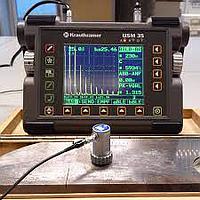
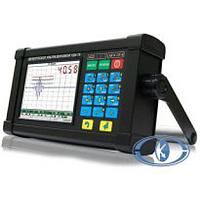
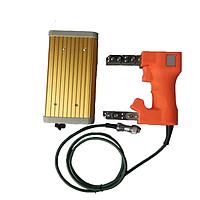
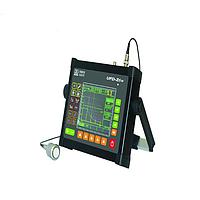
Non-Destructive tester Calibration Service
Reliable inspection data depends not only on the capability of the instrument, but also on how well that instrument is maintained and verified over time. In non-destructive testing environments, calibration plays a central role in keeping measurement results consistent, traceable, and usable for quality control, maintenance, and field inspection workflows.
Non-Destructive tester Calibration Service supports organizations that rely on NDT instruments to detect flaws, assess material condition, and reduce the risk of incorrect inspection decisions. Whether the equipment is used in manufacturing, maintenance, fabrication, or incoming quality checks, routine calibration helps confirm that the device is operating within expected performance parameters.
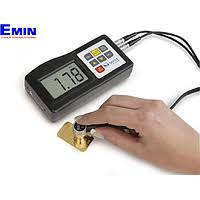
Why calibration matters for NDT equipment
Non-destructive testers are often used in applications where decision accuracy is critical. A small deviation in response, signal interpretation, or measurement reference can affect defect evaluation, material acceptance, and inspection repeatability. Regular calibration helps reduce uncertainty and gives users greater confidence in the condition of their instruments.
For B2B users, calibration is also important for documentation, internal quality systems, and alignment with plant or project inspection procedures. In practice, a well-managed calibration schedule supports more stable inspection results, fewer disputes over measurement validity, and better equipment lifecycle control.
Scope of this calibration service category
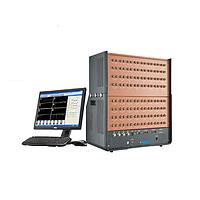
This category focuses on calibration support for instruments used in non-destructive testing. It is relevant for companies that use portable or bench inspection devices as part of production control, field service, asset integrity programs, or laboratory verification work.
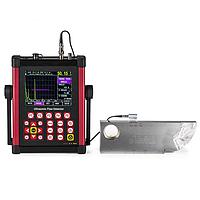
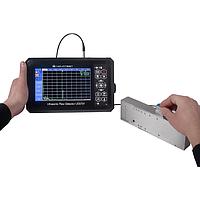
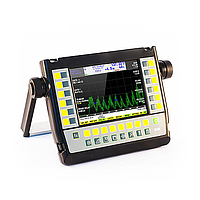
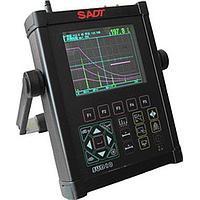
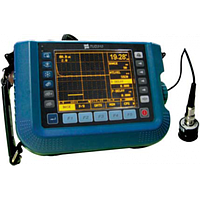
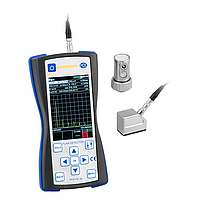
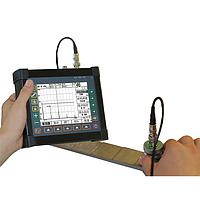
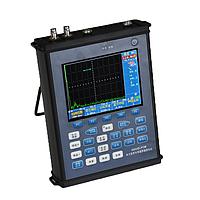
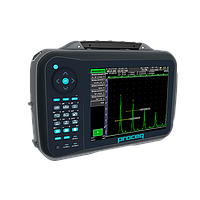
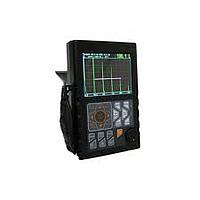
A common example in this category is ultrasonic flaw detector calibration service, where instrument performance must remain aligned with known references for dependable flaw detection and thickness-related evaluation tasks. For teams working with a broader mix of equipment, this category provides a useful starting point for organizing service requirements by inspection method.
Typical instruments covered in NDT calibration workflows
Within this category, ultrasonic flaw detector calibration is one of the most visible service needs. These instruments are widely used to locate internal discontinuities, evaluate weld quality, and support preventive inspection programs across metal fabrication, pressure systems, and structural components.
Examples listed in this category include services for instruments from Krautkramer, ELCOMETER, PROCEQ, Dakota, PCE, SONOTEC, NOVOTEST, OKO, STARMANS, and T-measurement. Representative service entries such as Krautkramer Ultrasonic Flaw Detector Calibration Service, ELCOMETER Ultrasonic Flaw Detector Calibration Service, and Dakota Ultrasonic Flaw Detector Calibration Service show the range of brand-specific support that may be required in industrial inspection environments.
Where handheld material analysis devices are also part of the inspection process, organizations may pair this service area with handheld X-ray fluorescence spectrometer calibration to maintain consistency across complementary NDT and PMI workflows.
How to choose the right calibration service
Selecting the right service starts with the actual instrument type, inspection method, and the way the device is used in the field. A unit used daily in demanding environments may need more frequent verification than equipment used occasionally in a controlled lab or workshop setting. Service planning should also consider internal QA requirements, audit expectations, and any documented inspection procedures already in place.
It is also useful to match calibration support to the instrument manufacturer and model family when available. For example, service needs may be organized around brands such as PROCEQ, PCE, SONOTEC, or NOVOTEST, especially when a facility standardizes around a smaller number of platforms. This can simplify records management and help maintenance teams keep calibration intervals visible across multiple devices.
Benefits for maintenance, production, and quality teams
A structured calibration program helps more than just the metrology function. Maintenance teams benefit from dependable diagnostic tools, quality departments gain stronger confidence in inspection records, and production teams reduce the chance of delays caused by questionable test results or instrument performance concerns.
For companies operating mixed fleets of measurement equipment, calibration planning often extends beyond NDT devices alone. Related services such as electrical and electronic meter calibration or mechanical measuring instruments calibration may be relevant when inspection, maintenance, and QA teams manage several tool categories under one quality system.
Common use cases across industrial sectors
NDT calibration services are relevant in many sectors where material condition and structural integrity need to be checked without damaging the part. Typical use cases include weld inspection, fabricated component verification, maintenance of industrial assets, incoming inspection of critical parts, and periodic checks on tools used in field service operations.
Because these instruments often support pass/fail decisions, trend analysis, or acceptance testing, calibration contributes directly to inspection reliability. It is especially valuable in environments where multiple technicians use the same equipment or where results must be documented and compared over time.
Supporting better equipment management
Calibration is most effective when it is treated as part of a broader equipment management process rather than as a one-time administrative task. That means keeping service intervals visible, tracking instruments by brand or application, and aligning calibration activity with actual usage patterns.
For businesses using devices from brands such as Krautkramer, ELCOMETER, PROCEQ, Dakota, or SONOTEC, organized service records can make it easier to maintain continuity across projects and inspection teams. This is particularly useful when equipment is shared between departments, moved between sites, or assigned to different inspection routines throughout the year.
Conclusion
When inspection decisions depend on trustworthy readings, calibration becomes a practical requirement rather than a formality. This category brings together services related to NDT instrument calibration, with a strong focus on ultrasonic flaw detector applications and adjacent non-destructive testing needs.
If your team is reviewing service options for existing equipment, start by matching the calibration requirement to the instrument type, brand, and inspection workflow involved. A clear calibration plan helps protect measurement confidence, supports quality documentation, and keeps non-destructive testing equipment ready for day-to-day industrial use.
Get exclusive volume discounts, bulk pricing updates, and new product alerts delivered directly to your inbox.
By subscribing, you agree to our Terms of Service and Privacy Policy.
Direct access to our certified experts