Handheld X-ray Fluorescence Spectrometer Calibration Service
Reliable elemental analysis depends on more than the instrument itself. In field inspection, scrap sorting, PMI work, and incoming material verification, a handheld XRF unit must deliver readings that remain consistent over time. That is why Handheld X-ray Fluorescence Spectrometer Calibration Service is an important part of maintaining measurement confidence, traceability, and day-to-day usability in industrial environments.
For companies that use portable analyzers in demanding conditions, calibration helps reduce uncertainty caused by drift, frequent transport, changing operating conditions, and normal component aging. A well-managed service program supports both technical performance and smoother quality control processes.
Why calibration matters for handheld XRF analyzers
Handheld XRF instruments are widely used because they provide fast, non-destructive elemental screening without complex sample preparation. In practical use, however, measurement reliability can be affected by detector behavior, source stability, software interpretation, environmental conditions, and repeated field handling. Calibration is therefore essential to keep the analyzer aligned with expected performance.
In many applications, the goal is not simply to obtain a number on screen. The result must be dependable enough to support sorting decisions, alloy verification, or inspection records. A structured calibration service helps verify that the instrument continues to perform within an appropriate operating range for its intended task.
Typical situations where recalibration becomes necessary
Calibration is commonly considered when measurement results begin to vary from historical trends, when the device has been used heavily in mobile work, or after maintenance and repair. It is also relevant for organizations following periodic quality routines, especially where handheld XRF results influence acceptance or rejection decisions.
Users may also schedule calibration as part of a broader instrument care cycle that includes inspection, functional checks, and documentation review. If your operation also depends on other NDT equipment, it can be helpful to align service intervals with related categories such as ultrasonic flaw detector calibration service to simplify maintenance planning across multiple tools.
What this service supports in a quality workflow
A handheld XRF calibration program is typically used to support repeatability, improve confidence in measured elemental results, and maintain consistency between instruments or across inspection periods. In production and inspection workflows, this is especially valuable when several operators use the same device or when readings must be compared over time.
From a quality perspective, calibration also supports better decision-making. Whether the analyzer is used for positive material identification, scrap segregation, or incoming goods verification, the service helps ensure that the instrument remains a reliable part of the inspection process rather than a source of uncertainty.
Brand coverage and example service scope
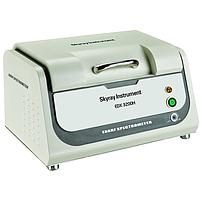
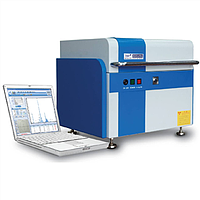
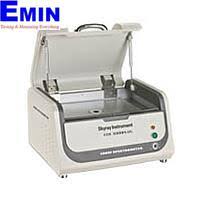
This category includes service coverage for selected handheld XRF platforms from manufacturers such as Skyray Instrument and ISP. These brands are commonly associated with portable elemental analysis workflows where regular verification and calibration are important for stable performance.
Representative entries in this category include the ISP Handheld X-ray Fluorescence Spectrometer Calibration Service and the Skyray Instrument Handheld X-ray Fluorescence Spectrometer Calibration Service. These examples illustrate the focus of the category: support for portable XRF equipment used in industrial inspection and material analysis rather than unrelated laboratory systems.
How to evaluate the right calibration service
When selecting a service option, it helps to start with the instrument’s actual use case. A unit used for rapid sorting in the yard may face different stresses than one used mainly for controlled indoor PMI checks. Service planning should therefore reflect operating frequency, handling conditions, and how critical the measurement result is to downstream decisions.
It is also useful to consider documentation needs, service intervals, and whether calibration is being arranged as a preventive measure or in response to suspected performance changes. If you are specifically reviewing available options in this area, you can also browse the broader handheld XRF calibration service range to compare relevant service listings.
Benefits for industrial users and service teams
For procurement teams, maintenance planners, and quality departments, a dedicated calibration service helps create a more controlled equipment lifecycle. Instead of waiting for questionable readings to disrupt operations, scheduled calibration makes performance verification more predictable and easier to document.
For technicians and inspectors in the field, the main value is practical: greater trust in the instrument during routine testing. This can reduce repeated checks, limit disputes over unexpected results, and support more efficient inspection workflows when fast material decisions are required.
When calibration should be part of a wider instrument care strategy
Calibration works best when it is treated as one part of a broader equipment management approach. Regular handling checks, proper storage, battery and accessory care, and post-service verification all contribute to maintaining stable handheld XRF performance. In many organizations, this is especially important because portable analyzers move frequently between teams, sites, and applications.
A consistent strategy is also useful when a company operates several types of non-destructive testing instruments. Aligning service planning across equipment categories can improve uptime, reduce administrative gaps, and make it easier to maintain a clear service history for compliance and internal quality review.
Choose service support based on application needs
The right calibration arrangement depends on how your handheld XRF analyzer is used, how often it is deployed, and how critical the measurement outcome is in your process. Rather than viewing calibration as a routine formality, it is more effective to treat it as a way to protect measurement reliability and preserve the value of the instrument in real working conditions.
For organizations using portable elemental analysis equipment from brands such as Skyray Instrument or ISP, this category provides a focused starting point for identifying suitable handheld XRF service options. A well-timed spectrometer calibration plan can help maintain dependable performance and support better inspection decisions over the long term.
Get exclusive volume discounts, bulk pricing updates, and new product alerts delivered directly to your inbox.
By subscribing, you agree to our Terms of Service and Privacy Policy.
Direct access to our certified experts