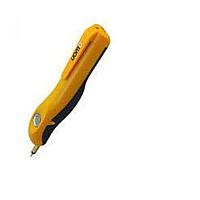
Pen-type Oscilloscope Calibration Service
Compact test tools are often chosen for speed, mobility, and convenience, but they still need reliable measurement performance when used in maintenance, field troubleshooting, electronics service, and production support. A pen-style oscilloscope is especially useful in tight workspaces and quick diagnostic tasks, yet its portability does not remove the need for periodic verification. Pen-type Oscilloscope Calibration Service helps confirm that waveform readings, signal response, and measurement behavior remain aligned with expected instrument performance.
For companies that depend on portable instruments in daily work, calibration is not just a formal requirement. It supports measurement consistency, improves confidence in troubleshooting results, and helps reduce uncertainty when comparing readings across multiple devices or teams. This is particularly relevant when pen-type scopes are used as practical frontline tools rather than bench instruments.

Why calibration matters for pen-type oscilloscopes
Pen-style oscilloscopes are designed for portability, fast setup, and direct signal checks in the field or on the shop floor. Because they are frequently transported, handled in varied environments, and used in fast-paced diagnostic work, they can be exposed to conditions that gradually affect measurement confidence. Calibration helps verify whether the instrument continues to perform within its intended operating behavior.
In practical terms, this matters when technicians use a portable scope to inspect pulse signals, basic waveform quality, timing behavior, or voltage changes during maintenance and repair. A calibrated unit provides a more dependable basis for decisions, especially when measurements influence fault isolation, process checks, or service documentation.
Typical situations where this service is useful
This service is relevant for organizations using compact oscilloscopes in electronics repair, industrial maintenance, educational labs, mobile service teams, and incoming inspection workflows. When a device is regularly shared between users or moved between locations, maintaining a calibration schedule becomes more important for standardization.
It is also useful after long usage periods, before internal audits, or when measurement results appear inconsistent compared with other instruments. If your team also uses other form factors, you may want to review related options such as handheld oscilloscope calibration service or digital oscilloscope calibration service for broader instrument coverage.
What to expect from a pen-type oscilloscope calibration service
A calibration workflow for this category generally focuses on the instrument’s core measurement functions and response characteristics. Depending on the device design, this can involve verification related to waveform display behavior, amplitude response, time-base behavior, and general signal handling performance. The goal is not to change how the instrument is used, but to confirm whether it remains suitable for dependable measurement tasks.
For B2B users, the main value is traceability and repeatability. A well-managed calibration process supports internal quality systems, makes instrument history easier to track, and helps technical teams maintain confidence in the test tools they rely on during inspection or troubleshooting work.
OWON pen-type oscilloscope calibration context
Within this category, OWON is a relevant manufacturer reference for users looking for support around compact oscilloscopes and related service needs. The listed OWON Pen-type Oscilloscope Calibration Service is a practical example for companies that use this brand in routine field or bench-adjacent measurement tasks.
When evaluating service suitability, it is important to look at the actual instrument form factor and usage scenario rather than focusing only on brand name. Pen-type devices occupy a specific position between convenience and measurement capability, so calibration planning should reflect how often they are used, where they are used, and how critical their readings are to your workflow.
How to choose the right calibration category
Not every oscilloscope belongs in the same service stream. A pen-style model is typically selected for portability and quick signal access, while larger units may be intended for more detailed bench analysis. Choosing the correct service category helps ensure the calibration process matches the instrument type and expected use pattern.
If your equipment mix includes older or specialized models, it may also be useful to compare with analog oscilloscope calibration service or PC oscilloscope calibration service. This makes it easier to align service selection with the actual architecture of the instrument fleet rather than grouping every scope under one broad request.
Key considerations for maintenance teams and purchasing departments
For technical managers, calibration planning is often part of a larger asset control process. Portable instruments can be easy to deploy, but they are also easy to overlook when building a service schedule. Including pen-type scopes in the same review cycle as other test equipment can improve visibility across tools used in maintenance, commissioning, and repair work.
For procurement and operations teams, the benefit is broader than compliance. A consistent calibration approach supports more predictable equipment performance, reduces confusion when replacing or rotating tools between technicians, and contributes to a more structured equipment management process. This is especially helpful in organizations where compact test instruments are widely distributed.
Supporting reliable portable measurement workflows
Pen-style oscilloscopes are valued because they make fast signal checks more accessible in real working environments. That convenience is most useful when the instrument can still be trusted as part of a structured measurement process. Calibration service helps bridge the gap between portability and dependable technical use.
When selecting a service option, consider the instrument type, usage frequency, and the role it plays in your maintenance or inspection workflow. For teams using compact portable scopes, a dedicated pen-type oscilloscope service path is a practical way to support traceability, improve consistency, and keep everyday measurement tasks on a more reliable footing.
Get exclusive volume discounts, bulk pricing updates, and new product alerts delivered directly to your inbox.
By subscribing, you agree to our Terms of Service and Privacy Policy.
Direct access to our certified experts