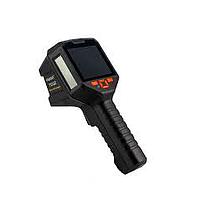
InfraRed Thermometer Calibration Service
Accurate non-contact temperature measurement depends on more than a quick reading on the display. In production lines, maintenance routines, food handling, HVAC checks, and electrical inspections, an infrared thermometer must deliver results that are consistent enough to support real decisions. That is why InfraRed Thermometer Calibration Service is an important part of any temperature measurement program.
This service category is intended for organizations that use handheld IR thermometers in routine work and need to verify measurement performance over time. Calibration helps confirm that the instrument is reading within an acceptable range, supports traceability requirements, and reduces uncertainty when temperature data is used for inspection, troubleshooting, or process control.

Why calibration matters for infrared thermometers
Infrared thermometers are widely used because they allow fast, non-contact checks of surface temperature. However, their readings can drift over time due to normal use, environmental exposure, handling conditions, or aging of internal components. Even a small deviation can affect maintenance judgments, quality checks, or safety-related inspections.
A proper calibration service helps verify whether the instrument still performs as expected. For B2B users, this is especially relevant when temperature readings are recorded as part of maintenance documentation, quality systems, or audit trails. Regular calibration also helps users distinguish between instrument error and process-related temperature changes.
What this service is used for in practice
Infrared thermometer calibration is commonly required in facilities where quick surface temperature checks are part of daily work. Typical use cases include electrical cabinet inspection, machinery monitoring, HVAC system verification, warehouse checks, and incoming goods inspection. In these settings, reliable temperature readings help teams react faster and document conditions with greater confidence.
This category is also relevant when companies manage multiple instruments across departments or sites. Standardizing calibration intervals can make it easier to control equipment status, compare readings between teams, and maintain a more dependable measurement workflow.
Suitable for many common instrument brands
The service can support a wide range of instruments used in industry and maintenance environments. On this page, representative options include calibration support for brands such as FLUKE, FLIR, HIOKI, TESTO, BOSCH, OMRON, Chauvin Arnoux, Amprobe, BKPRECISION, and Advanced Energy.
Examples listed in this category include the Fluke InfraRed Thermometer Calibration Service, Flir InfraRed Thermometer Calibration Service, Testo InfraRed Thermometer Calibration Service, and Hioki InfraRed Thermometer Calibration Service. These examples help illustrate brand coverage, but the main purpose of the category is to help buyers identify the right calibration route for the infrared thermometer models already used in their operations.
How to choose the right calibration service
When selecting a service, the first step is to match it to the instrument type and intended use. Infrared thermometers measure emitted radiation from a surface, so application conditions such as target material, distance, and emissivity can affect field readings. Calibration does not replace correct usage, but it does establish a trusted baseline for the instrument itself.
It is also useful to consider how the device is used inside your organization. Instruments used for routine screening may follow one calibration plan, while devices tied to stricter inspection procedures may require tighter control. If your workflow includes other temperature instruments, you may also want to review contact temperature meter calibration for probes and direct-contact devices used alongside IR tools.
Infrared calibration in a broader temperature measurement workflow
In many facilities, infrared thermometers are only one part of a larger temperature verification setup. Teams may use non-contact screening for speed, then confirm findings with contact instruments or thermal imaging depending on the application. This is especially common in maintenance and inspection programs where different tools serve different levels of diagnosis.
For that reason, buyers often evaluate this category together with related services. If your workflow includes full-scene thermal analysis, thermal imaging camera calibration service may be relevant. For process devices and control loops, temperature meter and controller calibration can be a better fit.
Benefits for maintenance, quality, and compliance teams
For maintenance teams, calibrated infrared thermometers support more reliable condition checks on motors, panels, piping, bearings, and HVAC assets. For quality teams, calibration helps reduce uncertainty when surface temperature is part of incoming inspection, storage verification, or process observation. In both cases, the benefit is not simply a certificate, but a more dependable basis for action.
Calibration can also support internal equipment control procedures by making it easier to schedule, document, and review instrument status. This is valuable in organizations that maintain calibration intervals across multiple devices or need evidence that key measuring tools are periodically checked.
Representative services available in this category
This category includes service listings for well-known instrument brands used in industrial and technical environments. Examples include Omron InfraRed Thermometer Calibration Service, Bosch InfraRed Thermometer Calibration Service, Chauvin Arnoux InfraRed Thermometer Calibration Service, Advanced Energy InfraRed Thermometer Calibration Service, and BKPRECISION InfraRed Thermometer Calibration Service.
These listings help buyers quickly locate a service path aligned with the manufacturer of the instrument in use. Where appropriate, choosing a brand-matched listing can simplify product identification and reduce confusion during service selection, especially for companies managing mixed fleets of handheld measuring devices.
When to consider recalibration
Recalibration should be considered whenever an infrared thermometer is used regularly, shows questionable readings, has experienced impact or rough handling, or is part of a documented quality system. It is also a sensible step after extended service intervals or whenever measurement confidence becomes important for troubleshooting and verification work.
If your team relies on non-contact temperature checks for operational decisions, keeping instruments on a defined calibration schedule is usually more efficient than waiting for obvious problems to appear. A planned approach helps protect data quality and keeps temperature checks aligned with actual field requirements.
Choosing the right InfraRed Thermometer Calibration Service means looking at how the instrument is used, how critical the readings are, and how it fits into your wider measurement process. Whether you manage a few handheld devices or a larger fleet across maintenance and quality functions, regular calibration supports measurement confidence, better documentation, and more consistent temperature verification over time.
Get exclusive volume discounts, bulk pricing updates, and new product alerts delivered directly to your inbox.
By subscribing, you agree to our Terms of Service and Privacy Policy.
Direct access to our certified experts