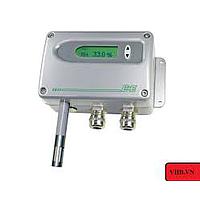
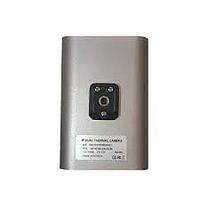
Thermal Sensor Calibration Service
Reliable temperature data starts with sensors that still respond accurately under real operating conditions. In production lines, HVAC systems, laboratories, cleanrooms, and process control environments, even small thermal measurement errors can affect product quality, energy efficiency, traceability, and safety. A professional Thermal Sensor Calibration Service helps verify performance, detect drift, and support confidence in temperature-related measurements.
This category is intended for organizations that use thermal sensors as part of monitoring, control, validation, or testing workflows. Whether the sensor is part of a standalone instrument or integrated into a larger system, calibration plays an important role in maintaining measurement consistency over time and aligning maintenance practices with quality requirements.
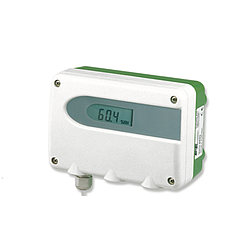
Why thermal sensor calibration matters
Temperature sensing devices are widely used in environments where stable and repeatable readings are essential. Over time, exposure to heat cycles, humidity, vibration, contamination, or normal aging can cause sensor output to shift. Calibration helps identify these deviations before they lead to incorrect process decisions or unreliable test results.
For B2B users, calibration is not only about technical accuracy. It also supports measurement traceability, internal quality systems, preventive maintenance programs, and audit readiness. In applications where temperature is a critical variable, routine service can reduce the risk of hidden errors that affect production or compliance.
Typical applications for thermal sensor calibration
Thermal sensors are used across a broad range of industrial and technical settings. Common examples include environmental monitoring, machinery temperature supervision, process equipment control, storage and transport validation, and building automation systems. In these cases, calibration helps confirm that the sensor still reflects actual thermal conditions with an acceptable level of confidence.
This service is especially relevant when sensors are used in systems where temperature values influence alarms, control loops, product acceptance, or historical data records. If the reading is used to trigger action, support documentation, or validate a process, regular calibration becomes a practical requirement rather than an optional maintenance task.
What this service generally helps verify
A thermal sensor calibration workflow typically focuses on comparing sensor response against a known reference under controlled conditions. The goal is to evaluate how closely the device tracks expected values across relevant temperature points and to identify any measurement drift or response inconsistency.
Depending on the sensor design and application, users may review factors such as accuracy behavior over range, stability, repeatability, and suitability for continued use. For companies managing multiple temperature devices, this service also helps standardize maintenance intervals and create a clearer basis for equipment lifecycle decisions.
Service context within a broader temperature calibration program
Thermal sensor calibration is often part of a wider temperature instrumentation strategy. Organizations that work with multiple device types may also need support for handheld meters, process indicators, infrared tools, or inspection systems. If your environment includes surface probes or contact-based instruments, you may also want to review contact temperature meter calibration as part of a coordinated maintenance plan.
Where non-contact measurement is used for spot checks or field inspection, related services such as infrared thermometer calibration may be relevant. This broader view is useful when temperature data comes from different technologies but needs to remain consistent across the same operation.
Example service coverage from E+E ELECKTRONIK
One representative offering in this category is the E+E ELECKTRONIK Thermal Sensor Calibration Service. This can be relevant for users operating instruments or sensing solutions associated with E+E ELECKTRONIK, especially where temperature measurement performance needs to be checked as part of regular service intervals.
When evaluating a service like this, buyers typically look at the role of the sensor in the application, the importance of documented results, and the need to keep equipment operating within expected measurement behavior. For maintenance teams and quality managers, a manufacturer-aligned or brand-specific service option can be useful when continuity and compatibility matter.
How to decide when calibration is needed
There is no single interval that fits every installation. Calibration frequency often depends on operating conditions, criticality of the measurement, historical stability, internal quality procedures, and whether the sensor is exposed to demanding environments. Sensors used in tightly controlled production or validation processes may require more frequent checks than those used for general monitoring.
It is also sensible to schedule service after events that may affect performance, such as overheating, mechanical shock, extended field use, or unexplained reading deviations. If different temperature devices in the same process no longer agree, calibration can help determine whether the issue comes from the sensor, the instrument, or the application setup.
What to consider when selecting a calibration service
For industrial buyers, the right service is not just about getting a device checked. It should fit the equipment type, the application context, and the documentation needs of the organization. Useful considerations include the type of thermal sensor involved, the expected operating range, turnaround planning, and how the calibration records will be used internally.
If your site also relies on thermal inspection tools, it may be worth looking at thermal imaging camera calibration to support a more complete temperature measurement program. Facilities using panel-based infrared inspection points may also benefit from IR windows calibration services where applicable.
Supporting stable temperature measurement in daily operations
A well-planned calibration program helps reduce uncertainty in day-to-day work. It supports more dependable trending, fewer surprises during audits or troubleshooting, and better confidence when temperature data is used for control, verification, or reporting. For teams responsible for uptime and quality, that added consistency can make a meaningful difference.
If you are reviewing service options for temperature-related devices, this category provides a focused starting point for thermal sensor calibration needs. Choosing service based on application risk, equipment role, and documentation requirements is usually the most practical way to maintain reliable thermal measurement performance over time.
Get exclusive volume discounts, bulk pricing updates, and new product alerts delivered directly to your inbox.
By subscribing, you agree to our Terms of Service and Privacy Policy.
Direct access to our certified experts