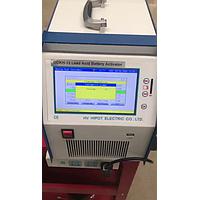
Battery Tester Inspection Service
Reliable battery measurements matter in maintenance, production, backup power management, and field service. When a tester is used to evaluate voltage, internal resistance, capacity, or overall battery condition, periodic inspection helps confirm that the instrument is still delivering results you can trust. This is especially important when battery data is used for acceptance checks, preventive maintenance, or troubleshooting critical systems.
Battery Tester Inspection Service supports the verification of battery measuring instruments used across industrial, electrical, and laboratory environments. Whether the device is applied to routine battery checks or deeper condition analysis, inspection helps reduce uncertainty, improve traceability, and maintain confidence in day-to-day measurement work.
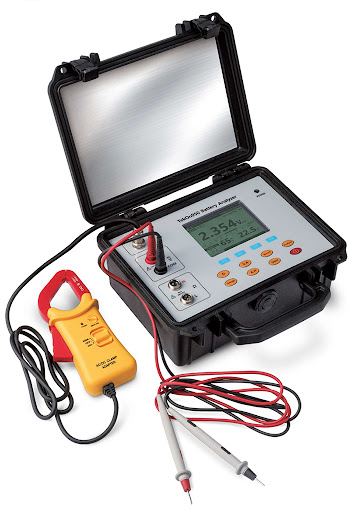
Why battery tester inspection is important
Battery testers are often exposed to repeated field use, transport, changing environments, and frequent connection cycles. Over time, this can affect measurement stability, lead condition, contact quality, and overall instrument performance. An inspection process helps identify these issues before they lead to misleading results.
In many workplaces, battery measurements influence maintenance decisions, replacement timing, and system reliability. A properly inspected tester supports measurement confidence, especially where batteries are used in UPS systems, telecommunications, emergency equipment, portable devices, and industrial power systems.
What this service typically covers
Battery tester inspection generally focuses on confirming that the instrument operates correctly within its intended measuring function. Depending on the type of tester, this may involve checking core electrical measurement behavior, response consistency, display operation, connection integrity, and overall working condition.
For users managing several types of electrical instruments, this service fits naturally alongside related support such as multimeter inspection and clamp meter inspection. This helps maintain a more consistent measurement control process across the full tool set.
Suitable instruments and common use cases
This category is relevant for a wide range of battery-related measuring devices, from compact handheld testers to instruments used for battery capacity and quality evaluation. It is commonly used by maintenance teams, electrical contractors, service providers, production technicians, and quality control departments.
Typical examples in this category include service options for instruments from HIOKI, FLUKE, KEYSIGHT, EXTECH, GW INSTEK, PCE, SEW, BKPRECISION, PROTEK, and Chauvin Arnoux. Representative services listed on this page include HIOKI Battery Tester Inspection Service, FLUKE Battery Tester Inspection Service, KEYSIGHT Battery Tester Inspection Service, and EXTECH Battery Capacity Tester Inspection Service. These examples illustrate the range of supported battery test and battery analysis workflows without limiting the category to a single brand or instrument format.
How to choose the right inspection service
The right service choice starts with understanding how your instrument is used. Some testers are mainly used for quick battery checks in the field, while others are used for more detailed condition assessment or capacity-related evaluation. Usage frequency, required traceability, and the operational importance of the battery systems being tested all influence how inspection should be scheduled.
It is also useful to consider the instrument type and the manufacturer ecosystem. If your team standardizes on brands such as FLUKE or HIOKI, keeping instruments inspected at suitable intervals can simplify internal quality procedures and improve consistency between technicians. For operations that rely on multiple electrical test tools, coordinated service planning across categories can reduce downtime and administrative effort.
Examples of battery tester inspection services available
This category includes inspection services for a range of well-known battery measurement instruments. Examples include GW INSTEK Battery Meter Inspection Service, SEW Battery Tester Inspection Service, PCE Battery Tester Inspection Service, and BKPRECISION Battery Tester Inspection Service. There are also services for more specialized battery evaluation devices such as Chauvin Arnoux Battery Capacity Tester Inspection Service and PROTEK Battery Quality Analyzer Inspection Service.
These listings are useful for buyers who already know the instrument family they use, but they also help procurement and maintenance teams compare service options across different brands. The goal is not simply to match a nameplate, but to ensure the selected service is aligned with the tester’s actual application and measurement role.
Where this service fits in an inspection program
Battery testers are rarely used in isolation. They are often part of a broader toolkit that includes multimeters, clamp meters, and installation test instruments. For organizations building a structured inspection schedule, battery tester verification can be integrated with other electrical instrument services to support better asset management and reduce unexpected performance issues.
In some environments, related checks may also extend to instruments used in installation and system verification, such as multifunction electrical installations meter inspection service. This broader view is useful when battery testing is part of commissioning, service diagnostics, or preventive maintenance workflows.
Who benefits from regular inspection
Maintenance teams, service contractors, energy system operators, and production departments all benefit from regular inspection of battery measuring tools. A dependable tester helps technicians make sound decisions when checking battery condition, identifying weak cells, or confirming whether a battery bank remains suitable for service.
Regular inspection is also valuable for organizations that need consistent documentation and repeatable results across multiple users or locations. When instruments are checked on an ongoing basis, it becomes easier to manage equipment condition, support internal quality systems, and reduce the risk of error caused by unnoticed instrument drift or wear.
Support more reliable battery measurement work
Choosing a suitable inspection service for your battery tester is a practical step toward more dependable maintenance and testing processes. From routine handheld testers to instruments used for battery capacity or quality analysis, inspection helps keep important measurement tasks aligned with real operational needs.
If your team works with instruments from HIOKI, FLUKE, KEYSIGHT, GW INSTEK, EXTECH, PCE, SEW, BKPRECISION, PROTEK, or Chauvin Arnoux, this category provides a focused starting point for finding the appropriate service. A well-planned inspection routine supports accurate battery assessment, better equipment management, and greater confidence in every measurement decision.
Get exclusive volume discounts, bulk pricing updates, and new product alerts delivered directly to your inbox.
By subscribing, you agree to our Terms of Service and Privacy Policy.
Direct access to our certified experts