Cable Height Meter Inspection Service
When overhead line work, utility maintenance, or site safety checks depend on reliable distance readings, inspection quality becomes just as important as the instrument itself. A professional Cable Height Meter Inspection Service helps verify that cable height meters continue to deliver dependable measurements for field use, reducing uncertainty when checking conductor clearance, line height, and related installation conditions.
This service category is relevant for organizations that use cable height meters in power distribution, telecom infrastructure, railway environments, and general electrical maintenance. Whether the device is used for routine preventive checks or for occasional verification before critical jobs, regular inspection supports safer operation and better confidence in measurement results.
Why cable height meter inspection matters
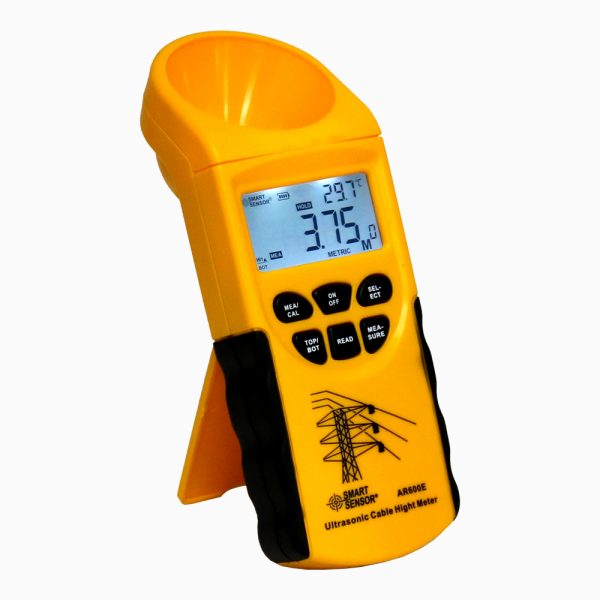
Cable height meters are commonly used where direct contact measurement is impractical or unsafe. In these situations, the instrument is expected to provide stable readings under real field conditions, often in outdoor environments where distance, alignment, and surrounding interference can affect measurement quality.
A structured inspection process helps confirm that the device is functioning correctly and remains suitable for service tasks. For maintenance teams and contractors, this is especially important when measurements influence work planning, safety clearances, or decisions about whether additional access equipment or shutdown procedures are required.
Typical use cases for this service
This category is intended for users who rely on cable height meters during inspection, installation, and maintenance activities. Common users include utility service teams, electrical contractors, infrastructure operators, and technical departments responsible for overhead systems.
In practice, inspection service is useful in several situations: after long periods of field use, before compliance-driven maintenance programs, after suspected impact or abnormal readings, or as part of periodic instrument management. It can also support organizations that need clearer traceability across their measurement equipment fleet.
- Routine verification for regularly used field instruments
- Pre-job inspection before safety-critical measurement work
- Post-event checks after transport damage or handling concerns
- Periodic quality control within maintenance and asset programs
What is generally checked during inspection
Although the exact workflow can vary by instrument and service scope, a cable height meter inspection typically focuses on overall operating condition, functional response, and the consistency of displayed measurement behavior. The goal is not simply to confirm that the unit powers on, but to assess whether it remains fit for dependable technical use.
Inspection may also include review of visible condition, control response, display behavior, and basic performance verification against expected operation. For B2B users managing multiple electrical measurement tools, this kind of service fits naturally alongside broader programs for instruments such as multimeter inspection and clamp meter inspection.
Supported brands and representative service options
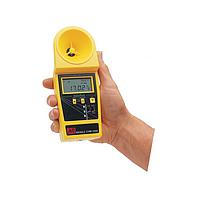
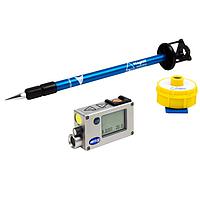
This category includes service options associated with established instrument brands used in technical field environments. For example, users looking for support related to MEGGER equipment can refer to the MEGGER Cable Height Meter Inspection Service, while teams working with HAGLOF devices can consider the HAGLOF Cable Height Meter Inspection Service.
These examples help illustrate the scope of the category without limiting it to a single use case. In procurement and maintenance planning, brand-specific service references can make it easier to align inspection workflows with the instruments already deployed in the field.
How to choose the right inspection service
The most suitable service option depends on how the instrument is used, how often it is deployed, and how critical the measurement is to jobsite safety or maintenance decision-making. Organizations with formal tool management procedures often schedule inspections at defined intervals, while others trigger service based on usage history or operational concerns.
It is also useful to consider the wider measurement environment. If your team works across multiple electrical test devices, combining service planning with related categories such as multifunction electrical installations meter inspection or phase indicator inspection can improve consistency in maintenance records and equipment readiness.
Benefits for maintenance teams and asset managers
For technical departments, regular inspection supports more than just instrument condition. It helps build a more predictable maintenance process, reduces the risk of relying on questionable readings, and makes it easier to track the status of field equipment over time.
From an operational perspective, this can improve planning efficiency and reduce avoidable delays caused by uncertain instrument performance. For companies managing distributed teams or multiple job sites, having a clear inspection path for specialized devices like cable height meters strengthens overall measurement control and supports better equipment reliability.
When to schedule inspection
There is no single interval that suits every organization, because inspection frequency depends on usage intensity, handling conditions, and internal quality requirements. Instruments used frequently in outdoor environments or transported between sites may need closer attention than devices used only occasionally.
As a general approach, consider scheduling service when readings appear inconsistent, after any event that may have affected the device, or as part of a periodic maintenance routine. A proactive inspection strategy is especially valuable where cable clearance measurements contribute directly to safe work preparation and documented technical decision-making.
Find the right service for your instrument fleet
This category is designed to help buyers and maintenance teams identify suitable inspection support for cable height meters used in professional environments. With representative options from MEGGER and HAGLOF, it provides a practical starting point for organizations that need dependable service coverage for specialized measurement tools.
If your workflow includes a wider range of electrical and electronic test instruments, aligning cable height meter inspection with other service categories can simplify maintenance planning and improve readiness across the entire tool set. A well-timed inspection helps keep field instruments dependable, supports safer measurement work, and gives teams more confidence in the data they use every day.
Get exclusive volume discounts, bulk pricing updates, and new product alerts delivered directly to your inbox.
By subscribing, you agree to our Terms of Service and Privacy Policy.
Direct access to our certified experts