
High Voltage Amplifier Inspection Service
Reliable high-voltage testing depends not only on the amplifier itself, but also on confidence that its output, stability, and operating condition remain within acceptable limits over time. In laboratories, production environments, and service facilities, periodic inspection helps reduce measurement uncertainty, supports safer operation, and identifies performance drift before it affects downstream testing or validation work.
High Voltage Amplifier Inspection Service is intended for organizations that use high-voltage amplification equipment in electrical measurement, signal conditioning, dielectric evaluation, research, or other controlled test processes. A well-planned inspection program helps confirm that the device is functioning as expected and provides a more dependable basis for maintenance, troubleshooting, and quality control.
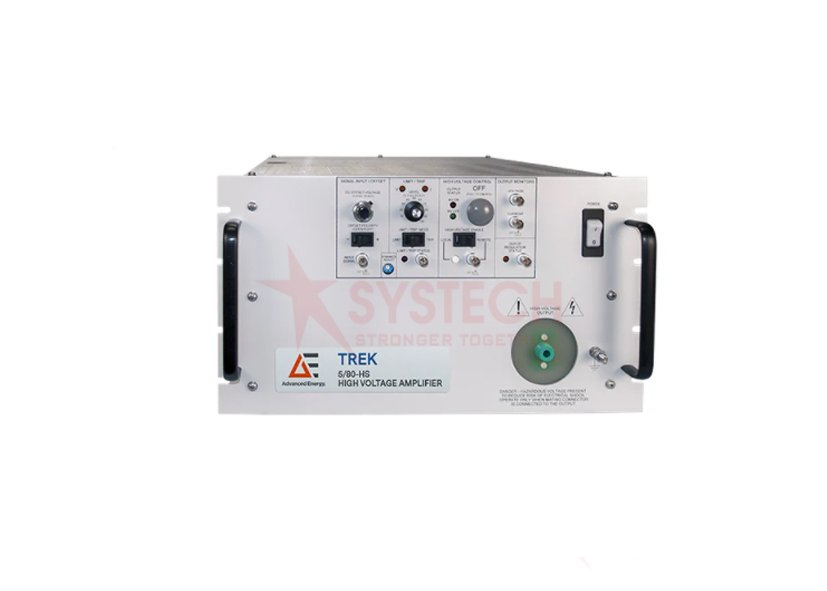
Why inspection matters for high-voltage amplifiers
High-voltage amplifiers operate in applications where output behavior directly influences test accuracy, repeatability, and equipment safety. Even when a unit appears to power on and function normally, gradual drift, abnormal response, or insulation-related issues can affect how the amplifier performs under real operating conditions.
Regular inspection is useful for companies that rely on stable amplification for routine verification work, R&D, or production-line test setups. It can also support maintenance planning by revealing whether an instrument should remain in service, be monitored more closely, or be sent for deeper technical evaluation.
What is typically evaluated during the service
A high-voltage amplifier inspection process generally focuses on the amplifier’s overall operating condition rather than only a simple visual check. Depending on the service scope, this may include assessment of output behavior, functional response, signal integrity, basic safety-related condition, connection status, and signs of wear that could influence reliable use.
For users managing broader electrical test assets, inspection is often part of a wider instrument quality program alongside services for devices such as multimeter inspection and clamp meter inspection. This approach helps maintain consistency across both support instruments and specialized high-voltage equipment.
Suitable use cases and operating environments
This service is relevant wherever high-voltage amplifiers are part of a controlled measurement or test chain. Typical environments include electronics laboratories, electrical product development, educational and research facilities, and industrial quality departments that need dependable amplifier performance for repeated testing tasks.
It is particularly useful when equipment is used frequently, moved between workstations, or exposed to demanding duty cycles. Inspection can also be valuable after unusual operating events, long storage periods, or before critical projects where equipment confidence is especially important.
Example equipment within this category
A representative example in this category is the PINTEK High Voltage Amplifier Inspection Service. This type of service is relevant for organizations that use amplifier equipment from PINTEK in test and measurement workflows and need a structured way to review instrument condition and performance.
When evaluating service suitability, buyers should focus less on brand alone and more on how the amplifier is used in practice: output level requirements, frequency behavior, connected loads, test criticality, maintenance history, and the role of the amplifier in the overall measurement chain all affect how important routine inspection becomes.
How to choose the right inspection scope
The right service level depends on application risk, internal quality requirements, and how the amplifier supports your process. For occasional bench use, a basic functional review may be sufficient. For regulated workflows, recurring validation routines, or equipment tied to product acceptance testing, a more structured inspection schedule is often more appropriate.
It is also helpful to consider related instruments used in the same environment. For example, teams working on installation or field verification may also review services such as multifunction electrical installations meter inspection. Looking at the broader test ecosystem can improve traceability and reduce gaps in equipment oversight.
Benefits for maintenance planning and quality systems
A consistent inspection routine supports more than day-to-day equipment confidence. It can help maintenance teams document instrument condition, identify recurring issues, and make better decisions about servicing intervals or replacement timing. This is especially important when high-voltage amplifiers are integrated into test procedures that influence product quality, engineering decisions, or internal compliance records.
From a quality perspective, inspection contributes to a more controlled equipment management process. Instead of reacting only after failures occur, teams can use inspection outcomes to create a more proactive strategy around uptime, reliability, and technical readiness.
Working with specialized electrical instrument services
Electrical instrument inspection is most effective when it reflects the actual role of each device in the application. High-voltage amplifiers are not general-purpose handheld meters, so the service context should recognize their place in signal amplification, high-potential testing, or laboratory measurement systems. A specialized approach helps ensure that the evaluation remains relevant to real operating demands.
For procurement teams and technical buyers, this also makes category-level comparison easier. Rather than treating all instrument services as interchangeable, it becomes possible to separate routine meter inspection from services intended for more specialized electronic and high-voltage equipment.
Conclusion
Choosing a suitable inspection service for high-voltage amplifiers helps protect measurement quality, improve operational confidence, and support a more disciplined maintenance strategy. Whether the amplifier is used in development, verification, or ongoing industrial testing, regular review of its condition is a practical step toward more reliable results.
If your team depends on stable amplified high-voltage output in daily work, this category provides a focused starting point for evaluating the right high-voltage equipment service for your application. A clear inspection process can make it easier to keep critical test instruments ready for use and aligned with your internal quality expectations.
Get exclusive volume discounts, bulk pricing updates, and new product alerts delivered directly to your inbox.
By subscribing, you agree to our Terms of Service and Privacy Policy.
Direct access to our certified experts
