SMU Tester Inspection Service
Accurate source and measurement performance is critical in semiconductor evaluation, component characterization, and low-level electrical testing. When an instrument must both source and measure with precision, even small deviations can affect test repeatability, traceability, and engineering decisions. That is why a reliable SMU Tester Inspection Service is important for laboratories, maintenance teams, and manufacturers that depend on stable electrical test results.
This category focuses on inspection services for source measure units used in demanding electronic measurement environments. Whether the equipment is applied in R&D, incoming inspection, production support, or failure analysis, periodic inspection helps confirm that the instrument is operating as expected and remains suitable for its intended workload.
Why source measure units need regular inspection
An SMU combines power sourcing and electrical measurement in one platform, making it useful for tasks that require controlled voltage or current along with precise readback. Because these instruments often support sensitive semiconductor and electronic component tests, inspection is not just a maintenance formality. It helps users verify measurement integrity, detect drift, and reduce the risk of incorrect pass/fail judgments.
Regular review of instrument condition is especially relevant when the unit is used for low-current, low-voltage, or highly repeatable measurement routines. In these situations, measurement confidence depends not only on the instrument design, but also on its actual operating state over time, usage conditions, and handling history.
Typical use cases for SMU tester inspection services
Source measure units are commonly used in semiconductor testing, material research, device I-V characterization, and electrical validation of small electronic parts. In many workflows, the instrument is expected to source stable signals while measuring response with high consistency. Inspection services help confirm that this dual function remains dependable under real operating conditions.
This is relevant for engineering teams working with transistor curves, leakage checks, diode behavior, sensor evaluation, or bench-level electronic analysis. It is also important for service organizations and production environments where one inaccurate instrument can influence multiple test stages or lead to costly troubleshooting cycles.
What an inspection service helps you assess
The purpose of inspection is to evaluate whether the SMU remains fit for use in its intended measurement role. In practical terms, this may include checking overall instrument condition, verifying key operating behavior, and identifying issues that could affect sourcing stability or reading accuracy. The exact inspection scope can vary depending on the instrument type and application requirements.
For users managing a broader fleet of electrical test equipment, SMU inspection often forms part of a wider quality control approach alongside services for multimeters inspection and other measurement tools. This kind of structured service planning supports better traceability across the full test environment.
In many organizations, inspection also helps with internal audit readiness, preventive maintenance planning, and decisions about whether an instrument should remain in active service, be adjusted, or be routed for deeper evaluation. For B2B users, that can be just as important as the test result itself.
Representative brands covered in this category
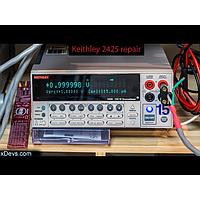
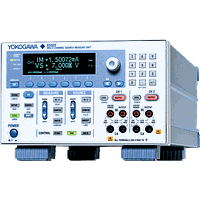
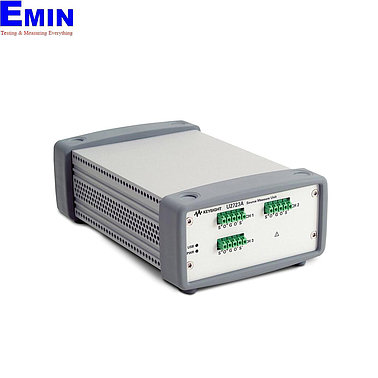
This category includes inspection services related to widely used SMU platforms from established manufacturers such as KEITHLEY, KEYSIGHT, and YOKOGAWA. These brands are commonly associated with precision electrical measurement in laboratories, electronics development, and semiconductor-related applications.
Examples in this category include the KEITHLEY SMU Semiconductor Test Inspection Service, KEYSIGHT SMU Semiconductor Test Inspection Service, and YOKOGAWA Source Measure Unit Inspection Service. These examples help illustrate the scope of the category, but the real value of the service lies in supporting ongoing instrument reliability rather than simply naming a specific model family.
How to choose the right inspection service for your workflow
Selection should start with the actual role of the SMU in your process. A unit used for routine electronic checks may require a different level of review than one used in semiconductor characterization, low-level leakage measurement, or development work where tight repeatability matters. Understanding the measurement range, test frequency, and process criticality will help determine how formal and how frequent the inspection should be.
It is also useful to consider the surrounding test ecosystem. If your team manages several electrical instruments together, inspection intervals can often be planned in coordination with related services such as clamp meter inspection. This creates a more consistent maintenance schedule and reduces disruption to operations.
Benefits for labs, production teams, and service organizations
A well-managed inspection program supports equipment reliability, process consistency, and confidence in reported measurement data. For engineering laboratories, this can improve trust in comparative test results. For production and quality teams, it can reduce the chance of hidden instrument issues affecting acceptance testing or troubleshooting work.
Inspection services can also help extend the useful working life of valuable measurement assets by identifying concerns before they become more serious. In B2B environments where uptime, documentation, and repeatability matter, this kind of preventive attention often contributes to better asset planning and fewer unexpected interruptions.
When to review your SMU equipment condition
There is no single timing rule that suits every organization. Inspection frequency usually depends on how heavily the instrument is used, the sensitivity of the measurements, the operating environment, and internal quality requirements. Equipment that is used for critical semiconductor or low-level electrical testing may justify more frequent review than instruments used occasionally for general bench work.
Signs that inspection may be needed include unstable readings, unexpected sourcing behavior, inconsistent results between setups, or uncertainty after relocation, storage, or heavy usage periods. If these issues appear across multiple electrical tools, it may also be worth reviewing adjacent service categories such as multifunction electrical installations meter inspection where relevant to your facility.
Supporting better decisions with the right inspection scope
Choosing an SMU inspection service is ultimately about reducing uncertainty in electrical testing. A source measure unit often sits close to the center of evaluation workflows, especially where sourcing precision and measured response must be considered together. Keeping that instrument in verified condition helps protect both day-to-day operations and longer-term quality objectives.
If your team relies on KEITHLEY, KEYSIGHT, or YOKOGAWA platforms for semiconductor or electronic measurement tasks, this category provides a focused starting point for identifying suitable inspection support. A practical service plan should match the way the instrument is actually used, the risk of measurement error, and the importance of dependable results in your application.
Get exclusive volume discounts, bulk pricing updates, and new product alerts delivered directly to your inbox.
By subscribing, you agree to our Terms of Service and Privacy Policy.
Direct access to our certified experts