Dew Point Meter Inspection Service
Reliable compressed air and gas systems depend on accurate moisture measurement. When a dew point instrument starts to drift, the result can be hidden quality problems, unstable processes, or unnecessary maintenance decisions. A professional Dew Point Meter Inspection Service helps verify whether the instrument is reading correctly and whether it is still suitable for routine monitoring in industrial environments.
This service is relevant for plants that use dew point meters in compressed air treatment, drying systems, process gas monitoring, and environmental control. Regular inspection supports traceability, improves confidence in measurement data, and helps users identify issues before they affect product quality or system efficiency.
Why dew point meter inspection matters
Dew point is a critical parameter wherever moisture must be controlled. In compressed air systems, even small measurement errors can lead to incorrect assumptions about dryer performance, line condition, or air quality. In practical terms, this may mean using a system that appears compliant on screen while actual moisture levels are outside the expected range.
An inspection service provides a structured check of the instrument’s condition and measurement behavior. For maintenance teams and quality departments, this is valuable because it supports measurement reliability without relying only on field impressions or infrequent troubleshooting.
Typical situations where inspection is needed
Dew point instruments are often used continuously and may be exposed to vibration, contamination, pressure variation, or long service intervals. Over time, these factors can influence sensor response and overall instrument performance. Inspection is especially useful when readings appear inconsistent, after extended operation, or before a quality audit.
It is also a sensible step when a meter is used in applications with strict moisture control requirements. If your facility manages multiple environmental measurement devices, related services such as sound level meter inspection or light meter inspection may be part of a broader instrument verification program.
What this service generally helps you verify
A dew point meter inspection is typically intended to confirm whether the device remains suitable for operational use. This can include reviewing measurement consistency, checking response behavior, and identifying signs of wear or drift that could affect readings. The exact scope may vary by instrument type and service workflow, but the goal is the same: to improve trust in the measured value.
For many users, the benefit is not only technical but operational. A verified instrument makes it easier to plan maintenance, compare historical data, and decide whether further calibration, repair, or replacement should be considered. This is particularly important when dew point values are used to validate dryer performance or product handling conditions.
Suitable for industrial moisture monitoring applications
This category is intended for dew point meters used in professional and industrial settings rather than general consumer devices. Typical use cases include compressed air networks, desiccant or refrigeration dryers, gas distribution systems, and process areas where excessive moisture can damage equipment or affect end-product quality.
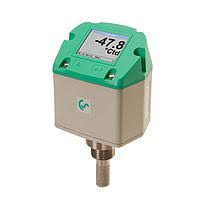
Users working with specialized moisture instrumentation may also be familiar with brands such as CS Instruments, which are commonly associated with compressed air and dew point monitoring solutions. The listed CS Instruments Dew Point Meter Inspection Service is a relevant example for customers who need support around installed measurement equipment in this field.
How to choose the right inspection service
When selecting a service, it helps to start with the role of the instrument in your process. If the dew point meter is tied to compliance, product quality, or critical equipment protection, inspection intervals should be planned more carefully than for a device used only for trend observation. The service should also match the instrument type and intended operating environment.
It is equally important to prepare basic information in advance, such as the manufacturer, model, application, and any observed reading issues. This helps ensure the inspection request is clear and reduces delays in evaluation. Where multiple environmental instruments are managed together, related categories such as water activity meter inspection can also support a more complete control strategy.
When inspection supports maintenance and quality control
Inspection is often most effective when it is part of a preventive maintenance routine rather than a response to failure. By checking dew point instruments at appropriate intervals, teams can spot early drift, compare performance over time, and reduce the chance of decisions being made from inaccurate data.
From a quality perspective, documented instrument checks also help create a stronger basis for internal reviews and customer requirements. In facilities where moisture, air quality, and process stability are closely connected, periodic inspection contributes to more consistent operation and fewer avoidable surprises.
Related service context within environmental instruments
Dew point monitoring is one part of a wider environmental and process measurement landscape. Depending on the application, users may need to maintain several instrument types together to keep inspection records aligned and measurement confidence consistent across departments.
For example, in laboratories, utility systems, and controlled industrial spaces, dew point monitoring may sit alongside other inspection needs such as ion measurement electrode inspection. Looking at these services together can simplify maintenance planning and support better equipment oversight.
Practical next step for dew point meter users
If your instrument is used to assess dryness, dryer performance, or moisture risk in compressed air and gas systems, arranging an inspection is a practical way to confirm that the readings still reflect actual conditions. This is especially worthwhile when measurement accuracy influences maintenance actions, process decisions, or quality documentation.
By choosing a service aligned with your instrument and application, you can strengthen data confidence, reduce uncertainty in routine monitoring, and maintain better control over moisture-sensitive processes. A well-timed dew point meter inspection is a straightforward step toward more dependable measurement and more informed operation.
Get exclusive volume discounts, bulk pricing updates, and new product alerts delivered directly to your inbox.
By subscribing, you agree to our Terms of Service and Privacy Policy.
Direct access to our certified experts