
Mini drying tank inspection service
Reliable drying conditions are essential in many laboratory and light industrial processes, especially when materials, samples, glassware, or small components must be dried under controlled heat. Over time, however, a compact drying unit may drift from its intended performance, leading to uneven temperature distribution, longer drying cycles, or uncertainty in process repeatability. That is why a professional Mini drying tank inspection service is important for facilities that need confidence in day-to-day operation.
This service is intended for users who want to verify whether a mini drying tank is operating within acceptable conditions for their internal quality requirements. It can support laboratories, research environments, testing rooms, and production support areas where compact drying equipment is part of a broader controlled workflow.
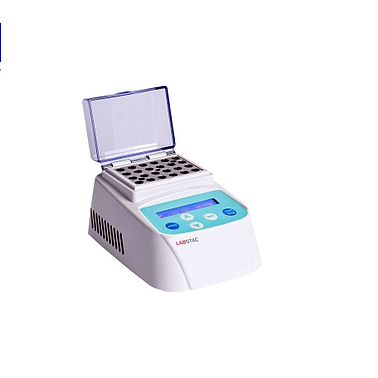
Why periodic inspection matters for mini drying tanks
Small drying tanks are often used because they are practical, space-saving, and suitable for routine heating or drying steps. Even so, compact equipment is still subject to wear, sensor drift, controller deviation, and heat distribution issues. If these changes go unnoticed, the equipment may continue to run while delivering results that are less stable than expected.
A structured inspection helps identify whether the unit can still support the intended process. In many environments, this is not only about equipment condition, but also about process consistency, internal audits, preventive maintenance planning, and reducing the risk of unexpected downtime.
What is typically checked during the inspection
The exact inspection scope can vary depending on the equipment design and the user’s internal procedure, but the goal is generally to evaluate the operating condition of the mini drying tank in a practical and traceable way. This often includes checking heating behavior, basic functional status, and whether the equipment can maintain conditions suitable for its intended use.
Inspection work may focus on points such as control response, chamber condition, indicator operation, and the overall stability of the unit during operation. For users managing quality-sensitive processes, attention is usually given to temperature stability and whether the unit performs uniformly enough for routine laboratory work.
- Visual condition and general equipment status
- Basic operational and control function checks
- Assessment of heating performance and response
- Review of condition consistency during use
- Identification of issues that may affect reliability or safety
Applications where inspection is especially valuable
Mini drying tanks are commonly found in laboratories that handle sample preparation, glassware drying, low-volume thermal treatment, or support tasks in testing and research. In these settings, small deviations can still affect workflow efficiency, especially when operators assume the displayed setting reflects actual chamber conditions.
Regular inspection is particularly useful when the equipment is used in repeated procedures, shared by multiple users, or included in controlled documentation systems. It also becomes more relevant when the drying tank supports adjacent equipment workflows, such as sample handling before centrifugation or preparation steps in clean laboratory environments.
How inspection supports laboratory quality control
Equipment inspection is often part of a broader quality approach rather than an isolated service. For laboratories with multiple critical devices, checking the mini drying tank helps maintain confidence across the full process chain. When one device begins to perform inconsistently, it can affect downstream steps, documentation quality, and troubleshooting time.
Facilities that also manage containment, sterilization, or thermal storage equipment may benefit from reviewing related services as part of a coordinated maintenance plan. For example, users working in controlled laboratory spaces may also need biosafety cabinet inspection service support, while sterilization workflows may require autoclave sterilizer inspection service at appropriate intervals.
When to consider scheduling a mini drying tank inspection
Many users arrange inspection on a periodic basis, but there are also practical signs that indicate the service should be scheduled sooner. These may include longer drying times than usual, inconsistent heating results, unexplained variation between batches, controller readings that seem unreliable, or a long service interval since the last equipment review.
Inspection is also worth considering after relocation, prolonged storage, repeated heavy use, or before internal quality reviews. If the unit is part of a larger equipment fleet, aligning inspection timing with other laboratory assets can make planning more efficient and help standardize maintenance records.
Related laboratory equipment services
Mini drying tanks rarely operate in isolation. In many laboratories, they are part of a wider group of equipment used for sample preparation, storage, and handling. That is why users often review this service together with other inspection needs that support the same workflow.
Depending on the application, it may be relevant to look at centrifuge inspection service for sample processing equipment or deep freezer inspection for controlled cold storage. Reviewing these services together can help build a more complete preventive equipment management program.
Choosing the right service approach
When selecting an inspection service, it is useful to focus on clarity of scope, suitability for the equipment type, and the needs of the operating environment. A compact drying unit may appear simple, but its role can still be important in controlled laboratory routines. The inspection should therefore be practical, relevant, and aligned with how the equipment is actually used.
For organizations that rely on documented equipment condition, a good inspection process helps create a clearer picture of current performance and potential maintenance needs. This supports better decisions on continued use, adjustment, servicing, or replacement planning without making assumptions based only on appearance or age.
Conclusion
A mini drying tank inspection service helps laboratories and technical facilities verify that compact drying equipment remains dependable for routine operations. By checking function, heating behavior, and overall operating condition, the service supports equipment reliability, more consistent workflows, and better maintenance visibility.
If your drying unit is part of a regulated, repeatable, or quality-sensitive process, periodic inspection is a practical step toward maintaining confidence in the results it supports. In the broader context of laboratory equipment management, it is a straightforward way to reduce uncertainty and keep essential support equipment performing as expected.
Get exclusive volume discounts, bulk pricing updates, and new product alerts delivered directly to your inbox.
By subscribing, you agree to our Terms of Service and Privacy Policy.
Direct access to our certified experts