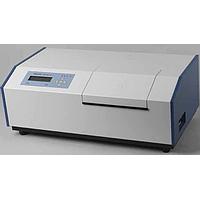
Polarimeter Inspection Service
Reliable optical measurement depends on more than routine operation. In laboratories and quality-control environments, a polarimeter must deliver stable, repeatable readings so users can evaluate optical rotation with confidence. A professional Polarimeter Inspection Service helps verify instrument condition, identify performance issues early, and support consistent measurement quality over time.
This type of service is especially relevant for facilities working with pharmaceuticals, food ingredients, chemicals, and research samples where optical activity is part of product testing or analytical control. Regular inspection also helps reduce unexpected downtime and provides a clearer picture of whether the instrument remains suitable for day-to-day use.
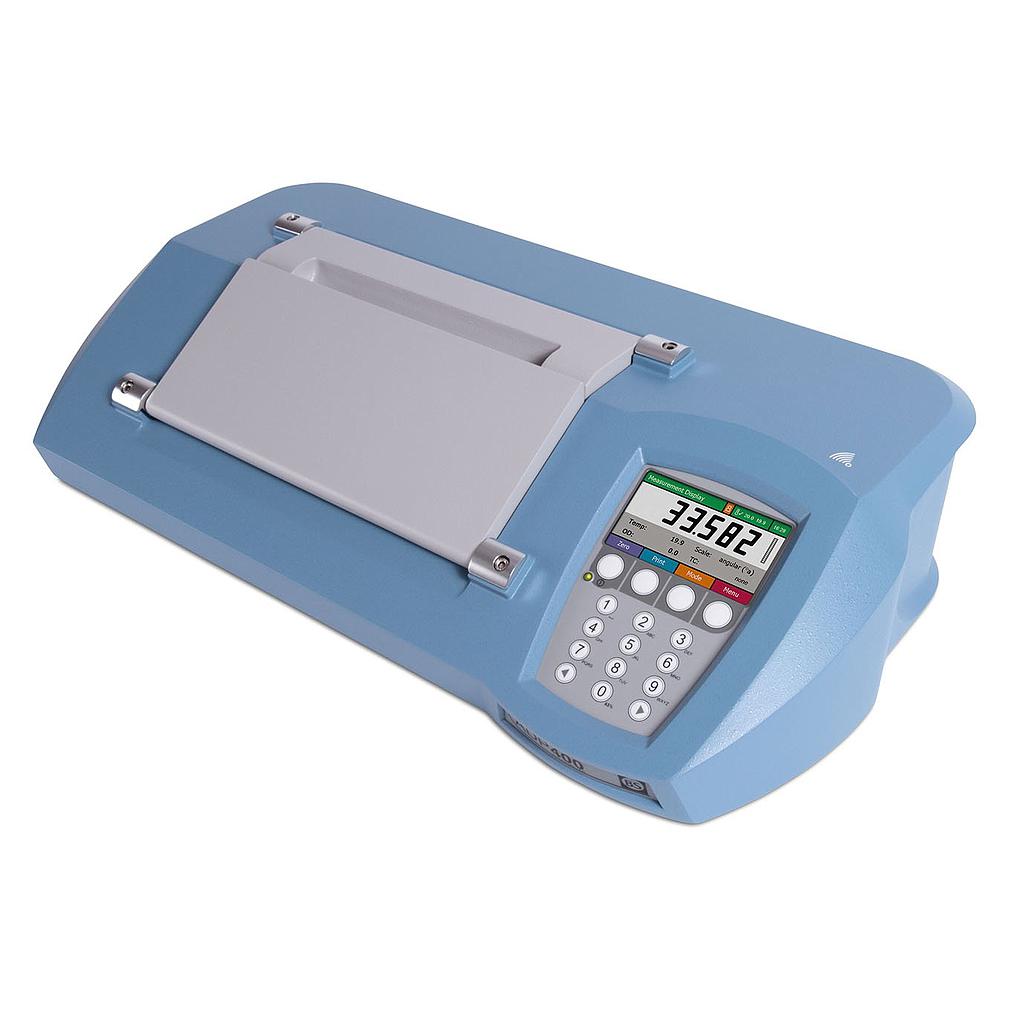
Why polarimeter inspection matters in laboratory workflows
A polarimeter is used to measure the rotation of polarized light caused by optically active substances. Because this measurement can be sensitive to instrument condition, alignment, light source stability, sample handling, and general wear, periodic inspection is an important part of laboratory equipment management.
For many labs, inspection is not only about finding faults after a problem appears. It is also a preventive step that supports measurement reliability, helps maintain internal quality systems, and reduces the risk of decisions being made from questionable data. When a polarimeter is used regularly for release testing, formulation checks, or incoming material verification, that reliability becomes even more important.
What a Polarimeter Inspection Service typically focuses on
The scope of inspection may vary depending on the instrument, its age, and how intensively it is used. In general, a service visit is intended to review the overall operating condition of the equipment and assess whether key functions are performing as expected.
Typical inspection attention points can include the optical system, display and control response, sample chamber condition, mechanical integrity, and general operational stability. In practical terms, this helps users determine whether the instrument is functioning normally, whether maintenance may be needed, or whether further calibration or repair should be considered.
For organizations using ATAGO instruments, the ATAGO product range is often associated with routine optical measurement tasks in laboratories and quality-control settings. A relevant example in this category is the ATAGO Polarimeter Inspection Service, which supports users who want to keep their instrument condition under review as part of a broader equipment-care program.
When to schedule an inspection
Inspection intervals usually depend on usage frequency, operating environment, and internal quality requirements. A laboratory that runs frequent sample batches may need more regular checks than a facility using the instrument only occasionally. The same applies when the equipment is exposed to vibration, dust, temperature fluctuations, or heavy handling.
It is often sensible to schedule inspection when readings appear inconsistent, after equipment relocation, after a long operating period, or as part of planned preventive maintenance. Many labs also coordinate polarimeter checks alongside other laboratory equipment services such as centrifuge inspection service or autoclave sterilizer inspection service to keep service planning more efficient.
Benefits of regular inspection for quality and operations
A structured inspection process can provide value beyond the instrument itself. In regulated or quality-sensitive environments, it supports better documentation of equipment condition and helps teams respond faster when abnormal behavior is detected. This is useful for both routine production support and research applications where stable measurement conditions matter.
From an operational perspective, regular checks can help extend usable equipment life, reduce unplanned interruptions, and support more predictable maintenance budgeting. Instead of waiting for complete failure, laboratories can make better decisions based on the actual condition of the instrument. That makes preventive equipment care a practical strategy rather than an administrative exercise.
How to choose the right service for your application
When selecting a polarimeter inspection option, it is helpful to consider the instrument brand, the criticality of the measurement, and the role of the device in your process. A lab using the instrument for occasional educational work may have different service expectations than a production laboratory relying on optical rotation data as part of product acceptance.
Users should also look at service relevance in the context of the wider laboratory environment. Facilities that maintain multiple instruments may benefit from aligning service schedules across categories, for example with biosafety cabinet inspection service where applicable to the site’s equipment portfolio. The main goal is to create a sensible maintenance structure that matches actual operational risk.
Example service option in this category
One representative offering in this category is the ATAGO Polarimeter Inspection Service. This service can be relevant for users who want a focused inspection approach for ATAGO polarimeter equipment and need support in checking instrument condition as part of routine laboratory maintenance.
Rather than treating inspection as a one-time event, many organizations include it in a broader equipment quality assurance plan. This makes it easier to track service history, identify recurring issues, and maintain confidence in laboratory measurements across different instruments and workflows.
Supporting a more dependable laboratory setup
Polarimeters are only one part of a larger laboratory ecosystem, but their role can be important wherever optical rotation is tied to material evaluation or product quality. An inspection service helps ensure that this role is supported by equipment that remains in proper working condition and is reviewed before problems become more serious.
If your laboratory depends on stable analytical performance, choosing a suitable inspection service is a practical step toward better continuity, clearer equipment oversight, and more dependable measurement results. A well-maintained polarimeter contributes not just to instrument uptime, but to confidence in the data behind everyday laboratory decisions.
Get exclusive volume discounts, bulk pricing updates, and new product alerts delivered directly to your inbox.
By subscribing, you agree to our Terms of Service and Privacy Policy.
Direct access to our certified experts