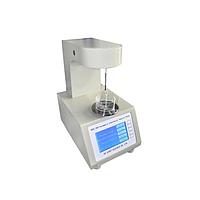
Surface Determination Tension Meter Inspection Service
Accurate surface tension measurement matters when laboratories need consistent data for coating behavior, wetting performance, formulation control, or material comparison. Even small deviations in a surface determination tension meter can affect test repeatability, which is why a dedicated Surface Determination Tension Meter Inspection Service is an important part of routine laboratory quality control.
This service category is intended for organizations that want to check the condition, operating stability, and measurement reliability of their instrument before those errors influence daily testing. Whether the meter is used in research, production support, or verification work, periodic inspection helps confirm that the equipment remains suitable for its intended application.
Why inspection is important for this type of instrument
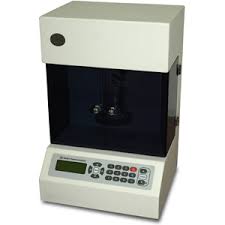
A surface determination tension meter is typically used where liquid behavior at an interface must be assessed with confidence. In practical laboratory environments, performance can drift over time because of handling, environmental conditions, contamination, mechanical wear, or changes in setup. Inspection helps identify these issues early and supports more dependable measurements.
For B2B users, this is not only a technical concern but also an operational one. Unchecked equipment may lead to repeated tests, inconsistent internal reports, or uncertainty during audits and method reviews. A structured inspection service gives laboratories a clearer basis for maintenance planning and instrument readiness.
What a surface determination tension meter inspection service typically supports
This category focuses on inspection support for instruments used to evaluate surface-related liquid properties in laboratory settings. The goal is to review whether the device is functioning properly, whether key measuring behavior appears stable, and whether the instrument can continue to support routine test work under controlled conditions.
Depending on the laboratory workflow, inspection may be relevant before scheduled use, after prolonged operation, following transport, or when measurement results start to appear inconsistent. It is especially useful in environments where traceability, repeatability, and process documentation are important for internal quality systems.
Typical use cases in laboratories and technical environments
Surface tension measurement can be relevant in material development, chemical testing, liquid formulation work, and other applications where interface behavior influences product performance. In these contexts, confidence in the measuring instrument helps teams make better decisions about sample acceptance, formulation changes, and process consistency.
Inspection services are also valuable when the instrument is part of a broader lab equipment management plan. Facilities that already schedule checks for items such as centrifuge inspection service or biosafety cabinet inspection service often benefit from applying the same disciplined approach to measurement instruments that affect test data quality.
Representative service options in this category
This category includes several manufacturer-based service entries that can help buyers locate suitable inspection support more efficiently. Examples include the HV HIPOT Surface Determination Tension Meter Inspection Service, the Acore Surface Determination Tension Meter Inspection Service, and the Wuhan Surface Determination Tension Meter Inspection Service.
Additional listed options include services associated with KVTESTER and Laryee. These entries are useful as reference points when your purchasing process prefers brand-based filtering or when your laboratory already operates equipment from a particular supplier. The purpose of the category is not simply to list names, but to help users narrow down inspection support in a practical and organized way.
How to choose the right inspection service
When selecting a provider or service entry, start with the instrument context rather than price or brand alone. Consider how the meter is used, how often it operates, whether it supports regulated or internal QC work, and how critical its results are to downstream decisions. A laboratory with high testing frequency may need a different service cadence than one using the instrument occasionally for development tasks.
It is also sensible to review whether your team needs only a condition check or a broader service workflow that fits into scheduled lab equipment verification. If your facility manages multiple instrument types, related service categories such as autoclave sterilizer inspection service or deep freezer inspection may also be relevant as part of a wider maintenance plan.
Supported manufacturers and category coverage
The current category highlights services related to KVTESTER, Laryee, HV HIPOT, Acore, and Wuhan. These manufacturer references help buyers quickly identify suitable options without having to search across unrelated pages. Where appropriate, users can also browse the KVTESTER manufacturer page for a broader view of related offerings.
Manufacturer names here should be understood as a navigation aid within the catalog. The most important factor remains the fit between the inspection service and the actual instrument in your laboratory, including its usage condition, measurement role, and service history.
When to schedule inspection
A practical time to arrange inspection is before critical testing cycles, after relocation, or when operators notice unusual readings, unstable behavior, or inconsistent repeat results. Regular review is also a good practice for instruments that support customer-facing reports, internal release decisions, or long-term comparative studies.
Many organizations include these checks in periodic asset management routines alongside maintenance and calibration activities for other laboratory systems. This approach reduces the chance of unexpected downtime and helps preserve confidence in the data generated by the instrument.
Finding the right fit for your laboratory workflow
Choosing a suitable Surface Determination Tension Meter Inspection Service is ultimately about protecting measurement confidence and keeping laboratory operations predictable. A well-matched service can help identify performance concerns early, support equipment lifecycle planning, and reduce disruption to routine testing.
If your facility manages multiple lab instruments, it often makes sense to review this category as part of a broader inspection strategy rather than as a one-off task. By selecting service options that align with your equipment base, usage pattern, and quality requirements, you can build a more reliable and consistent laboratory support process.
Get exclusive volume discounts, bulk pricing updates, and new product alerts delivered directly to your inbox.
By subscribing, you agree to our Terms of Service and Privacy Policy.
Direct access to our certified experts