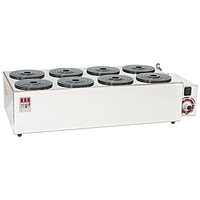
Water bath inspection service
Stable temperature control is critical in many laboratory workflows, from sample preparation and incubation to reagent warming and routine test procedures. When a water bath begins to drift, heat unevenly, or respond slowly, the impact can extend beyond convenience and affect repeatability, process confidence, and equipment uptime. A professional water bath inspection service helps identify these issues early and supports more reliable day-to-day operation.
This service category is intended for laboratories, quality teams, maintenance departments, and industrial users that rely on water baths as part of controlled thermal processes. Whether the unit is used in research, education, pharmaceutical work, food testing, or general laboratory support, periodic inspection is a practical step to verify condition, improve consistency, and plan maintenance based on actual equipment status.
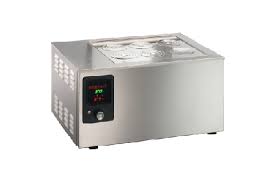
Why water bath inspection matters in laboratory environments
A water bath may appear simple, but its performance depends on several factors working together: heater response, temperature control, sensor accuracy, circulation behavior where applicable, and the physical condition of the chamber and lid. Small deviations in any of these areas can create differences between the set value and the actual bath condition, especially during longer runs or repeated use.
Regular inspection is especially valuable where processes depend on temperature stability and reproducibility. It can help users detect signs of wear, contamination, control irregularities, or mechanical degradation before these problems lead to failed tests, inconsistent sample treatment, or unnecessary downtime.
What is typically evaluated during a water bath inspection service
The scope of inspection can vary by equipment design and laboratory requirements, but the purpose is generally to assess operational condition and confirm that the unit performs as expected. This usually includes reviewing the overall physical state of the water bath, checking key functional elements, and observing how the unit behaves under operating conditions.
Common evaluation points may include the heating system, control panel response, displayed versus observed temperature behavior, bath chamber condition, and general safety-related observations. For laboratories managing multiple thermal devices, this type of service is often part of a broader preventive maintenance approach alongside services such as autoclave sterilizer inspection or centrifuge inspection.
Suitable for different brands and laboratory setups
Laboratories often operate water baths from different manufacturers across departments, so inspection services need to fit mixed equipment fleets rather than a single brand environment. This category includes service examples for widely used laboratory brands such as Lauda, MEMMERT, CRYSTE, and DaiHan, helping users find support aligned with equipment already installed in their facility.
Representative services in this category include the Lauda Laboratory Water Bath Inspection Service, MEMMERT Water Bath Inspection Service, CRYSTE Water Bath Inspection Service, and DAIHAN Shaking Water Bath Inspection Service. These examples are useful references for users who need brand-relevant support, including applications involving standard laboratory water baths as well as shaking models used in sample mixing and temperature-controlled processing.
When to schedule an inspection
An inspection is worth considering whenever a water bath shows signs of inconsistent performance, after long operating periods, or before critical validation-sensitive work. Users may also schedule inspections after relocation, after repairs, or as part of periodic maintenance planning for laboratory assets.
Typical warning signs include slower heat-up time, unstable displayed readings, visible chamber deterioration, unusual operating behavior, or difficulty maintaining expected process conditions. In laboratories where environmental control and contamination prevention are important, related equipment may also require periodic checks, such as biosafety cabinet inspection service or deep freezer checks for temperature-dependent storage systems.
How inspection supports maintenance planning and compliance readiness
A structured equipment inspection service gives maintenance and QA teams better visibility into actual equipment condition. Instead of waiting for a failure, laboratories can use inspection findings to prioritize servicing, replacement, cleaning, or more detailed calibration-related actions where necessary.
This is especially helpful in regulated or quality-controlled environments where records, service history, and documented equipment condition support internal procedures. While inspection is not the same as every form of calibration or qualification, it is often an important part of the overall lifecycle management of laboratory equipment and can contribute to more predictable operation.
Choosing the right water bath inspection service
Selection should start with the type of water bath in use and the role it plays in the process. A general-purpose laboratory bath, a circulating model, and a shaking water bath may present different operating characteristics, so service relevance depends on actual use conditions rather than category name alone.
It is also useful to consider the brand, service interval, criticality of the application, and whether the inspection is being arranged as a one-time check or within a wider preventive maintenance plan. If your site operates multiple laboratory devices, coordinating water bath inspection with other service categories can reduce disruption and simplify asset management across the lab.
Representative service options in this category
This category includes service entries associated with established laboratory equipment brands. Examples include the Lauda Laboratory Water Bath Inspection Service, MEMMERT Water Bath Inspection Service, CRYSTE Water Bath Inspection Service, and DAIHAN Shaking Water Bath Inspection Service.
These listings help users identify suitable service coverage for the equipment they already own, while keeping the focus on inspection needs such as operational review, performance checking, and condition assessment. If you manage a mixed-brand laboratory, brand-specific service pages can also make it easier to align support with installed equipment models and maintenance records.
Support reliable temperature-controlled work
Water baths often support routine tasks that are easy to overlook until performance starts to shift. Scheduling inspection at the right time helps maintain confidence in thermal processes, reduces unexpected interruptions, and provides a clearer basis for maintenance decisions.
For laboratories using water baths in testing, preparation, incubation, or sample handling, this category brings together relevant inspection service options in one place. Reviewing the available services by brand and application can help you choose a practical path to keep essential laboratory equipment in dependable working condition.
Get exclusive volume discounts, bulk pricing updates, and new product alerts delivered directly to your inbox.
By subscribing, you agree to our Terms of Service and Privacy Policy.
Direct access to our certified experts