
Ultrasonic Flaw Detector Inspection Service
Reliable defect detection depends not only on the capability of the instrument, but also on its condition, setup stability, and measurement consistency over time. For companies using ultrasonic testing in fabrication, maintenance, quality assurance, or field inspection, a professional Ultrasonic Flaw Detector Inspection Service helps confirm that the device is functioning correctly and remains suitable for demanding NDT work.
This service category is intended for users who need inspection support for ultrasonic flaw detectors used in non-destructive testing workflows. Whether the equipment is part of routine plant inspection, welding control, pressure vessel assessment, or incoming quality checks, periodic verification helps reduce the risk of unreliable readings, missed indications, and avoidable downtime.
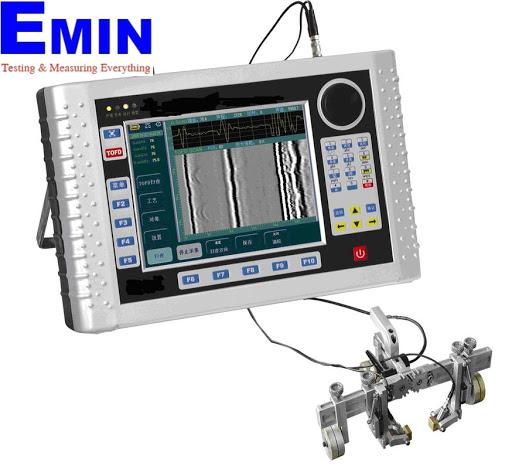
Why inspection service matters for ultrasonic flaw detectors
Ultrasonic flaw detectors are used to identify internal discontinuities, reflectors, and material changes without damaging the test object. In practice, these instruments support critical decisions about weld quality, component integrity, and serviceability. That is why equipment inspection service plays an important role in maintaining confidence in test results.
Over time, portable and bench-type UT devices can be affected by wear, connector issues, display problems, signal instability, or general drift in operating condition. An inspection service helps assess whether the instrument still performs as expected in real working conditions, especially when it is used frequently across different sites, operators, and test procedures.
Typical scope of service
For this category, the focus is on inspection support for ultrasonic flaw detectors rather than destructive evaluation or material testing itself. The service generally relates to checking the condition and operational readiness of the instrument so users can continue working with better traceability and lower uncertainty in day-to-day NDT tasks.
Depending on the device and service workflow, this may involve reviewing the overall instrument condition, functional behavior, signal response, interface operation, and other factors relevant to practical use. For teams managing a broader fleet of NDT equipment, this category also fits naturally within a wider ultrasonic flaw detector inspection service planning process for periodic maintenance and quality control.
Common applications and user needs
Inspection service for ultrasonic flaw detectors is relevant in industries where internal defect detection is part of routine quality assurance. This includes metal fabrication, welding inspection, machinery maintenance, utilities, and plant shutdown support. In these environments, users often need assurance that the instrument remains dependable before it is taken into production lines, workshops, or field jobs.
It is also useful for organizations that operate under internal QA procedures, customer audit requirements, or documented maintenance schedules. When a flaw detector is used to support acceptance decisions, repair verification, or repeated inspections over long periods, checking its operating condition becomes part of a more disciplined NDT quality workflow.
Supported brands and examples in this category
This category covers service requests associated with widely used ultrasonic flaw detector brands. Examples available here include equipment-related service options for Krautkramer, ELCOMETER, PCE, PROCEQ, SONOTEC, Dakota, NOVOTEST, OKO, STARMANS, and T-measurement.
Representative entries in this category include Krautkramer Ultrasonic Flaw Detector Inspection Service, ELCOMETER Ultrasonic Flaw Detector Inspection Service, PCE Ultrasonic Flaw Detector Inspection Service, PROCEQ Ultrasonic Flaw Detector Inspection Service, and Dakota Ultrasonic Flaw Detector Inspection Service. These examples help users identify service coverage by manufacturer while keeping the selection process aligned with the actual device they operate.
How to choose the right service request
When selecting a service option, the first step is to match the request to the actual instrument brand and intended inspection need. If your team uses multiple UT devices across sites, it is a good idea to prepare the brand name, equipment identification, and a brief description of the issue or maintenance objective before submitting the request.
It is also helpful to consider how the instrument is used in the field. A flaw detector exposed to frequent transport, heavy industrial environments, or high utilization may require more regular checks than a unit used occasionally in a controlled laboratory setting. For buyers comparing broader NDT support services, related categories such as handheld X-ray fluorescence spectrometer inspection service can be relevant when managing multiple inspection technologies in one program.
Benefits for maintenance, compliance, and workflow continuity
A structured inspection service helps users identify potential issues before they affect production or field inspection schedules. This can improve planning for maintenance windows, reduce unexpected interruptions, and support better lifecycle management of NDT equipment. For service companies and in-house inspection teams alike, keeping flaw detectors in suitable working condition is part of protecting both productivity and result quality.
There is also a practical documentation benefit. Even when the main goal is simply to confirm equipment condition, service records can help support internal maintenance systems and more consistent asset tracking. In organizations where several brands are used side by side, this creates a more manageable framework for inspection readiness across the full equipment fleet.
Brand ecosystem and service planning
Users often standardize around familiar UT brands based on application history, operator preference, and existing procedures. That is why this category includes service options tied to established manufacturers such as Krautkramer, ELCOMETER, PCE, PROCEQ, SONOTEC, and Dakota. If your organization works with a mixed installed base, grouping service requests by brand can simplify administration and reduce delays.
For those reviewing manufacturer-specific equipment portfolios, brand pages such as PROCEQ may also help when identifying related devices within the same inspection ecosystem. This is especially useful for procurement teams or maintenance coordinators handling replacement planning, service history review, and future instrument standardization.
Choosing service with long-term equipment reliability in mind
An ultrasonic flaw detector is often used in situations where dependable signal interpretation matters directly to product quality and asset integrity. A suitable inspection service supports that responsibility by helping verify that the instrument remains ready for use, especially in environments where traceability, repeatability, and operational confidence are important.
If you are maintaining one unit or coordinating service for a larger NDT fleet, this category provides a focused starting point for ultrasonic flaw detector inspection needs across major brands. Selecting the right service entry can make routine equipment management more consistent and help keep your testing workflow aligned with real operational demands.
Get exclusive volume discounts, bulk pricing updates, and new product alerts delivered directly to your inbox.
By subscribing, you agree to our Terms of Service and Privacy Policy.
Direct access to our certified experts