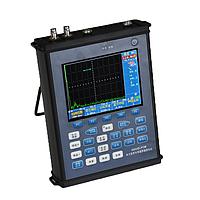
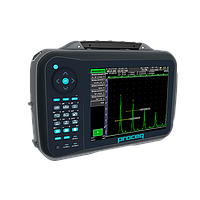
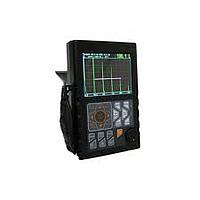
Non-Destructive tester Inspection Service
When inspection equipment is used to verify weld quality, detect internal defects, or support material analysis, its own condition directly affects the reliability of the results. A well-planned Non-Destructive tester Inspection Service helps users check whether instruments remain suitable for routine field work, quality control tasks, and technical reporting in industrial environments.
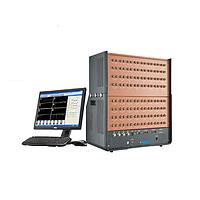
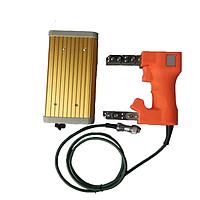
This category focuses on inspection services for non-destructive testing equipment used in maintenance, production, and asset integrity programs. It is especially relevant for organizations that depend on portable NDT instruments and need a practical way to review equipment condition, performance consistency, and service readiness before those tools are sent back into operation.
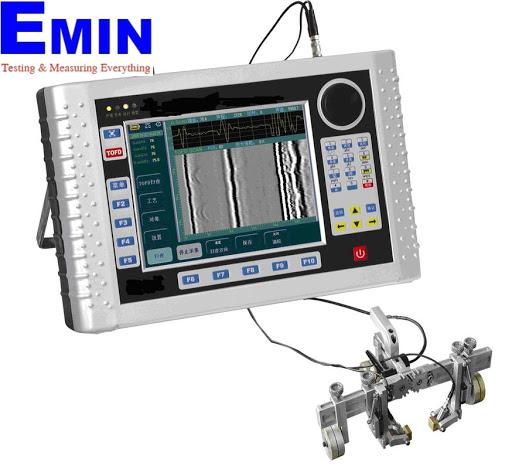
Why inspection service matters for NDT equipment
Non-destructive testing instruments are often exposed to demanding working conditions, including workshop dust, outdoor job sites, frequent transport, and repetitive use by multiple operators. Over time, these factors can affect connectors, displays, controls, probes, housings, and overall measurement stability. An inspection service is useful for identifying visible wear, operational issues, and signs that a unit may need further evaluation or maintenance.
For many B2B users, the goal is not only to keep equipment running, but to maintain confidence in inspection workflows. This is particularly important when NDT devices are used as part of broader quality systems together with services such as electrical and electronic meter inspection service or mechanical measuring instruments inspection service.
Equipment typically covered in this category
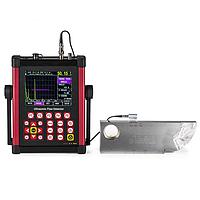
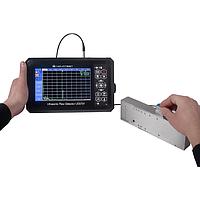
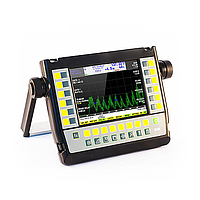
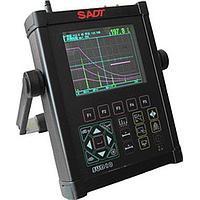
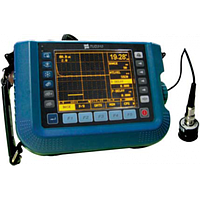
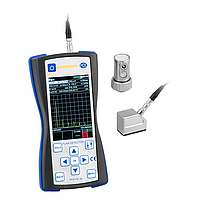
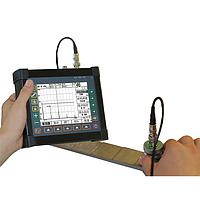
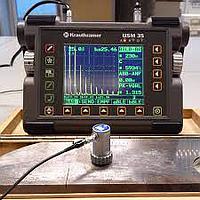
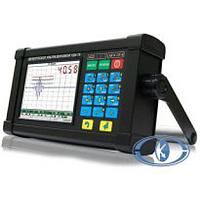
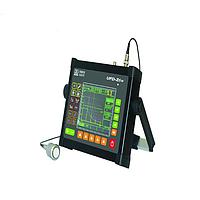
This category is centered on non-destructive testers, with ultrasonic flaw detector service being one of the most visible application areas. In practice, these instruments are commonly used to assess internal flaws, discontinuities, or material irregularities without damaging the test piece. Inspection service for this type of equipment supports users who need dependable instrument status before field deployment or scheduled testing work.
Representative service entries in this category include the Krautkramer Ultrasonic Flaw Detector Inspection Service, ELCOMETER Ultrasonic Flaw Detector Inspection Service, PCE Ultrasonic Flaw Detector Inspection Service, PROCEQ Ultrasonic Flaw Detector Inspection Service, SONOTEC Ultrasonic Flaw Detector Inspection Service, and Dakota Ultrasonic Flaw Detector Inspection Service. These examples show the breadth of supported equipment across widely used NDT brands rather than suggesting identical service scope for every unit.
Typical checks performed during inspection
The exact inspection process may vary by device type and condition, but it generally aims to review the instrument as a working asset rather than simply list its model information. Common attention points can include physical condition, display and keypad response, port condition, battery or power behavior, accessory fit, and basic operational status. For portable NDT tools, handling damage and connection reliability are often just as important as the core measurement function.
Instruments used for ultrasonic testing may also require attention to probe interfaces, signal-related behavior, and the practical usability of the unit in real inspection settings. The purpose of an inspection service is to help identify whether the tester appears ready for continued use, whether it shows signs of abnormal wear, or whether the unit should proceed to more specialized service steps.
- Visual condition review of housing, screen, keys, and connectors
- Functional checking of core operating response and user interface behavior
- Accessory and connection assessment where relevant to the instrument setup
- General serviceability review to support maintenance planning
How to choose the right service for your tester fleet
Selection usually starts with the type of NDT equipment in use and the role it plays in your workflow. A unit used occasionally in a controlled lab may need a different service schedule from one used daily on construction sites, fabrication lines, or shutdown maintenance programs. It is also helpful to consider whether the instrument is a frontline production tool, a backup unit, or part of a larger inspection team’s shared equipment pool.
Brand-specific familiarity can also matter, especially for established product lines from manufacturers such as Krautkramer, ELCOMETER, PROCEQ, PCE, SONOTEC, or Dakota. If your operation relies on several device classes, it may also be practical to review related categories such as specialty meters inspection service to align internal service planning across departments.
Examples of supported ultrasonic flaw detector service
Users looking through this category will find multiple brand-based service options that reflect common equipment in the field. Examples include NOVOTEST Ultrasonic Flaw Detector Inspection Service, OKO Ultrasonic Flaw Detector Inspection Service, STARMANS Ultrasonic Flaw Detector Inspection Service, and T-measurement Ultrasonic Flaw Detector Inspection Service. These listings help buyers quickly identify service coverage that matches the equipment they already own.
In many organizations, ultrasonic flaw detectors are part of a broader non-destructive testing workflow that may also include material analysis devices and other portable inspection tools. Grouping these services under one category makes it easier for procurement, maintenance, and QA teams to coordinate support activities without treating each instrument as an isolated case.
Who benefits from non-destructive tester inspection services
This category is relevant for manufacturers, fabrication shops, inspection contractors, maintenance teams, laboratories, and asset owners that depend on reliable NDT instruments. It is also useful for companies managing shared equipment across multiple projects, where standardized service handling can reduce uncertainty and improve operational readiness.
Inspection services are particularly valuable when instruments are reassigned between technicians, returned from field jobs, or prepared for audits and quality reviews. In these cases, a structured review of the equipment’s condition supports better decisions about continued use, storage, maintenance, or replacement planning.
Supporting a more reliable inspection workflow
A strong NDT process depends on more than operator skill alone. The condition of the instrument, its accessories, and its day-to-day usability all contribute to efficient inspections and dependable results. Choosing the right non-destructive testing equipment service helps organizations reduce avoidable downtime and maintain better control over their inspection assets.
If your team works with ultrasonic flaw detectors or related portable NDT instruments, this category provides a practical starting point for brand-matched service options from names such as Krautkramer, ELCOMETER, PCE, PROCEQ, SONOTEC, Dakota, NOVOTEST, OKO, STARMANS, and T-measurement. Reviewing the available services carefully can help you match each instrument to the most appropriate support path and keep your testing workflow consistent over time.
Get exclusive volume discounts, bulk pricing updates, and new product alerts delivered directly to your inbox.
By subscribing, you agree to our Terms of Service and Privacy Policy.
Direct access to our certified experts