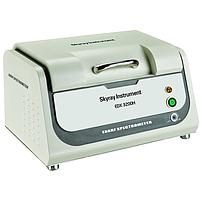
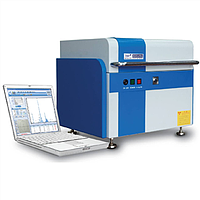
Handheld X-ray Fluorescence Spectrometer Inspection Service
When handheld XRF analyzers are used for alloy verification, incoming material checks, scrap sorting, or field inspection, stable performance matters as much as speed. A drift in measurement response, damaged hardware, or poor instrument condition can affect confidence in elemental analysis and lead to unnecessary rework. This is why a reliable Handheld X-ray Fluorescence Spectrometer Inspection Service is important for companies that depend on portable XRF in daily operations.
This service category is intended for organizations that need the operating condition of handheld XRF equipment reviewed in a practical, service-oriented way. Whether the instrument is used in manufacturing, metal processing, quality control, or on-site verification, inspection helps identify issues early and supports more consistent use of the device in real working environments.
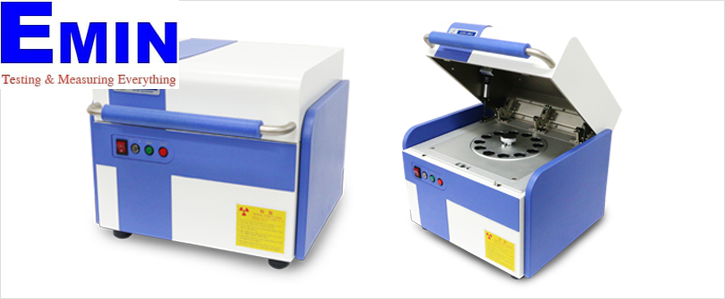
Why inspection matters for handheld XRF equipment
Portable XRF systems are designed for fast, non-destructive elemental analysis, but they also operate in demanding conditions. Repeated field handling, exposure to dust, vibration, surface contamination, and heavy usage can gradually affect the instrument body, trigger mechanism, screen condition, battery interface, and measurement stability. Regular inspection helps users understand whether the analyzer remains suitable for routine testing tasks.
For B2B users, this is not only a maintenance concern but also a workflow issue. When handheld XRF devices are part of receiving inspection, positive material identification, or process verification, unexpected downtime can interrupt production and delay decisions. A structured inspection approach can help reduce risk before performance problems become more serious.
What this service category typically supports
A handheld XRF inspection service generally focuses on the overall condition of the analyzer and its readiness for continued use. This may include visual review, functional checks, and assessment of key operating parts that influence day-to-day usability. The goal is not to overstate the scope, but to provide a practical evaluation that helps users understand the current state of their equipment.
Because handheld XRF analyzers combine electronics, X-ray generation, detectors, software control, and portable power systems, service evaluation often needs to consider the device as a complete field instrument rather than as a single component. For facilities managing broader non-destructive testing workflows, related service needs may also overlap with ultrasonic flaw detector inspection depending on the inspection methods used on site.
Common use cases in industrial environments
Many companies rely on handheld XRF for quick material decisions where laboratory turnaround is not practical. Typical use cases include alloy grade confirmation, raw material verification, warehouse control, fabrication support, and field service work. In these environments, users need the instrument to remain dependable, easy to operate, and suitable for repeated measurements across different locations.
Inspection services are especially relevant when equipment is shared between teams, used outdoors, or deployed on demanding production floors. In such cases, a periodic check can help confirm whether the analyzer is still functioning as expected and whether any wear, handling damage, or operational issue should be addressed before it affects productivity.
Examples of supported brands and service references
This category includes service references for handheld XRF equipment from manufacturers such as Skyray Instrument and ISP. Depending on the installed base in your facility, this can help users navigate service options with clearer brand context while still focusing on the practical need: keeping portable analyzers in workable condition.
Representative entries in this category include the Skyray Instrument Handheld X-ray Fluorescence Spectrometer Inspection Service and the ISP Instrument Handheld X-ray Fluorescence Spectrometer Inspection Service. These examples show the type of equipment covered, rather than acting as the only possible service pathway for every operational scenario.
How to evaluate the right inspection service
Choosing an inspection service is easier when it is tied to your actual use case. Start by considering how the analyzer is used: occasional verification, high-frequency receiving inspection, field PMI, or mixed industrial applications. Usage intensity often affects how often equipment should be checked and what kind of findings are most relevant to maintenance planning.
It is also useful to think about symptoms rather than only service intervals. If users notice inconsistent readings, physical wear, charging issues, unstable operation, or concerns after transport or impact, an inspection can provide a more informed basis for next steps. For teams comparing broader options within the same service group, the dedicated handheld XRF inspection service category helps narrow the scope to this specific equipment type.
Where this service fits in an NDT and quality workflow
Handheld XRF is often one part of a larger inspection ecosystem that may include other non-destructive or quality assurance tools. In many industrial operations, portable analyzers support fast screening and material confirmation, while other test methods are used for internal defect detection, dimensional verification, or process control. Keeping each device category in suitable condition helps maintain a smoother inspection chain overall.
From a planning perspective, inspection service is also useful for companies that want better visibility into equipment status across multiple sites or teams. Instead of waiting for obvious failure, a periodic review supports more predictable scheduling for service, replacement decisions, and operational continuity.
Practical value for purchasing and maintenance teams
For procurement, maintenance, and quality departments, service categories like this make it easier to identify a relevant support path for existing equipment. Rather than treating handheld analyzers as disposable field tools, inspection encourages a more controlled lifecycle approach. That can be helpful when managing equipment records, internal audits, or service planning across a fleet of instruments.
It also improves communication between technical users and decision-makers. Operators may report performance concerns in practical terms, while service inspection creates a clearer basis for evaluating condition, prioritizing action, and aligning maintenance needs with production requirements.
Final considerations
Choosing a suitable inspection service for handheld XRF equipment is ultimately about protecting measurement confidence, reducing unexpected interruptions, and supporting better day-to-day use of portable analyzers. For businesses that depend on fast elemental analysis in the field or on the shop floor, regular review of instrument condition can be a sensible part of broader asset care.
If your operation uses analyzers from Skyray Instrument, ISP, or similar portable XRF platforms in this category, this page provides a focused starting point for identifying relevant service options. A well-matched inspection process helps keep handheld XRF tools ready for practical industrial work without adding unnecessary complexity.
Get exclusive volume discounts, bulk pricing updates, and new product alerts delivered directly to your inbox.
By subscribing, you agree to our Terms of Service and Privacy Policy.
Direct access to our certified experts