Truck Scale Inspection Service
Reliable weighing at the truck scale is critical for shipping control, raw material receiving, inventory accuracy, and commercial transactions. When a weighing system handles heavy vehicle traffic every day, regular inspection helps verify that the scale is performing consistently and that measurement errors do not quietly affect operations over time.
Truck Scale Inspection Service is intended for businesses that depend on dependable weight data in logistics yards, industrial plants, warehouses, agricultural facilities, and bulk material handling sites. A proper inspection supports confidence in daily weighing results, helps identify potential issues early, and provides a practical basis for maintenance or corrective action when needed.
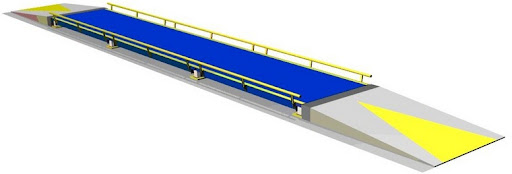
Why truck scale inspection matters
Truck scales operate in demanding environments where heavy loads, vibration, weather exposure, dirt buildup, and frequent use can all influence performance. Even when a scale appears to be functioning normally, small deviations can create meaningful discrepancies in billing, material reconciliation, or inbound and outbound weight control.
A scheduled inspection focuses on the overall condition of the weighing system, helping users assess whether the platform, weighing components, and related elements remain suitable for accurate operation. For sites that use weighing data as part of quality control, production planning, or transaction records, this type of service is an important part of measurement reliability.
What is typically evaluated during the service
A truck scale inspection generally looks at both the mechanical and measurement-related condition of the system. This may include checking the scale structure, load-bearing areas, movement restrictions, visible wear, and signs of environmental influence that could affect weighing performance.
The service also helps review whether the scale is responding consistently during use and whether there are indications that adjustment, repair, or further verification may be required. In many industrial environments, inspection is not only about finding faults but also about maintaining stable operation and reducing unexpected downtime in the weighing process.
Suitable applications across industrial sites
This service is relevant wherever vehicle weighing is part of the operating workflow. Common use cases include inbound raw material receiving, outbound product dispatch, waste management, agricultural collection points, mining support activities, and logistics hubs where truck weights are used for process control or transaction support.
Compared with smaller weighing equipment, truck scales carry a different operational risk because each measurement often affects higher-value loads and more complex workflows. If your facility also uses other types of scales for internal handling or laboratory support, related services such as floor scale inspection or precision scale inspection may be relevant for a broader weighing management plan.
How inspection supports operational control
In practice, a truck scale is often connected to more than just a weighing platform. It supports dispatch accuracy, stock reconciliation, supplier and customer documentation, and internal reporting. An inspection helps confirm that the system remains aligned with the operational needs of the site and that weighing data can continue to support routine decisions with fewer uncertainties.
This is especially important in facilities where large material flows are tracked by weight. When a scale drifts or develops a mechanical issue, the impact may not be obvious immediately. Regular review helps detect warning signs earlier, allowing maintenance teams and operators to respond before the issue becomes more disruptive.
Service option from CAS
For users working with CAS weighing equipment, the available CAS Electronic Truck Scale Inspection Service provides a category-specific option for maintaining oversight of truck scale performance. It is particularly relevant for sites that want a clear service path tied to their existing weighing equipment environment.
When evaluating a service option, it is useful to consider the scale’s operating frequency, environmental conditions, loading pattern, and the importance of the measured data to business processes. These practical factors often determine how often inspection should be planned and how quickly any identified issue should be addressed.
Choosing the right inspection scope
Not every weighing application requires the same level of attention. A truck scale used in harsh outdoor conditions with continuous vehicle traffic will typically face different challenges than a lower-duty system. Selecting the right inspection approach starts with understanding how the scale is used, what level of accuracy the process depends on, and how costly an undetected weighing error could be.
It is also useful to look at the wider weighing ecosystem within the facility. Some operations combine vehicle weighing with suspended loads or specialized laboratory measurements, making related services such as crane scale inspection or analyzer scale inspection part of the same quality and maintenance strategy.
What to consider before scheduling
Before arranging an inspection, it helps to review the scale’s service history, recent weighing irregularities, physical condition, and any process complaints linked to measurement results. Signs such as inconsistent readings, unusual platform behavior, or repeated operator concerns may indicate that inspection should be prioritized.
Facilities with demanding throughput often benefit from planning inspections proactively rather than waiting for visible failure. This approach supports preventive maintenance, improves confidence in weighing records, and can reduce interruption to logistics or production activities.
Supporting long-term weighing performance
Truck scale inspection is not only about checking a single piece of equipment at one point in time. It is part of a broader effort to maintain stable weighing performance across industrial operations where weight data directly affects cost control, traceability, and process efficiency.
If your site relies on vehicle weighing for daily operations, a structured inspection service can help you better understand the condition of the scale, identify areas that need attention, and support more reliable use over the long term. Choosing the appropriate service for your equipment and operating environment is a practical step toward maintaining consistent results.
Get exclusive volume discounts, bulk pricing updates, and new product alerts delivered directly to your inbox.
By subscribing, you agree to our Terms of Service and Privacy Policy.
Direct access to our certified experts