Kalium Meter Repair Service
When potassium measurement starts to drift, respond slowly, or fail during routine testing, the impact goes beyond one instrument. In laboratories, water analysis, process monitoring, and quality control workflows, unreliable readings can delay decisions and create uncertainty in reported results. A professional Kalium Meter Repair Service helps restore measurement stability and keeps essential testing equipment usable for daily work.
This service category is intended for users who need practical support for potassium meters used in technical and industrial environments. Whether the issue involves unstable values, display problems, sensor communication, power faults, or general wear after long-term use, repair work should focus on diagnosing the root cause and bringing the instrument back to dependable operation.
Why potassium meter repair matters in routine measurement work
Potassium meters are often used where measurement consistency matters more than a single isolated reading. In many applications, users need repeatable data for comparison, process checks, or ongoing sample evaluation. When an instrument begins to show abnormal behavior, replacing it immediately may not be the most practical option, especially if the existing device is still suitable for the workflow.
Repair service can help extend equipment life, reduce unnecessary replacement costs, and support continuity in established testing procedures. It is also relevant when operators are already familiar with a specific platform and want to keep that instrument in service instead of changing methods or retraining teams.
Common issues that may require repair
Potassium meters can develop faults gradually or fail unexpectedly after transport, heavy use, storage conditions, or electrical issues. Typical symptoms include unstable readings, slow response, calibration difficulties, intermittent button or touchscreen operation, charging problems, or communication errors between the meter and connected measurement components.
In some cases, the issue may not be obvious from the outside. A meter can still power on but produce results that are inconsistent from sample to sample. That is why diagnostic inspection is an important part of the repair process. A proper evaluation helps determine whether the problem comes from the main unit, electronic components, connectors, measurement input, or general internal deterioration.
Service coverage for leading instrument brands
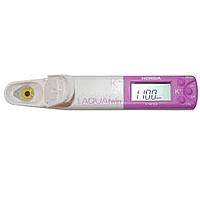
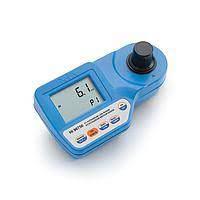
This category includes repair support for selected instruments from established manufacturers such as HORIBA and HANNA. Brand-specific familiarity can be important in repair work because instrument architecture, interface behavior, and component layout may differ across product lines.
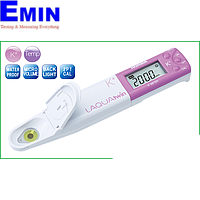
Representative services in this category include the HORIBA Kalium Meter Repair Service and the HANNA Kalium Meter Repair Service. These references help illustrate the scope of supported equipment while keeping the focus on practical service needs rather than just product listing. For B2B users, this is especially useful when maintenance planning involves multiple instruments across a lab or production site.
What to consider before sending a meter for repair
Before arranging service, it is helpful to document the symptoms as clearly as possible. Notes such as error messages, reading instability, power behavior, environmental conditions, and the circumstances in which the fault appeared can make troubleshooting more efficient. If the issue is intermittent, even a short description of when it occurs can save time during technical inspection.
Users should also consider the instrument’s role in the process. If the meter supports critical testing, planning for backup equipment may be necessary while repair is underway. In facilities where several analytical devices are maintained together, it may also be useful to review related service categories such as water activity meter repair or dew point meter repair when broader maintenance needs exist.
How repair support fits into instrument lifecycle management
For many organizations, repair is part of a larger equipment maintenance strategy. Instruments used in environmental and analytical measurement are often expected to operate over long periods, and performance can be affected by handling conditions, frequency of use, and storage practices. Repair services help bridge the gap between day-to-day operation and longer-term replacement planning.
Instead of treating faults as isolated events, many technical teams evaluate repair in the context of uptime, service history, and process risk. A meter that can be restored efficiently may continue to serve well in routine applications, while repeated failures may signal the need for a broader asset review. In either case, structured repair support gives users clearer information for decision-making.
Choosing the right repair path for your application
The right service approach depends on how the potassium meter is used and how critical the measurement result is to the operation. A device used occasionally for spot checks may have different service priorities than one supporting regular laboratory throughput or production-related testing. Turnaround expectations, fault severity, and equipment age can all influence the next step.
It is also useful to distinguish between accessory-related issues and core instrument faults. Cables, connectors, external damage, and power accessories may affect operation, but the meter itself may still require inspection to confirm overall condition. Clear service categorization helps buyers, maintenance teams, and technical staff identify the most relevant support option without unnecessary delays.
Related repair needs across environmental instruments
Facilities that rely on multiple portable or bench measurement devices often encounter similar service challenges across different instrument types. Screen failures, keypad wear, unstable readings, and charging issues are not unique to potassium meters. When maintenance is planned across a wider instrument fleet, it can be useful to review related categories such as light meter repair service alongside potassium meter support.
Looking at repair requirements in a broader way can improve service coordination and reduce operational interruptions. This is particularly relevant in laboratories, utilities, technical service companies, and industrial sites where several environmental measurement instruments are used in parallel.
Support a more reliable measurement workflow
A well-targeted repair service helps restore confidence in instruments that are still important to your testing process. For users working with HORIBA, HANNA, or similar potassium measurement platforms covered in this category, repair support can be a practical step toward maintaining continuity, controlling costs, and reducing avoidable downtime.
If your meter is showing abnormal behavior or no longer performs as expected, reviewing the available repair service options in this category is a sensible place to start. The goal is not simply to fix a device, but to return a critical measurement tool to dependable use within your actual operating environment.
Get exclusive volume discounts, bulk pricing updates, and new product alerts delivered directly to your inbox.
By subscribing, you agree to our Terms of Service and Privacy Policy.
Direct access to our certified experts