Water Hardness Tester Repair Service
When water quality measurements start to drift, maintenance teams and laboratories often face a difficult choice: trust questionable results or take the instrument out of service. For hardness testing, even a small reading error can affect chemical dosing, process control, compliance checks, and product quality. A professional Water Hardness Tester Repair Service helps restore measurement reliability so the instrument can return to daily use with greater confidence.
This service category is intended for users working with portable and benchtop hardness testing instruments used in utilities, industrial water treatment, environmental monitoring, laboratories, and facility management. Whether the issue involves unstable readings, display faults, response problems, damaged optical components, or general wear from field use, repair support is an important part of keeping test equipment productive over time.
Why water hardness tester repair matters
Water hardness measurement is closely tied to the concentration of calcium and magnesium ions, and the data is often used to guide treatment decisions. If a tester no longer responds correctly, gives inconsistent values, or takes too long to stabilize, the downstream impact can extend beyond the instrument itself. Incorrect hardness data may lead to scaling risk, inefficient chemical consumption, or poor control of water-related processes.
Repair is therefore not only about fixing a device that no longer powers on. It is also about restoring measurement stability, normal operation, and dependable use in real working conditions. For organizations that rely on routine sampling, timely service can reduce downtime and help extend the practical lifespan of existing equipment.
Common issues seen in hardness testing instruments
Instruments used for hardness analysis may be affected by electrical, mechanical, optical, or user-interface problems. Typical symptoms include intermittent startup, keypad failure, broken connectors, slow response, unexpected error messages, or readings that appear inconsistent from one sample to the next. Portable units may also suffer from battery compartment damage, contamination, and wear caused by transport and field handling.
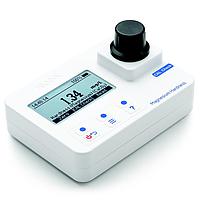
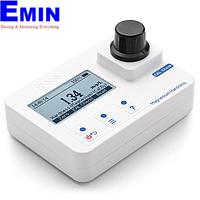
Photometric models can be especially sensitive to contamination, aging internal parts, and physical shock. For example, the Hanna Magnesium Hardness Photometer Repair Service is relevant for users who need support with a dedicated hardness photometer from HANNA. In these cases, repair work generally focuses on bringing the instrument back to stable operation rather than replacing equipment prematurely.
What a repair service typically covers
A structured repair process usually begins with an inspection to identify the fault and verify the overall condition of the tester. This may involve checking power functions, display behavior, button response, signal consistency, optical performance where applicable, and other operating conditions related to the type of instrument. The goal is to distinguish between a simple fault, progressive wear, and problems that affect the quality of the measurement result.
From there, service may include troubleshooting, corrective repair, replacement of failed internal parts where appropriate, and confirmation that the unit is functioning normally again. For users operating equipment from HANNA, service support is particularly relevant when the instrument remains valuable in daily work and repair offers a practical alternative to replacement.
Choosing the right repair path for your application
Not every hardness tester is used in the same environment. Some are part of routine laboratory checks, while others are carried into plant rooms, cooling systems, boiler treatment areas, or environmental sampling points. The right repair approach depends on how the instrument is used, how critical the data is, and whether the problem affects operation only or also undermines result accuracy.
Before sending a unit for service, it is helpful to note the symptoms clearly: when the fault appears, whether it is constant or intermittent, what type of samples are being tested, and whether the problem began after impact, contamination, storage, or battery issues. This information can support faster diagnosis and a more efficient service workflow.
How repair supports long-term equipment management
In many B2B environments, instrument ownership is part of a broader maintenance strategy. Repair services help organizations control cost, reduce unnecessary procurement, and keep familiar devices in operation. This is especially useful when technicians already have established test methods and workflows built around a specific instrument platform.
A practical repair program also improves equipment planning. Instead of waiting for total failure, teams can address early signs of degradation, schedule service more effectively, and reduce disruption to testing routines. For sites using multiple environmental instruments, related support may also be relevant, such as water activity meter repair or dew point meter repair for other measurement tasks in the same maintenance ecosystem.
When to consider repair instead of replacement
Repair is often worth considering when the tester still fits the application, the operator is familiar with the workflow, and the fault appears limited to a serviceable issue. This can be the case with display problems, power instability, connection faults, or degraded internal performance that does not necessarily mean the entire instrument has reached end of life.
Replacement may be evaluated separately when damage is extensive or when operational needs have changed significantly. However, for many users, repairing a trusted hardness tester remains a sensible option, especially when the instrument is part of routine process control and downtime needs to be minimized. The main objective is to restore reliable operation with a service path that matches the value of the instrument and the importance of the measurement.
Related repair needs across environmental instrumentation
Water hardness testing is only one part of environmental and process measurement. Facilities that maintain several portable or benchtop instruments often benefit from reviewing service requirements across the full instrument fleet. In addition to hardness testers, some organizations may also need light meter repair services or support for radiation, heat, stress, solar, and UV meter repair depending on their monitoring scope.
Looking at repair needs in a broader way can simplify service coordination and reduce unexpected downtime across departments. It also helps maintenance and quality teams keep instruments aligned with the operational demands of field inspection, environmental testing, and industrial monitoring.
Support for dependable hardness testing
Choosing a suitable repair service for a water hardness tester is ultimately about protecting the value of the instrument and the decisions based on its readings. A well-handled repair can restore usability, improve consistency, and help maintain continuity in testing routines without changing established workflows unnecessarily.
If your hardness tester is showing unstable behavior, operational faults, or signs of wear, this category provides a focused path for evaluating repair options. For many industrial and laboratory users, that is a practical step toward keeping water quality measurement dependable and efficient.
Get exclusive volume discounts, bulk pricing updates, and new product alerts delivered directly to your inbox.
By subscribing, you agree to our Terms of Service and Privacy Policy.
Direct access to our certified experts