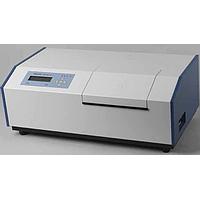
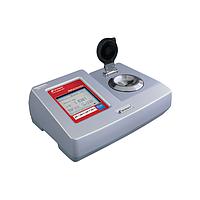
Polarimeter Repair Service
Accurate optical measurement depends heavily on instrument condition, especially when laboratories rely on polarimetry for concentration checks, purity control, and quality verification. When a unit begins to drift, fails to stabilize, or shows mechanical or optical issues, a professional Polarimeter Repair Service helps restore dependable performance and reduce the risk of incorrect analytical results.
This category is intended for laboratories, quality control teams, and industrial users looking for support with faulty or underperforming polarimeters. Whether the issue involves the light source, optics, sample chamber, display, or general instrument response, repair work should focus on returning the instrument to reliable working condition while respecting the original design of the equipment.
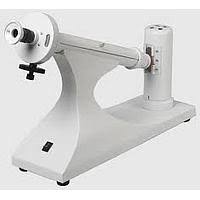
Why polarimeter repair matters in laboratory workflows
Polarimeters are used where small measurement deviations can affect product release decisions, process consistency, or research conclusions. In pharmaceutical, food, chemical, and academic environments, an instrument that no longer reads correctly can create unnecessary rework, delays, or uncertainty in documented results.
A structured repair service is valuable not only when an instrument stops working completely, but also when performance gradually declines. Common service needs may arise from unstable readings, optical contamination, worn components, display faults, alignment problems, or aging electronic parts. Addressing these issues early often helps extend equipment life and supports more consistent day-to-day use.
Typical situations that indicate service may be needed
Many polarimeter problems appear first as changes in usability rather than total failure. Operators may notice slow startup, irregular zeroing, fluctuating readings, unclear displays, or a response that no longer matches expected samples. In other cases, the instrument powers on but measurement confidence becomes difficult to maintain.
Mechanical wear, contamination in the optical path, sample tube handling damage, and general aging of internal assemblies can all affect operation. For this reason, repair evaluation should consider both the visible symptom and the underlying cause, rather than simply treating the most obvious fault.
For laboratories managing several types of analytical equipment, service planning is often handled across multiple instrument groups. Related support categories such as water bath repair service or rotary evaporator repair service may also be relevant when maintaining a broader lab setup.
What a professional repair scope usually covers
A proper laboratory equipment repair service for polarimeters generally begins with inspection and fault diagnosis. This stage helps determine whether the issue originates from optics, illumination, electronics, control functions, user interface components, or sample handling areas. A clear diagnosis is especially important for instruments that show intermittent faults.
Depending on the condition of the unit, service may include cleaning of critical internal areas, replacement of failed parts, correction of alignment-related issues, restoration of display or control functions, and verification that the instrument responds normally after repair. The goal is not just to make the unit power on again, but to recover stable and usable operation for laboratory work.
Support for ATAGO polarimeters
Many buyers search specifically for service options for ATAGO instruments, especially in laboratories that already use this brand for routine optical measurement. Within this category, the available representative service offering is ATAGO Polarimeter Repair Service, which can serve as a practical reference point for users seeking repair support for affected units.
Brand-specific service is often important because optical instruments may have manufacturer-dependent layouts, interfaces, and component structures. Even when symptoms appear familiar across different devices, the actual repair approach should still match the architecture of the instrument being serviced.
How to choose the right repair service
When selecting a repair option, it is useful to prepare the basic fault information in advance. Typical details include the observed error, whether the unit powers on, whether readings drift or remain blank, and whether the issue appeared suddenly or developed over time. This helps speed up the initial evaluation and improves communication between the user and the service team.
It is also worth considering the operating context of the instrument. A polarimeter used in routine quality control may require quick return to service, while a unit used in regulated or method-sensitive work may require closer attention to post-repair verification. In either case, the most effective repair path is one that fits both the technical condition of the device and the laboratory’s application needs.
Repair service as part of broader lab equipment maintenance
Polarimeters rarely operate in isolation. In many laboratories, they are part of a larger analytical environment that includes temperature-controlled equipment, safety enclosures, and sample preparation systems. Treating repair as part of a wider maintenance strategy can help reduce downtime across the facility and improve equipment availability overall.
Organizations that manage multiple service needs may also review adjacent categories such as biosafety cabinet repair service or pharmacy refrigerator repair service when coordinating support for laboratory infrastructure.
When repair is the practical next step
If a polarimeter is showing unstable behavior, reduced accuracy confidence, or obvious hardware faults, repair is often the most practical next step before the problem affects more samples or interrupts routine work. Early service can help limit extended downtime and may prevent minor issues from developing into more serious damage.
This category is designed to help buyers find suitable support for optical instrument issues within the lab service environment. For teams using ATAGO equipment or troubleshooting a problematic unit, a focused repair assessment is the right starting point toward restoring dependable measurement performance.
Get exclusive volume discounts, bulk pricing updates, and new product alerts delivered directly to your inbox.
By subscribing, you agree to our Terms of Service and Privacy Policy.
Direct access to our certified experts