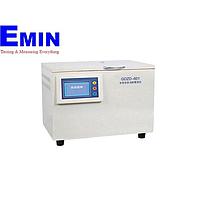
Shaker Repair Service
When a laboratory shaker starts running inconsistently, the impact is usually immediate: mixing quality changes, incubation conditions drift, and routine workflows become harder to trust. A reliable Shaker Repair Service helps restore stable operation, reduce downtime, and extend the working life of essential lab equipment used in research, quality control, and production support environments.
Shakers are used in many daily laboratory tasks, from sample agitation and media preparation to biological cultivation and general mixing. Because these units operate under continuous motion, their mechanical and electrical parts can gradually wear over time. Professional repair support is especially important when abnormal vibration, speed instability, noise, display faults, or control issues begin to affect performance.
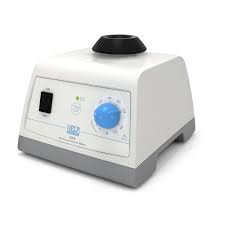
Why shaker repair matters in laboratory operations
A shaker is more than a simple moving platform. In many applications, it contributes directly to process consistency, repeatable sample treatment, and controlled operating conditions. Even small deviations in shaking speed or motion pattern can influence experimental outcomes, especially in procedures that depend on uniform mixing or sustained agitation over time.
Timely repair can help prevent larger failures and reduce the risk of workflow interruption. In regulated or high-throughput environments, service intervention is often needed not only to restore function but also to bring the equipment back to a condition suitable for dependable daily use.
Common issues seen in laboratory shakers
Shaker faults can appear gradually or without warning. Typical service cases include unstable speed, failure to start, irregular movement, excessive vibration, overheating, timer or control panel problems, and worn drive components. In some cases, the unit still runs but no longer maintains the set operating condition consistently.
Problems may also originate from switches, motors, internal electronics, sensors, or structural wear caused by long-term use. A proper repair approach should focus on identifying the root cause rather than only addressing the visible symptom. This is particularly important for shakers used in demanding lab schedules where repeatability matters.
Supported brands and service examples
This category covers repair support for a range of commonly used laboratory shaker brands. Examples include service for IKA, Lauda, STUART, Yamato, CRYSTE, DaiHan, SH Scientific, VELP, JSR, and Labstac equipment. Brand-specific familiarity can be helpful when diagnosing recurring faults, replacing worn parts, or checking control behavior after service.
Representative service listings in this category include IKA Sharking Machine Repair Service, Lauda Shaking Machine Repair Service, Yamato Sharking Machine Repair Service, VELP Sharking Machine Repair Service, and CRYSTE Shaking Machine Repair Service. These examples help illustrate the scope of service support across different equipment lines without limiting the category to only one manufacturer or model family.
What to consider when arranging shaker repair
Before requesting service, it is useful to note the shaker type, observed fault behavior, and the operating context in which the issue occurs. For example, a unit that fails only under load may point to a different issue than one that does not power on at all. Details such as unusual sound, intermittent stopping, or inaccurate speed response can help speed up troubleshooting.
It is also important to consider how the shaker is used in relation to the wider laboratory setup. If your process depends on multiple pieces of thermal or mixing equipment, coordinated maintenance planning may be beneficial. In that context, related support categories such as water bath repair service or rotary evaporator repair service may also be relevant.
Typical repair scope and service approach
A shaker service process often begins with inspection and fault assessment. This may involve checking mechanical movement, verifying electrical function, evaluating the control system, and testing overall operating stability. The goal is to restore the unit to a usable condition with attention to both function and reliability.
Depending on the condition of the equipment, service work may involve adjustment, component replacement, cleaning of critical assemblies, or functional verification after repair. For laboratory users, the most practical outcome is not just that the unit powers on again, but that it returns to a stable and predictable working state suitable for routine tasks.
How repair support helps extend equipment life
Replacing a laboratory shaker is not always the most practical first step, especially when the equipment remains structurally sound and still fits the application. A well-executed repair can restore useful service life and help organizations manage maintenance budgets more effectively. This is often valuable for laboratories running mixed equipment fleets from different manufacturers.
Repair also supports continuity. When teams are already familiar with a specific shaker platform, restoring the existing unit can be less disruptive than changing to another system. For laboratories using broader equipment sets, it may also be useful to review related service options such as pharmacy refrigerator repair where temperature-sensitive workflows are involved.
Choosing the right service category for your equipment
This category is intended for laboratories looking for repair support for shaker equipment used in routine mixing and agitation tasks. It is a good fit when the main need is restoring operation, diagnosing faults, or addressing wear-related issues on an existing shaker rather than sourcing a new device.
If your equipment portfolio includes branded systems from manufacturers such as Lauda, IKA, STUART, or Yamato, selecting a service page aligned with the equipment type can make the request process clearer and more efficient. It also helps ensure the discussion stays focused on the operational behavior, usage pattern, and repair priorities of the specific instrument.
Final notes
Laboratory shakers play a quiet but important role in day-to-day sample preparation and processing. When performance becomes unstable, professional repair support helps bring the equipment back into dependable service with less disruption to ongoing work.
Whether the issue involves motion, controls, power, or long-term mechanical wear, this category is designed to support practical maintenance needs for a wide range of lab shaker brands. Reviewing the available service options can help you identify the most appropriate path for restoring equipment function and maintaining workflow continuity.
Get exclusive volume discounts, bulk pricing updates, and new product alerts delivered directly to your inbox.
By subscribing, you agree to our Terms of Service and Privacy Policy.
Direct access to our certified experts