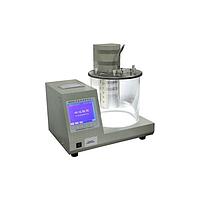
Viscometers Repair Service
When viscosity data starts drifting, repeatability drops, or a spindle no longer responds as expected, the issue is rarely just an inconvenience. In laboratories, quality control rooms, coatings inspection, food processing, and material testing environments, a viscometer directly affects product consistency and decision-making. A reliable Viscometers Repair Service helps restore measurement stability, reduce downtime, and extend the usable life of critical testing equipment.
This service category is intended for organizations using rotational and related viscosity measurement instruments that need troubleshooting, repair, and functional recovery. It is especially relevant when instrument behavior changes over time due to wear, contamination, sensor issues, drive problems, display faults, or handling damage.
Why viscometer repair matters in laboratory and production workflows
A viscometer is often part of a broader quality assurance process, where viscosity is used to verify batch uniformity, raw material condition, coating behavior, or fluid performance. When the instrument is not operating correctly, the problem can cascade into retesting, delayed release decisions, and uncertainty in recorded results. Repair work is therefore not only about fixing hardware, but also about supporting measurement confidence in daily operations.
Compared with replacing an instrument immediately, repair can be a practical option when the core unit remains serviceable and the fault is isolated to mechanical, electronic, or interface-related components. For many facilities, this approach helps maintain workflow continuity while preserving familiarity with existing test methods and accessories.
Common issues addressed by viscometer repair services
Symptoms vary depending on instrument design and usage conditions, but several patterns appear frequently in the field. These include unstable readings, failure to rotate properly, inconsistent speed control, abnormal noise, damaged connectors, power-related faults, or display and keypad problems. In some cases, the instrument powers on but no longer produces reliable test results under normal operating conditions.
Repair may also be needed after prolonged use in demanding environments where samples can leave residue, create mechanical drag, or affect moving parts. If the instrument is used alongside other temperature-controlled lab devices such as a water bath repair service, maintaining each part of the testing setup becomes important for consistent viscosity evaluation.
Supported brands and service examples
This category covers repair support for multiple established instrument lines used in industrial and laboratory settings. Typical examples include BROOKFIELD, ELCOMETER, PCE, RION, SEKONIC, TQCSheen, KMT, Malcom, Phase Analyzer ̣(PAC), and MStech. Each brand may use different drive systems, control layouts, or measurement architectures, so repair work should follow the logic of the specific instrument type rather than a one-size-fits-all approach.
Representative service listings in this category include BROOKFIELD Viscometer Repair Service, RION Viscometer Repair Service, Phase Analyzer ̣(PAC) Viscometer Repair Service, MStech Viscometer Repair Service, SEKONIC Viscometer Repair Service, ELCOMETER Viscometer Repair Service, PCE Viscometer Repair Service, TQCSheen Viscometer Repair Service, Malcom Viscometer Repair Service, and KMT Viscometer Repair Service. These examples help buyers identify brand-relevant support options while keeping the focus on the actual repair need.
What to consider before sending a viscometer for repair
Before arranging service, it is useful to document the fault clearly. Record the model, serial information if available, operating symptoms, recent handling events, and whether the issue appears continuously or only under certain test conditions. If the instrument shows unstable viscosity values, it is also helpful to note the sample type, spindle setup, test speed, and environmental conditions, since these details can assist with diagnosis.
Buyers should also distinguish between a fault in the instrument itself and issues caused by related equipment or workflow variables. For example, temperature instability, contaminated accessories, unsuitable sample preparation, or incorrect procedure settings can all affect apparent performance. A structured service request usually leads to faster assessment and more targeted repair recommendations.
Repair, maintenance, and verification in the same equipment ecosystem
In many laboratories, viscometers do not operate in isolation. They are part of a broader testing environment that may include refrigerated storage, heating devices, sample conditioning tools, and protected workspaces. That is why organizations often review service needs across multiple instruments at the same time, especially when preventive maintenance schedules are being planned.
If your site is also maintaining adjacent lab infrastructure, related service categories such as pharmacy refrigerator repair or biosafety cabinet repair may be relevant in the same maintenance cycle. This kind of coordinated approach can help reduce service interruptions across the laboratory as a whole.
How repair services support long-term equipment performance
A well-executed repair should do more than restore power or motion. It should address the underlying cause of failure, identify worn or affected areas, and return the instrument to a condition suitable for dependable use. For viscosity testing, this is particularly important because small performance deviations can have a direct effect on product evaluation, process control, and comparative testing.
Over time, regular service planning can reduce emergency failures and improve asset utilization. Facilities that rely on viscosity testing for routine production release, incoming material inspection, or R&D screening often benefit from combining repair response with broader maintenance discipline. In the same way, other temperature and sample-preparation devices may require support through services such as rotary evaporator repair when they are part of the same analytical workflow.
Choosing the right repair path for your viscometer fleet
Not every fault requires the same level of intervention. Some cases involve basic electrical or mechanical restoration, while others may need deeper troubleshooting due to repeated measurement drift, intermittent faults, or damage caused by heavy usage. The right repair path depends on the instrument condition, the criticality of the application, and whether the viscometer is still central to current operating procedures.
For buyers managing mixed-brand equipment fleets, brand familiarity can also be an important factor. Service references related to BROOKFIELD, RION, ELCOMETER, PCE, or other supported lines can help narrow the request and align the repair process with the installed instrument base. This is especially useful in B2B environments where documentation, traceability, and turnaround planning all matter.
Final note
Reliable viscosity measurement depends on instruments that are mechanically sound, electronically stable, and suitable for the test conditions in use. A focused viscometer repair service provides a practical way to restore equipment performance, support routine laboratory work, and protect the quality of viscosity-related data. If your organization is seeing unstable readings, operational faults, or reduced repeatability, this category is a relevant starting point for identifying the right service option by brand and repair need.
Get exclusive volume discounts, bulk pricing updates, and new product alerts delivered directly to your inbox.
By subscribing, you agree to our Terms of Service and Privacy Policy.
Direct access to our certified experts