Laser Pulley/Shaft Alignment System Repair Service
When rotating equipment starts showing abnormal vibration, belt wear, coupling stress, or repeated bearing issues, alignment is often one of the first things maintenance teams need to verify. In these situations, a dependable Laser Pulley/Shaft Alignment System Repair Service helps restore the accuracy of the alignment tool itself, so measurement results remain trustworthy during troubleshooting, installation, and preventive maintenance work.
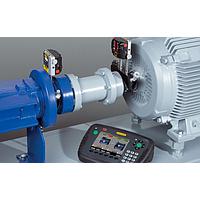
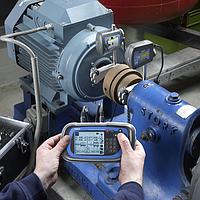
Repair support for laser alignment systems is especially important in industrial environments where these instruments are used regularly across motors, pumps, fans, compressors, and belt-driven assemblies. If the device has suffered impact, unstable readings, communication faults, display problems, or general wear from field use, a proper service process can help return the system to stable operating condition.
Why repair matters for laser alignment systems
Laser-based alignment equipment is relied on for precise setup and maintenance decisions. Even small issues in sensors, emitters, detectors, displays, brackets, or system electronics can affect measurement consistency, which in turn may lead to unnecessary machine stress or incorrect alignment corrections in the field.
A structured repair service is therefore not just about fixing visible damage. It is also about recovering measurement reliability, checking overall system function, and helping maintenance teams continue using familiar equipment without introducing uncertainty into alignment work.
Typical issues that may require service
Laser pulley and shaft alignment systems can be exposed to vibration, dust, accidental drops, transport damage, and demanding site conditions. Over time, these factors may lead to unstable laser output, poor target detection, charging or power issues, damaged accessories, housing wear, or interface faults that make the instrument difficult to use on site.
In many cases, users send equipment for repair after noticing inconsistent alignment results between jobs or after the unit no longer completes normal startup and measurement sequences. For companies maintaining a broader set of dimensional and inspection tools, it can also be useful to review related support options such as thickness gauge repair service or depth gauge repair service when multiple instruments need attention.
Supported brands and representative service items
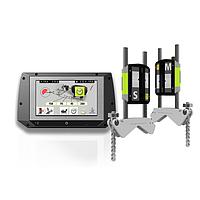
This category covers repair requirements for widely used alignment systems from established manufacturers in the field. Common examples include solutions from EASYLASER, FIXTURLASER, and VIBRO-LASER, all of which are associated with laser-based pulley or shaft alignment tasks in industrial maintenance.
Representative service listings in this category include the EASYLASER Laser Pulley/Shaft Alignment System Repair Service, FIXTURLASER Laser Pulley/Shaft Alignment System Repair Service, and VIBRO-LASER Laser Pulley/Shaft Alignment System Repair Service. These examples help clarify the type of equipment covered, while the actual repair scope will depend on the condition of the unit and the fault symptoms identified during inspection.
What a repair service generally helps restore
For alignment instruments, effective repair work usually focuses on bringing the system back to normal functional use rather than simply replacing an obviously damaged part. That may include resolving signal instability, restoring display or control operation, checking sensor response, addressing connector problems, and confirming that the system behaves correctly during standard measurement routines.
The goal is to return the equipment to a condition where it can once again support shaft alignment and pulley alignment tasks with practical reliability in day-to-day maintenance work. This is especially valuable for plants that depend on repeatable alignment procedures as part of preventive maintenance and machine installation workflows.
How to choose the right repair path
Before requesting service, it helps to document the symptoms clearly: whether the issue appears during startup, laser transmission, reading capture, communication between units, battery charging, or measurement display. This information can shorten diagnosis time and improve the chances of identifying whether the fault is intermittent, impact-related, or connected to wear from long-term use.
It is also useful to match the service request to the actual equipment family and brand. For instance, users working with systems from EASYLASER, FIXTURLASER, or VIBRO-LASER should select the corresponding repair service category or item where available, so product handling and service routing are more straightforward. If your facility also maintains precision hand tools, related categories such as callipers repair service and micrometers repair service may be relevant as part of a broader maintenance program.
Applications where reliable alignment tools are critical
Laser alignment systems are commonly used anywhere rotating machinery performance depends on correct geometric setup. That includes electric motors, pumps, fans, blowers, gearboxes, compressors, conveyors, and belt-driven machines where misalignment can increase energy loss, shorten component life, and create avoidable downtime.
Because alignment instruments often support both commissioning and ongoing maintenance, their condition directly affects how confidently technicians can diagnose machine issues and verify corrections. A repaired and functioning system helps teams work more efficiently in the field, especially when alignment checks are part of routine reliability practices.
Final considerations before sending equipment for repair
When preparing a unit for service, it is good practice to include the observed fault description, basic operating condition, and any accessories directly related to the issue if required. Clear information helps reduce ambiguity during evaluation and supports a smoother repair process.
For maintenance teams that depend on alignment accuracy, this category provides a focused path for restoring laser pulley and shaft alignment equipment from recognized brands. Choosing the right repair service can help extend instrument usability, support consistent maintenance decisions, and keep alignment work dependable across industrial applications.
Get exclusive volume discounts, bulk pricing updates, and new product alerts delivered directly to your inbox.
By subscribing, you agree to our Terms of Service and Privacy Policy.
Direct access to our certified experts