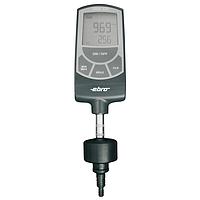
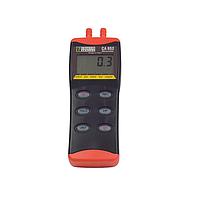
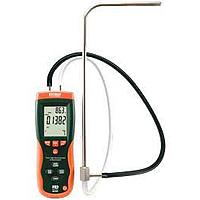
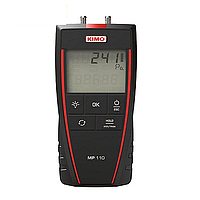
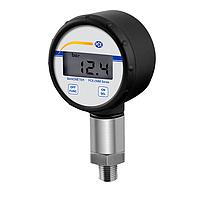
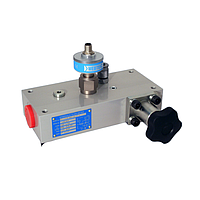
Pressure Meter, Hydraulic Meter Repair Service
When pressure readings drift, respond slowly, or fail altogether, the impact can reach far beyond a single instrument. In maintenance, HVAC, laboratories, process systems, and hydraulic applications, inaccurate pressure measurement can affect troubleshooting, safety checks, energy efficiency, and production reliability. A professional Pressure Meter, Hydraulic Meter Repair Service helps restore performance and extend the usable life of critical test and measuring equipment.
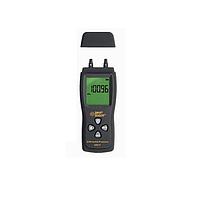
This category covers repair support for a wide range of pressure-related instruments, from portable meters used in field service to hydraulic measurement devices and pressure transmitters installed in more demanding environments. It is intended for businesses that need dependable service for instruments already in operation, whether the issue is unstable readings, display faults, communication problems, sensor-related errors, or general wear from regular use.
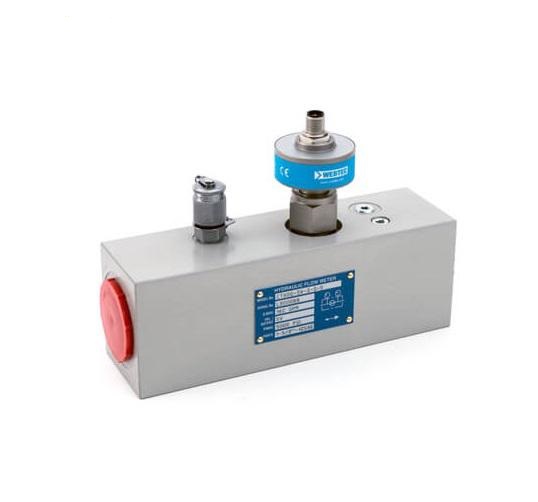
Repair support for pressure and hydraulic measurement equipment
Pressure instruments are used across many technical workflows, including commissioning, preventive maintenance, leak testing, airflow and differential pressure checks, and hydraulic system diagnostics. Because these devices are often exposed to pressure cycling, vibration, contaminants, transport stress, or harsh site conditions, repair needs are common over the lifetime of the equipment.
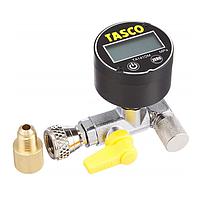
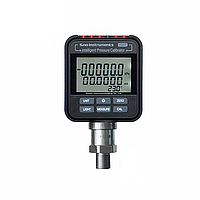
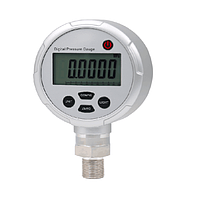
This service category is suitable for instruments such as digital pressure gauges, portable pressure meters, differential pressure transmitters, and hydraulic meters. In many cases, repair is a practical alternative to replacement, especially when the instrument is part of an established workflow, connected to existing procedures, or needed to maintain consistency in ongoing measurement tasks.
Typical issues that lead to repair requests
Not every fault appears as a complete failure. Many users first notice small signs such as unstable values, zero drift, intermittent display behavior, slow response, charging or power problems, or readings that no longer match reference equipment. For hydraulic instruments, mechanical stress and demanding operating conditions can also contribute to reduced accuracy or operational faults.
Pressure-related devices may also be affected by damaged ports, degraded sensing elements, keypad wear, housing damage, or internal electronic issues. In portable units, connectors, screens, and battery systems are frequent points of concern. For fixed or transmitter-style devices, communication behavior and signal stability may become part of the diagnostic process as well.
Equipment types commonly covered in this category
The scope of this category includes several practical instrument groups used in industrial and technical environments. Portable devices are widely used by service teams and facility engineers because they support fast measurement checks in the field. Bench or installed devices are more common in continuous monitoring or process-related applications, while hydraulic meters are essential where pressure must be assessed under fluid power operating conditions.
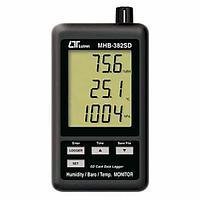
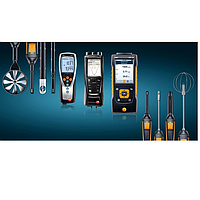
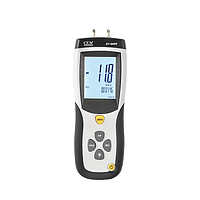
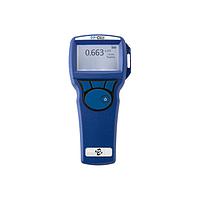
Representative examples in this category include the PCE Digital Pressure Gauge Repair Service, the TESTO Portable Pressure Meter Repair Service, the TSI Portable Pressure Meter Repair Service, and the Webtec Hydraulic Meter Repair Service. There is also support for application-specific equipment such as the Rotronic Differential Pressure Transmitterr Repair Service and portable instruments from brands used in maintenance and environmental measurement workflows.
Supported manufacturers and service context
This category is built around repair needs for instruments from well-known test and measurement brands, including TESTO, TSI, EXTECH, PCE, Rotronic, Sauermann, Webtec, EBRO, KDS, and Chauvin Arnoux. Each manufacturer may have different device architectures, interfaces, and intended use cases, so repair work must begin with proper fault assessment rather than assumptions based only on external symptoms.
For buyers managing multiple instrument types across one site, brand familiarity can also matter when planning service and maintenance schedules. A facility may operate portable pressure meters for field checks, digital gauges for spot verification, and hydraulic meters for fluid power diagnostics. Grouping repair needs within the same service family can make maintenance planning more efficient.
How to evaluate whether repair is the right option
A repair request is often worthwhile when the instrument still fits the application, replacement lead times are inconvenient, or the device remains part of a validated maintenance routine. This is especially relevant for companies that rely on stable measurement practices across service teams, production lines, or test benches. In these cases, restoring the existing unit can help reduce disruption while preserving user familiarity.
When comparing options, it helps to consider the instrument’s role, the nature of the fault, and the operating environment. A portable pressure meter used for routine inspections may justify repair if the issue is related to display behavior, power, or reading stability. A hydraulic meter used in system diagnostics may be even more critical to restore quickly because downtime can delay troubleshooting and maintenance across larger hydraulic assets.
Related repair categories in a broader maintenance workflow
Pressure measurement devices are rarely maintained in isolation. In many industrial and facility service environments, teams also manage electrical meters, thermal instruments, and other diagnostic tools as part of the same asset pool. If your maintenance program covers a wider set of instruments, it may also be useful to review electrical and electronic meter repair services or thermometer and thermal camera repair services.
This broader view is helpful for procurement teams and maintenance managers who want a more structured approach to service planning. Instead of treating each failure as a separate event, related repair categories can support a more consistent lifecycle strategy for essential measuring equipment.
What to prepare before submitting an instrument for repair
To speed up the service process, it is useful to identify the instrument type, manufacturer, visible fault symptoms, and the conditions under which the issue occurs. For example, note whether the problem appears only under pressure, only after warm-up, during charging, or during communication with other equipment. If available, recent measurement behavior or comparison against a known reference can also help clarify the issue.
It is also good practice to include any relevant accessories only when they are directly related to the problem being investigated. A clear service description can improve diagnosis efficiency and reduce unnecessary back-and-forth during intake. For business users managing multiple units, asset labels and usage history can make repair coordination much easier.
Choosing a service category that matches the instrument
Because this category covers multiple pressure-related device types, selecting the most relevant service path can improve handling from the start. Portable pressure devices, fixed gauges, pressure sensors, pressure transmitters, and hydraulic meters may share a common measurement theme, but they often differ in design and application context. Matching the repair request to the correct instrument family helps set expectations for diagnosis and service workflow.
If your equipment is used for field verification, HVAC balancing, process checks, or hydraulic troubleshooting, this category provides a clear entry point for repair needs tied to pressure measurement performance. A well-defined repair request helps technical teams assess the instrument more accurately and supports a more efficient return to service.
For organizations that depend on reliable readings in maintenance, testing, and process control, pressure instrument repair is not only about fixing a fault. It is also about restoring confidence in the measurement task itself. Reviewing the instrument type, application, and brand context carefully will help you choose the most suitable repair service and keep essential equipment working where it matters most.
Get exclusive volume discounts, bulk pricing updates, and new product alerts delivered directly to your inbox.
By subscribing, you agree to our Terms of Service and Privacy Policy.
Direct access to our certified experts