
Pressure Transmitter repair service
Unstable pressure readings, signal drift, or intermittent output can quickly affect process control, safety, and maintenance planning. When a transmitter starts behaving inconsistently, replacing it is not always the first or most practical step. A professional Pressure Transmitter repair service helps restore device performance, identify underlying faults, and extend the usable life of installed instrumentation in industrial systems.
For plants, utilities, OEMs, and maintenance teams, repair work is often part of a broader instrumentation strategy. In many cases, troubleshooting and component-level restoration can reduce downtime while preserving compatibility with existing control architecture, piping layouts, and calibration procedures.
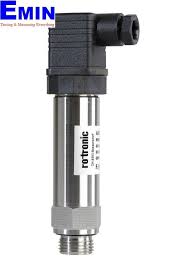
Why pressure transmitter repair matters in industrial operation
A pressure transmitter plays a critical role in converting process pressure into a usable electrical signal for monitoring and control. If that signal becomes inaccurate, delayed, or unstable, the impact can spread beyond one measurement point and affect alarms, PLC logic, trend data, and process consistency.
Repair service is especially relevant when the instrument remains mechanically suitable for the application but shows electrical, sensing, or communication-related issues. Instead of approaching every fault as a full replacement case, maintenance teams often evaluate whether the transmitter can be restored efficiently and returned to service with reliable performance.
Common issues addressed during pressure transmitter repair
Pressure transmitters can fail in different ways depending on operating environment, media condition, installation quality, and electrical stress. Typical service cases include output drift, zero shift, unstable signal transmission, power-related faults, damaged terminals, moisture ingress, and response errors caused by aging internal components.
In harsher industrial environments, transmitters may also be affected by vibration, pressure spikes, contamination, or long-term thermal cycling. A proper repair workflow focuses not only on the visible symptom, but also on the likely root cause, helping reduce repeat failures after reinstallation.
What to expect from a repair workflow
A structured pressure transmitter repair process usually begins with inspection and functional evaluation. This stage helps determine whether the issue is linked to the sensing element, signal conditioning electronics, housing integrity, connector damage, or configuration-related problems. Clear diagnosis is important because similar symptoms can come from very different internal faults.
After troubleshooting, the service may involve cleaning, replacement of damaged internal parts where applicable, restoration of electrical connections, sealing checks, and performance verification. In practice, repair quality depends on whether the device is assessed as part of its real operating context, including loop conditions, mounting environment, and expected output behavior.
Where broader measurement issues exist across a site, it can also be useful to review related support options such as pressure sensor repair services for sensing-related faults in adjacent instrumentation.
When repair is a practical choice
Repair is often considered when the installed transmitter is already integrated into a working process line and replacement would require additional engineering, shutdown coordination, or compatibility review. This is common in process industries where instrumentation loops are tied to validated settings, established documentation, and existing maintenance routines.
It can also be a sensible option when the fault appears localized rather than catastrophic. For example, units with communication instability, terminal damage, enclosure issues, or calibration drift may still be suitable candidates for restoration depending on their condition. The key is to evaluate serviceability rather than assuming every malfunction requires a new device.
How to assess whether a transmitter should be repaired or replaced
The decision typically depends on several practical factors: the nature of the fault, the age and condition of the unit, process criticality, expected turnaround time, and the role of that measurement point in production. A transmitter used in a highly critical control loop may require a faster redundancy plan, while non-critical points may allow more flexibility for inspection and repair.
It is also important to consider whether the issue is isolated to one instrument or part of a wider system problem involving wiring, impulse lines, power supply, or control input modules. In some cases, the transmitter is not the only cause of signal abnormality. Related maintenance needs may overlap with services such as fixed pressure gauge repair when multiple pressure measurement devices in the same area show inconsistent behavior.
Applications and industries that rely on transmitter restoration
Industrial pressure measurement is used across manufacturing, utilities, water treatment, energy systems, hydraulic processes, and general automation. In these environments, transmitters are often exposed to demanding operating conditions and are expected to deliver stable output over long service intervals.
Repair support is particularly valuable for facilities managing large installed bases of field instruments. Instead of handling each failure as a standalone procurement event, maintenance teams can use repair services as part of a planned asset management approach. Where mobile test and field verification equipment is also involved, organizations may additionally need portable pressure meter repair service to support broader pressure measurement reliability.
Choosing the right service partner for pressure transmitter repair
For B2B users, service quality is not just about fixing a faulty device. It is about receiving a clear diagnosis, realistic repair scope, and dependable post-repair performance verification. A capable repair provider should understand how transmitters function within real control systems rather than treating them as isolated components.
Good support also helps maintenance teams make better decisions when repair is not the ideal path. In mixed environments that include transmitters, gauges, and hydraulic measurement equipment, it may be useful to compare service options across related categories such as hydraulic meter repair service for applications where pressure indication and hydraulic measurement equipment operate together.
Support a more reliable measurement system
A well-executed repair can do more than restore a single instrument. It can improve troubleshooting accuracy, reduce unnecessary replacement, and support more stable process measurement over time. For operations that depend on consistent field signals, pressure transmitter repair remains an important maintenance option within a broader instrumentation reliability program.
If you are reviewing a faulty unit, recurring signal issue, or aging installed transmitter base, this category helps you explore service solutions aligned with industrial maintenance and repair needs. A careful repair decision can support both equipment lifecycle management and day-to-day process continuity.
Get exclusive volume discounts, bulk pricing updates, and new product alerts delivered directly to your inbox.
By subscribing, you agree to our Terms of Service and Privacy Policy.
Direct access to our certified experts