For full functionality of this site it is necessary to enable JavaScript.
EMIN.COM.MM
0

Experience using German standard DSB plastic injection molding machine

09/19/2025 16:07:56

Plastic laminating machines are increasingly popular in offices, printing shops or photo services. With the function of preserving documents and images over time, this device becomes a useful tool in daily work. However, to ensure the machine operates stably, produces beautiful finished products and maintains a long life, users need to pay attention to how to use and preserve it right from the small operations.

How to use plastic injection molding machine effectively

When using, you should choose a pressing temperature suitable for the thickness of the paper. It is also important to let the machine warm up before pressing the paper, because if the heat is not even, the laminating film will wrinkle or peel off. After each pressing, let the machine rest for about 15 seconds to avoid overloading. In addition, you should not use the machine continuously for more than 2 hours, because the accumulated temperature can easily affect the internal components.
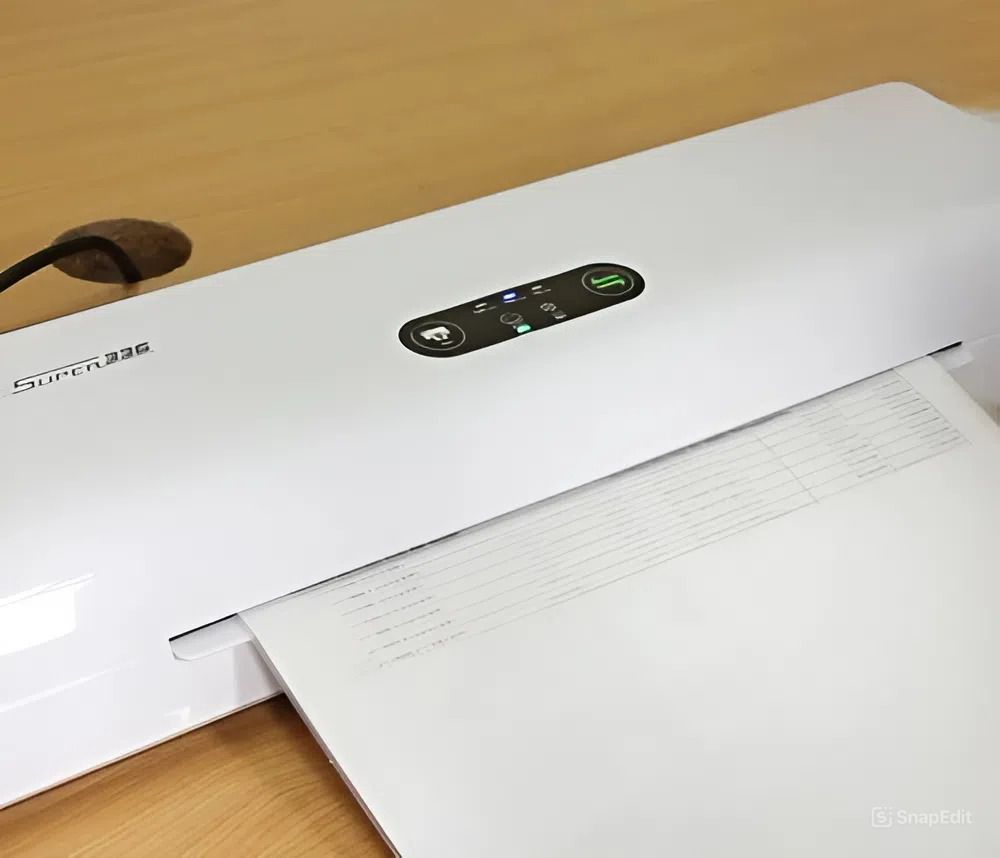
When in use, the roller is the part that comes into direct contact with the paper, so it needs to be cleaned periodically to remove dirt and glue residue. After turning off the machine, wait at least 30 minutes for the machine to cool completely before storing. In particular, do not place heavy objects on the surface when the machine is still hot, as this may cause warping or damage. To ensure the longevity of the device, you should also place the machine in a dry, cool and flat place.

Wrong habits when using plastic injection molding machines

Many people, when first using the machine, often think that they just need to turn on the machine, wait for it to heat up and then press it. But in reality, this habit can easily lead to wrinkled paper, peeling edges or the machine breaking down quickly. Some people even use it continuously for many hours because they think the machine can handle the load, until the machine gets too hot and the roller's lifespan is reduced. Another common mistake is storing the machine while it is still hot or placing heavy objects on top, accidentally deforming the surface. These seemingly small actions have a big impact on the durability of the device.

Use properly to avoid waste

When investing in a plastic laminator, everyone certainly wants to use it for a long time and with little damage. To do that, you need to pay attention to choosing the temperature according to the thickness of the paper, wait for the machine to be hot enough before pressing and let the machine rest for a short time after each use. In particular, cleaning the rollers regularly will help the finished product to always be flat and beautiful, without dust or excess glue. Storing the machine properly, in a dry and flat place is also a simple habit but helps save significantly on repair or replacement costs.

DSB plastic injection molding machines are popular

When it comes to the German brand DSB, this is a line of plastic laminating machines that many people trust thanks to its fast pressing speed, modern design and sharp finished products. For example, the DSB FL-806 model stands out for its smooth running ability, has 4 rollers to limit paper jams and allows flexible temperature adjustment. The DSB FL-906 is highly appreciated for its pressing speed of up to 300mm/minute, heats up in just 1 minute and still maintains the aesthetics of the finished product. Meanwhile, the DSB HQ-235 is suitable for many different needs thanks to its support for both hot and cold pressing, easy operation and long life.

It can be seen that if used and maintained properly, combined with choosing the right product, DSB plastic laminating machine will help a lot in work, saving time and ensuring the quality of important papers, documents or images.

Related News

Which Vacuum Pump Should You Choose for a Microbiology Lab to Avoid Affecting Samples?
07/15/2026 14:45:07

Vacuum pumps are utilized in a wide range of microbiology laboratory procedures, from membrane filtration and the aspiration of supernatants following centrifugation to sample concentration and the support of negative-pressure systems. Selecting the appropriate pump not only ensures more stable operational processes but also minimizes the risk of sample contamination, reduces maintenance costs, and extends the equipment's lifespan

QCVN 25:2025/BKHCN Takes Effect: Do Businesses Need to Prepare Electrical Safety Testing Equipment?
07/15/2026 09:15:04

Electrical safety is consistently one of the primary criteria evaluated before electrical or electronic equipment—or industrial components—are released to the market. A product may operate reliably yet still fail to meet requirements if its insulation lacks sufficient durability, its grounding resistance exceeds permissible limits, or leakage current occurs during operation.

Why Is Associated Research Considered an Icon of Hipot Technology?
07/14/2026 09:05:30

When it comes to electrical safety testing equipment specifically Hipot testers—many QA/QC and testing engineers are familiar with the globally renowned brand Associated Research. A subsidiary of the parent company IKONIX, Associated Research (ARI) invented the world's first commercial Hipot tester.

What Is the Standard 3-Phase Voltage? How to Read Cabinet-Mounted Meters Without Errors
07/13/2026 15:09:18

Voltmeters are almost invariably found on the panels of electrical cabinets in factories, power stations, or generator systems. A glance lasting just a few seconds allows an operator to determine whether the power supply is stable or showing signs of abnormality. However, not everyone understands the significance of the displayed readings, particularly regarding three-phase electrical systems.

Distinguishing between ARI’s Hypot, HypotUltra, and HypotMax: Which device is right for your factory?
07/13/2026 09:48:30

Few people realize that the concept of the "Hipot Test"—or electrical safety testing—has long existed within the electrical equipment manufacturing industry. Driven by the growing need to verify the voltage withstand capabilities of conductors, motors, and electrical devices, the industry required a robust and virtually fail-safe method to detect insulation weaknesses before products reached the market.

Stay Updated with Offers

Get exclusive volume discounts, bulk pricing updates, and new product alerts delivered directly to your inbox.

By subscribing, you agree to our Terms of Service and Privacy Policy.

Quick Support

Direct access to our certified experts