For full functionality of this site it is necessary to enable JavaScript.
EMIN.COM.MM
0

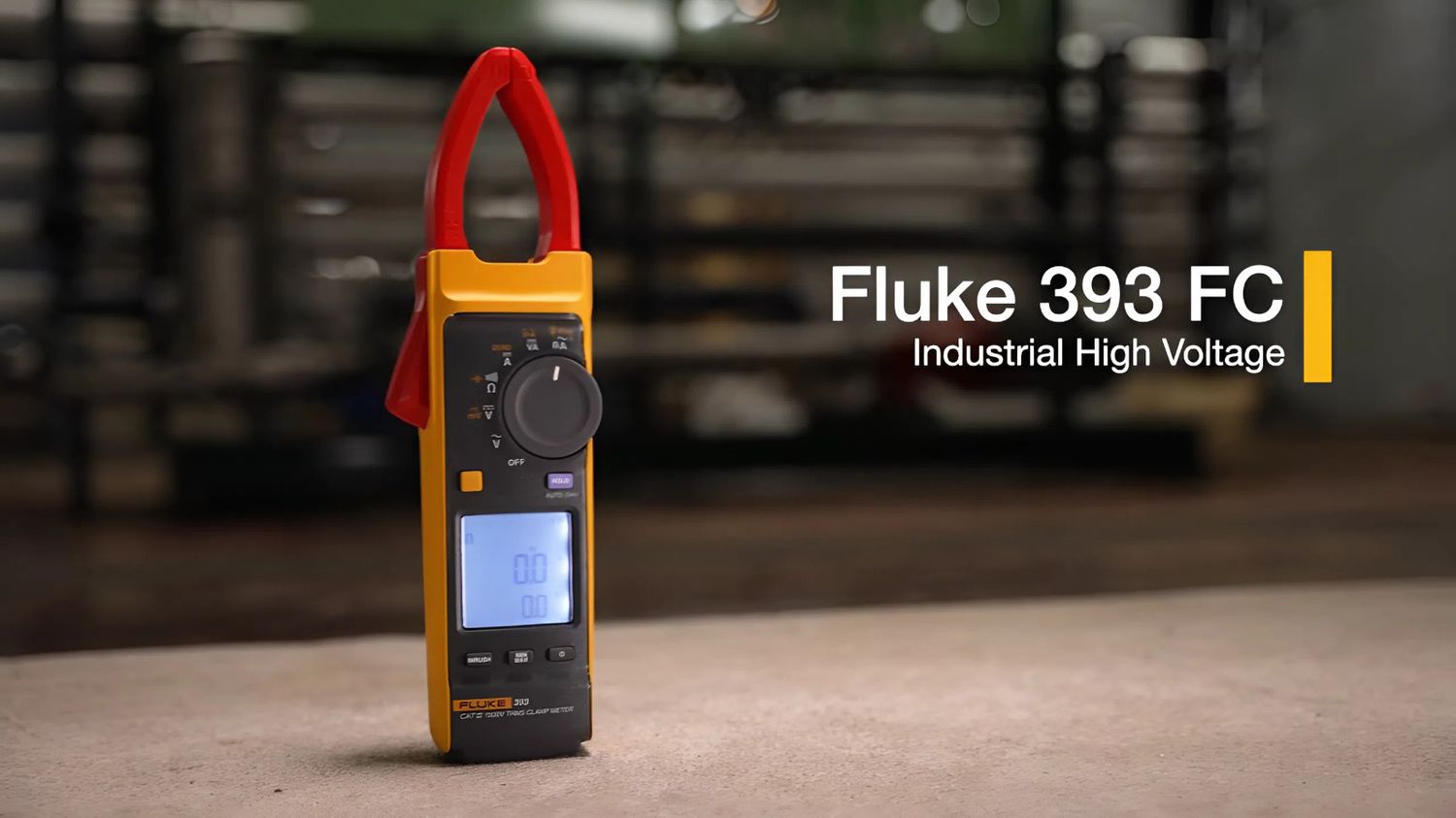
Fluke 393 FC clamp meter for solar power systems

03/18/2026 10:12:22

The Fluke 393 FC is commonly used when high DC voltage measurement is required, especially in solar power systems. With a measurement range up to 1500 V, this device is suitable for testing battery strings or high-power DC power lines.

In practice, this is the type of clamp meter commonly carried along for quick on-site checks, instead of using multiple separate measuring devices.
What can be measured with the Fluke 393 FC?

The device allows for the measurement of DC voltage, AC current, and DC current via clamps. It can also display power based on the measured voltage and current values.

This enables quick monitoring of the operating status of each point in the system without manual calculations.

When is True RMS technology needed?

In real-world environments, electrical signals are not always stable. Noise or abnormal waveforms can lead to inaccurate measurement results.

True RMS helps maintain the stability of measurement results in such situations, and is therefore often used for field testing rather than under ideal conditions.

The Fluke 393 FC's slim clamp design allows it to fit into confined spaces such as electrical cabinets or areas with dense wiring.

In more difficult-to-access situations, the iFlex flexible current probe can be used to take measurements in locations where direct clamping is not possible.

Why is it necessary to monitor power consumption during testing?

Measuring voltage or current alone is sometimes insufficient to assess operating conditions. With additional power information, comparisons between battery strings or branches become clearer.

This helps to quickly identify areas of unstable operation.

This device is commonly used in high-DC voltage environments such as solar power systems, large-scale power farms, energy storage systems, or areas requiring high-power DC electricity.

Finally, the Fluke 393 FC is suitable for measuring high DC voltage, current, and quickly observing power in the field. Its intuitive display makes testing easier to follow compared to traditional measurement methods.

Within EMIN's catalog, this is one of the models frequently chosen for solar and DC power applications.

Related News

Tips for Optimizing Temperature and Chemicals for Spotless Ultrasonic Cleaning Tanks
08/24/2026 15:53:39

If you operate a workpiece cleaning system in your workshop or have recently invested in an ultrasonic cleaner, you have likely encountered situations where the machine runs for ten minutes or more, yet stubborn grease and rust remain completely unaffected. Many people mistakenly believe that simply filling the tank with plain water and turning the machine on is enough; in reality, this approach wastes up to 70% of the technology's ultrasonic cleaning power

The Role of Electrical Safety Testers in Electric Vehicle Production
08/24/2026 10:31:22

Electrical safety testers are used to test high-voltage circuits and electrical assemblies associated with the drivetrain, battery, and charging systems. These tests help identify insulation defects, problems in protective earth paths, and insufficient dielectric withstand capability before a product moves to the next production stage or is released for shipment.

Dakota CX – Ultrasonic Thickness Gauges for Measuring Through Coatings up to 2 mm
08/24/2026 10:12:42

In non-destructive testing (NDT), ultrasonic thickness gauges allow users to determine material wear and corrosion without dismantling components or cutting samples. Dakota NDT has developed the CX and PCX8-DL series with a focus on fast measurements, simple operation, and a range of functions for on-site thickness inspection.

Stay Updated with Offers

Get exclusive volume discounts, bulk pricing updates, and new product alerts delivered directly to your inbox.

By subscribing, you agree to our Terms of Service and Privacy Policy.

Quick Support

Direct access to our certified experts