In chemical processing plants, wastewater treatment facilities, oil & gas operations, and food production, selecting the wrong material for a pressure gauge often leads to severe consequences: Bourdon tube failure, toxic chemical leaks, equipment breakdown, and serious occupational safety hazards. This article provides practical technical criteria for selecting the correct case and sensor materials when measuring pressure in corrosive environments
Nature of Corrosion and Material Selection Principles
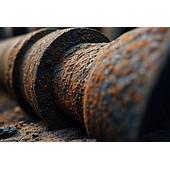
Chemical corrosion occurs when the process medium (acids, alkalis, solvents, salts) reacts directly with the wetted metal components. This process thins the pressure tube wall, jams the movement mechanism, or causes measurement inaccuracies.
No single material can withstand every type of chemical. Selection must be based on a chemical compatibility chart combined with the actual temperature and concentration of the solution.
Selecting Sensor and Bourdon Tube Materials
Components in direct contact with chemicals demand the highest level of chemical resistance in the entire pressure gauge assembly:
304 Stainless Steel: Offers only basic corrosion resistance. Suitable for clean water, standard compressed air, light oils, and mildly corrosive environments. Never use with acids or solutions with high chloride salt content.
316 or 316L (Low Carbon) Stainless Steel: Thanks to the addition of molybdenum, this material significantly enhances resistance to pitting and crevice corrosion. It is the standard choice for diluted chemical applications, seawater, steam, alkaline solutions, and low-concentration organic acids.
Nickel-Chromium-Molybdenum Alloy (Hastelloy C276): This premium alloy structure provides exceptional durability against strong oxidizing agents and highly aggressive acids such as concentrated sulfuric acid, hydrochloric acid, or nitric acid.
Nickel-Copper Alloy (Monel): Demonstrates excellent resistance to strong alkaline solutions and hydrofluoric acid. Ideal for caustic soda production, refinery chemicals, and harsh marine environments.
Synthetic Polymers and Non-Stick Coatings (PTFE/PVC/PVDF): Used as non-metallic liners or diaphragms specifically for fuming strong acids that conventional metals cannot withstand.
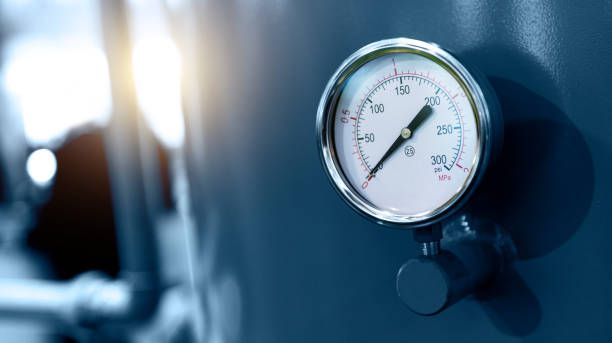
Mechanical Pressure Gauges: Selecting Case Materials
The pressure gauge case is exposed to external environmental factors such as ambient chemical vapors, high humidity, salt spray, or plant washdown solutions.
Powder-coated steel should only be used in dry environments free of chemical fumes, as it rusts very quickly in industrial plants.
304 or 316 stainless steel is the standard choice for humid industrial environments, areas with mild acid vapors, or zones subjected to frequent high-pressure washdowns, preventing the case from deteriorating or the bezel threads from seizing.
Engineering plastics (heat-resistant) are used for specialized chemical piping to fully resist concentrated acid fumes that would otherwise corrode metal enclosures.
Diaphragm Seal Solutions for Specialized Chemicals
For viscous, crystallizing, media containing solid particulates, or highly corrosive chemicals, using a standard Bourdon tube directly will quickly cause clogging or destroy the sensor. The mandatory engineering solution is to use a Diaphragm Seal Pressure Gauge.
The equipment structure consists of an isolating diaphragm made of special materials that directly contacts the chemical. The cavity between the diaphragm and the Bourdon tube is filled with a dedicated system fill fluid. Thanks to this mechanism, chemicals are completely prevented from entering the internal movement, multiplying the gauge's service life and allowing easy removal for periodic cleaning.
Practical Field Experience for Installation
Temperature impact: Temperature directly accelerates corrosion rates. High temperatures increase the rate of chemical corrosion exponentially compared to ambient room temperature; a material capable of withstanding an acid at 20°C may fail completely at 80°C.
Hot corrosive vapors: For hot corrosive steam or vapors, engineers should install a cooling element (syphon/cooling tower) to protect seals and internal mechanisms.
Safety maintenance: High-risk chemical systems require periodic pressure verification using isolation valves or scheduled replacements per manufacturer recommendations to prevent sudden rupture accidents.