Often we can't be sure if there's a water leak; in many cases, it's just a small drip or trickle, but if it lasts for several days, it's enough to significantly increase the water bill.
Signs that indicate a water leak in your home
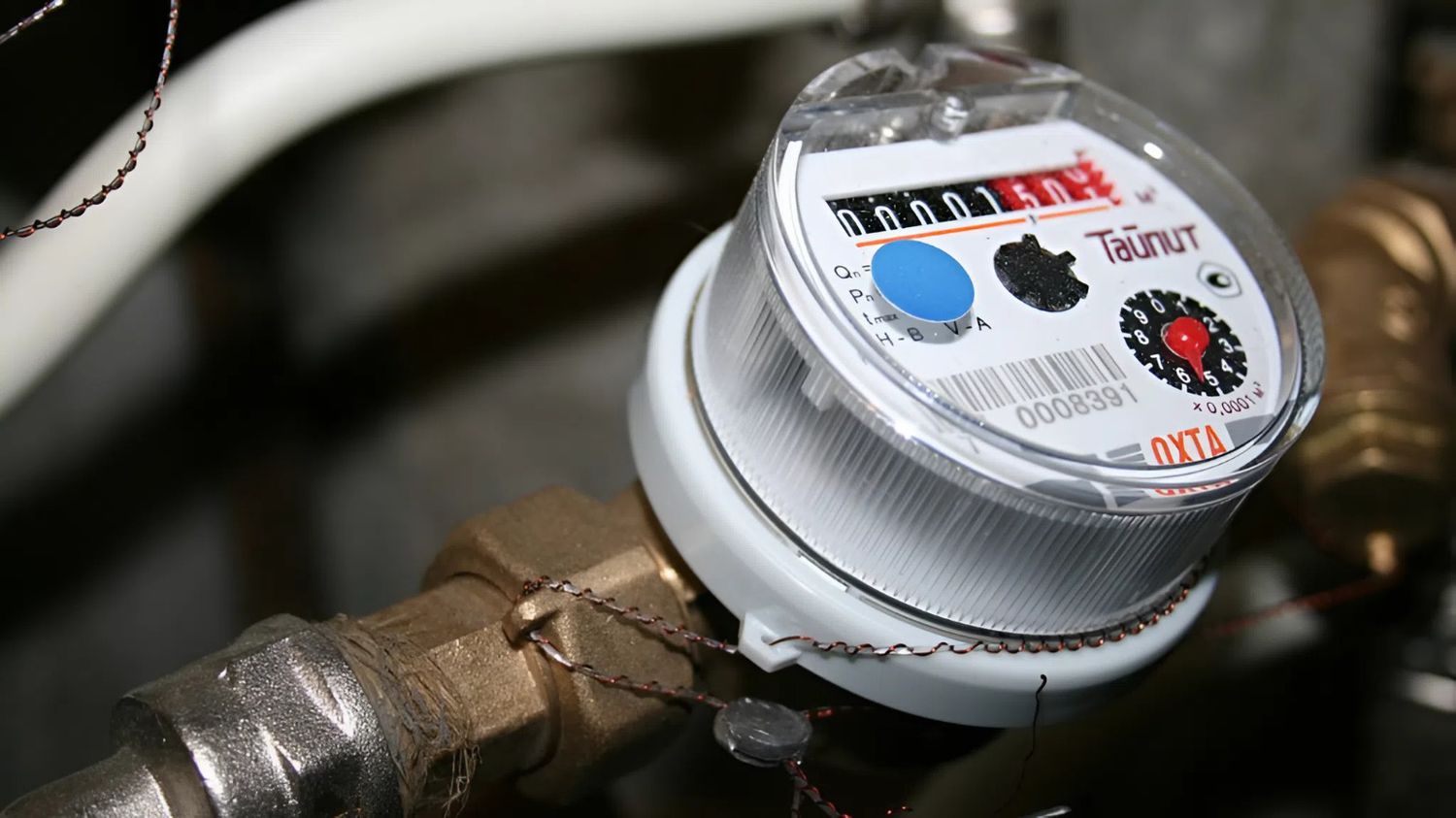
- Water bills increase even though the number of people living there remains the same. Daily expenses are the same, but the cost is higher than before. Some areas in the house feel slightly damp, and the walls or floors have faded.
- The toilet sometimes leaks on its own even when not in use. You can hear faint running water at night even when the tap isn't on.
- These signs often appear individually and are easily overlooked. When they recur frequently, you should consider the possibility of a water leak.
How to check for water leaks using a water meter
Turn off all taps and water-using appliances, leave them open for a few minutes, then look at the meter.
If the dial still moves or the hands still run, it indicates that water is still flowing through the pipes. This is usually related to a water leak after the meter.
This method is simple, doesn't require disassembly, and is suitable for small rooms or apartments. Some possible leak locations include:
- Old faucets may drip. The connections under the sink or behind the washing machine may be loose. These areas are prone to small but persistent leaks.
- Toilets are often overlooked. Leaks in toilets are usually quiet, but the amount of water lost each day is quite significant.
- Open the toilet tank lid and wait for it to fill. Pour a few drops of a visible color into the tank.
- After some time, look inside the tank. A change in water color or a decrease in the water level indicates a leak from top to bottom.
- The water meter is still running, but you can't find any leaks. There are no obvious signs on the walls or floors, but your water bill keeps increasing over the months. In this case, you need to call a plumber or landlord immediately to check. These cases are often related to leaks in hidden locations. You should notify the landlord or ask someone with experience to handle it as soon as possible to avoid additional costs.
Frequently Asked Questions When a Water Leak Is Discovered
1. Why is my water bill increasing even though there's no visible leak?
Water leaks can occur in inconspicuous locations, such as behind walls or under floors. Even without visible water, the meter still registers a leak, leading to increased bills.
2. How significant is a small leak?
A small leak might be unnoticeable in the short term. However, over several days, the amount of water lost is enough to cause a noticeable increase in the bill.
3. Can a faulty water meter cause your bill to increase?
This is possible, but not common. Try turning off the water and observing the meter first to check for leaks.
4. What to do if you can't find the leak?
You should notify your landlord or call a plumber. Avoid attempting to fix it yourself as you could easily damage other areas.