Nitrogen gas in food packaging
Nitrogen gas is an inert, colorless, odorless gas and is commonly used in preserving food and beverages. With the ability to replace oxygen in the packaging environment, nitrogen acts as a natural preservative, helping to limit oxidation—the main cause of product spoilage. Oxygen can react with ingredients such as fats and sugars, leading to unpleasant odors and food deterioration.

An obvious example is when a piece of apple turns brown after cutting. The use of nitrogen in packaging helps keep food fresh longer, protects nutrients and prevents the growth of aerobic microorganisms. Foods that are well preserved by nitrogen gas include fatty meats, fish, nuts, coffee, vegetables and ready-to-eat foods.
Other applications of nitrogen gas
Applications of nitrogen gas in the food industry are very diverse. Have you noticed that bags of potato chips often appear inflated? In fact, that space is not air but nitrogen gas. During the packaging process, nitrogen is used to push oxygen out of the bag, helping to increase the product's shelf life. At the same time, this layer of air also creates a protective cushion to maintain the structure and quality of the fries.
In addition, nitrogen is also used in processes such as creating a fluffy structure (fluffing) to change food texture and prevent oxygen penetration, replacing the intermediate gas layer, and inerting in processes to Prevent unwanted fires and explosions, control harmful insects and during the smoking process.
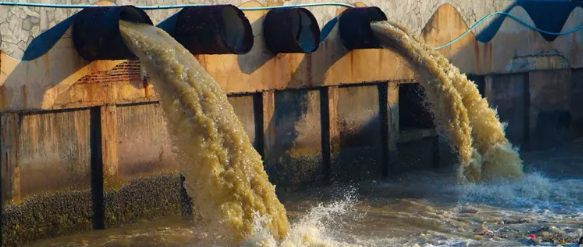
During wastewater treatment
Nitrogen gas plays an important role in water treatment and the wine industry, helping to prolong storage time and preserve the acidity, color, aroma and natural flavor of wine. Because of nitrogen's insoluble nature in water, it is the perfect choice for transferring wine without affecting quality. To ensure absolute cleanliness, the bottles are rinsed and dried with nitrogen gas before being filled.
This drying process takes place faster than when using regular air because the nitrogen gas produced is very dry. After the wine is poured and before capping, the bottle is also degassed with nitrogen to remove excess air in the neck of the bottle, ensuring the best quality. In addition, nitrogen gas is also used in other processes such as controlled liquid aeration, filling and bottling of beer bottles or cans, and cleaning of tanks and kegs.
Application of nitrogen gas in electronics production
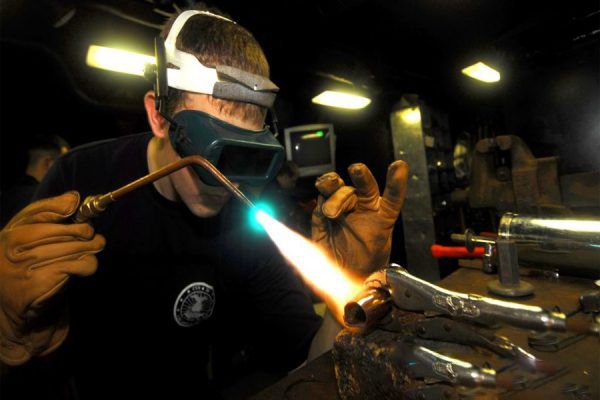
In the field of electronics manufacturing, producing nitrogen gas on site helps businesses significantly reduce operating costs. Processes such as wave soldering, selective soldering, and reflow soldering are often performed in a nitrogen atmosphere, which helps ensure product quality.
Nitrogen creates a protective environment, preventing oxidation and the negative effects of oxygen on the weld. This helps avoid the formation of impurities and reduces the amount of solder and flux required, thereby improving soldering quality. The result is reduced rework and repairs, avoiding errors such as "tin whiskers" that can cause short circuits on circuit boards. In particular, manufacturers today prioritize the use of lead-free solder to comply with the EU's RoHS directive on limiting toxic substances. Processing of this type of solder requires the use of nitrogen as a shielding gas throughout the manufacturing process.
Application of nitrogen gas in fire prevention in mining and underground tunnels
In mining and underground tunnels, high concentrations of mine gases and dry dust can lead to spontaneous underground fires and explosions. To minimize this risk, areas in the tunnel that are not occupied by workers are often covered with nitrogen gas. Reducing the amount of oxygen in the air reduces the risk of fire and explosion significantly. In addition, nitrogen is also used to extinguish fires that arise during mining or tunneling by quickly creating an inert environment, limiting the spread of fire.
How nitrogen gas is created
Nitrogen gas makes up about 78% of the air we breathe every day. To obtain pure nitrogen gas, people use a technique to separate nitrogen molecules from other molecules in a dry and clean compressed air stream, thereby creating a purified nitrogen gas source.
Use a nitrogen generator
Many factories choose to produce their own nitrogen on site using a nitrogen generator. This method provides flexibility in production because businesses can control the source of nitrogen gas with the required purity when they want it. Generating nitrogen gas yourself at the factory eliminates dependence on outside suppliers, saving on ordering, filling and shipping costs. This also helps optimize storage space, eliminating the need to make room for full or empty nitrogen tanks.
Conclude:
Many businesses have chosen to produce their own nitrogen gas on site using a nitrogen generator. This helps them proactively control flow, pressure, and purity to suit each specific need. Other major benefits of this include cost stability, eliminating transportation costs and waiting times, and ensuring gas quality is always up to standard.