Effective bolted joint tightening requires more than applying a calculated torque value. The final result depends on controlled torque, the joint’s materials and geometry, and how well the desired bolt preload is distributed and retained.
A calibrated torque tool, a defined tightening sequence, and attention to friction surfaces help make tightening results more consistent. Joints with multiple bolts, soft materials, washers, or gaskets need particular care because these factors can change preload.
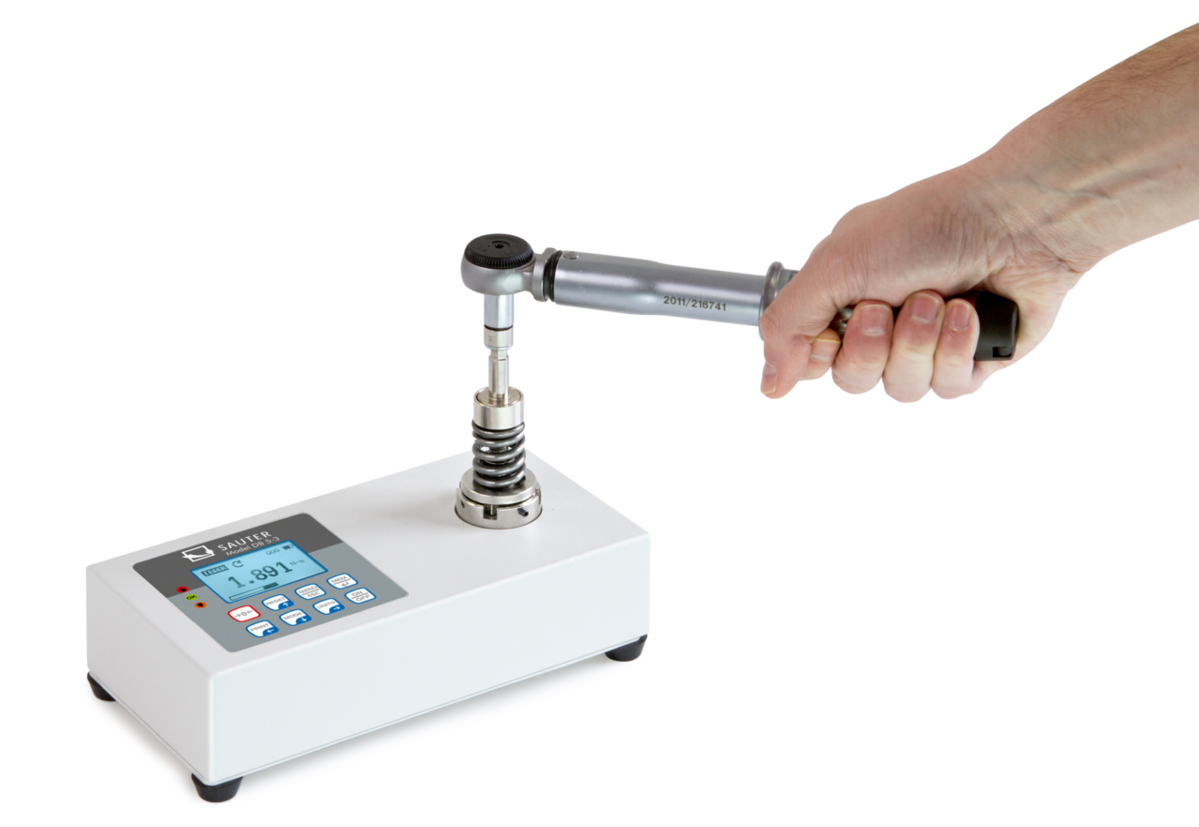
Summary: Use a Torque meter for final tightening or inspection. Base torque specifications on relevant joint test results where possible. Define the tightening sequence for multi-bolt joints. Account for washers, gasket relaxation, and embedding that can reduce preload.
Why is a calibrated torque tool important for bolted joints?
A calibrated torque tool supports accurate, repeatable torque application during final tightening or inspection. Calibration is important because the torque value applied to a fastener is part of controlling the preload developed in the joint.
Automatic tightening tools, including impact wrenches, can introduce variation in torque and bolt preload. A calibrated tool is therefore useful for confirming the final condition rather than relying solely on an automatic tool’s output.
How should the correct tightening torque be specified?
The tightening torque should account for actual behavior of the specific joint, not only a theoretical calculation. Test results can provide data that reflects the materials and characteristics involved in that assembly.
Methods identified for obtaining this data include measuring bolt extension, using strain gauges, and using a load cell embedded in the joint. These approaches can help relate applied torque to the preload achieved in practice.
Why does tightening sequence matter in a multi-bolt joint?
A tightening sequence matters because the order of tightening can affect preload distribution, especially in joints with multiple bolts or non-flat surfaces. A sequence that considers joint compression helps distribute preload more evenly.
More even preload distribution can reduce uneven stress within the joint. The sequence should therefore be specified as part of the tightening process rather than treated as an incidental step.
When can plain washers affect torque-to-tension behavior?
Plain washers can affect the torque-to-tension relationship when clearance between the bolt shank and washer hole permits lateral movement. That movement may alter the friction surfaces during tightening.
For this reason, the source guidance emphasizes washers with sufficient thickness and hardness, along with a fit that is snug to the bolt shank. These choices help maintain more consistent conditions at the bearing surface.
When are flange-headed bolts and nuts useful?
Flange-headed bolts and nuts can be useful with softer materials or high-tensile bolts because their larger bearing faces reduce surface pressure under the nut. This can help limit preload loss associated with embedding.
The larger-diameter bearing face can also increase friction dissipation. As a result, the required tightening torque may be higher, so the torque specification should reflect the fastener and joint configuration.
How do gaskets and embedding reduce bolt preload?
Non-elastic gaskets may lose preload over time as the bolt relaxes and the gasket compresses. Retightening after an initial period is identified as a way to address this possibility, while monitoring gasket compression and the joint material.
Embedding is plastic deformation in threads and joint interfaces. It may be more pronounced when high-strength fasteners are used with relatively soft materials, reducing the preload that was initially developed.
How can embedding effects be reduced during tightening?
Embedding effects can be reduced by using hardened washers, flanged fasteners, or carefully selecting bolt length. These measures are intended to help the actual bolt extension align more closely with the desired preload.
There is no single tightening practice that fits every bolted joint. Reviewing the joint’s materials, geometry, fastener arrangement, friction conditions, and potential relaxation mechanisms supports a more reliable tightening process.