HMI
Clear operator interaction is a core part of reliable machine control. In production lines, test benches, mobile equipment, and embedded interfaces, the right HMI components help users issue commands, view status, and navigate system functions with better speed and fewer input errors.
This category brings together interface-oriented products used in industrial automation, from touch and display-related hardware to compact manual input devices and specialty switching elements. Whether you are building a new panel, updating an operator station, or sourcing parts for an embedded interface, the selection here supports practical HMI design across many control environments.
Where HMI fits in industrial automation
Human-machine interface hardware sits between the operator and the machine. Its role is not limited to screens alone; it also includes the physical devices used to navigate menus, trigger functions, acknowledge alarms, and provide tactile control where direct touch input is not always the best option.
In many systems, HMI devices work alongside industrial controllers to create a usable control architecture. The controller handles logic and process response, while the interface layer helps operators monitor states and interact with equipment in a way that matches the application, environment, and expected workflow.
Common HMI hardware used for control and navigation
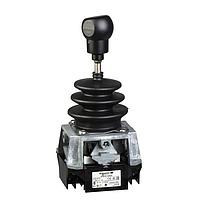
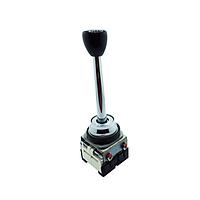
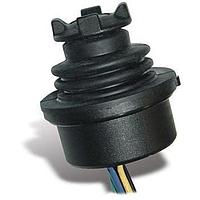
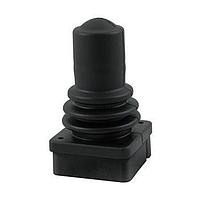
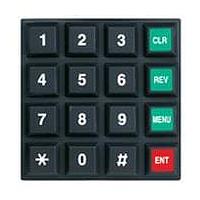
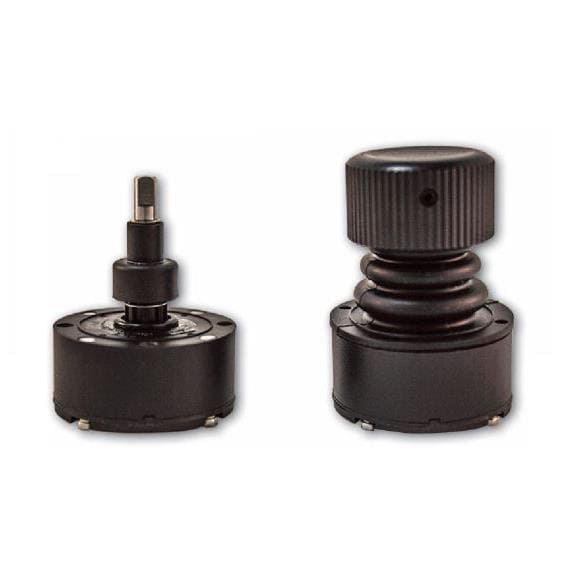
HMI design often combines several input methods rather than relying on one interface style. Touch panels are useful for visual interaction, but many machines also benefit from directional switches, navigation controls, or compact manual selectors that remain easy to use with gloves, under vibration, or in space-constrained enclosures.
Examples in this category reflect that range. The Alps Alpine RKJXL100401V 8-directional stick switch is suited to directional input and menu navigation, while the Adafruit 504 5-way navigation switch shows how compact multi-direction control can support embedded or panel-based user input. Products listed as other switch types may also serve specialized interface tasks where layout, tactile feel, or signal switching behavior matters to the final design.
Representative manufacturers in this category
Several well-known suppliers contribute to this HMI range. Alps Alpine is relevant where tactile switching, navigation, and compact operator input devices are needed for control panels or embedded equipment. Analog Devices appears in the selection with RF and signal-switching devices that may support specialized interface or routing requirements in broader electronic system design.
Other manufacturers such as Banner Engineering, Allegro MicroSystems, Adafruit, and Amphenol add further context for buyers working across industrial, embedded, and electromechanical interface projects. The value of a category like this is not simply brand breadth, but the ability to compare different interface approaches based on function, mounting style, operating conditions, and control intent.
How to choose the right HMI product
A practical selection process starts with the operator task. If the user needs directional movement through menus or settings, a joystick-style or multi-way navigation switch may be more efficient than a simple pushbutton. If the application depends on signal routing at higher frequencies, an RF switch such as the Analog Devices ADG936BRUZ-REEL or ADG902BCPZ-REEL7 may be the appropriate component within the wider interface electronics chain.
It is also important to review the electrical and environmental conditions. Rated voltage, current, operating temperature, switching topology, and mechanical form factor all influence long-term suitability. For industrial environments, the best choice is usually the one that aligns with actual panel behavior, expected user interaction, and integration requirements rather than the one with the broadest specification list.
Matching HMI hardware to real applications
Different industries use HMI hardware in different ways. On machine panels, operators may need quick directional control, menu access, and local acknowledgment. In embedded equipment, compact navigation switches can help reduce panel size while keeping interface logic intuitive. In instrumentation or communication hardware, signal switching devices may support internal routing where interface and electronics design overlap.
For systems that also rely on visual monitoring, HMI components are often part of a wider operator ecosystem that may include cameras and accessories for inspection or observation, as well as counting and motion-related feedback devices elsewhere in the control system. That broader context matters because the interface should match how users actually supervise and operate the machine.
Integration considerations for panel builders and OEMs
For OEMs, system integrators, and maintenance teams, HMI sourcing is about more than finding a compatible part number. Mechanical mounting, tactile response, board or panel integration, and replacement planning all affect implementation. Compact switches and navigation devices may be ideal for tight enclosures, while other applications require components that are easier to access during maintenance or field replacement.
Interface reliability also depends on the surrounding electrical design. When planning a complete control panel, related product groups such as circuit protection and switching or control hardware elsewhere in the system should be considered early. This helps reduce redesign risk and supports more predictable operation once the machine is deployed.
Examples of products found in this HMI range
The product mix in this category shows how broad HMI requirements can be. The Alps Alpine RKJXL100401V provides an 8-directional stick-switch format for user input, while the Adafruit 504 offers a through-hole 5-way navigation option for compact designs. Analog Devices ADG936BRU and ADG936BRUZ-REEL illustrate RF switch solutions for applications that require controlled signal paths within electronic systems.
Additional items such as Alps Alpine S45111X103B420, RH1822D97J, and M9W, along with Banner Engineering RP-LM40D-6 and Allegro MicroSystems CT8132BV-IS3, broaden the selection for engineers who need to compare interface-related switch formats and specialized device roles. Product-level review is still essential, but these examples show the category’s usefulness for both classic operator input and adjacent interface electronics.
Finding the right fit for your interface design
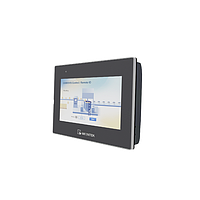
An effective HMI solution should make equipment easier to operate, easier to understand, and easier to maintain. That may mean selecting a tactile navigation switch for direct local control, a display-oriented component for panel interaction, or a specialized switching device that supports the electronic path behind the interface.
By comparing form factor, operating conditions, and intended user interaction, buyers can narrow the selection to parts that genuinely support system usability and integration. If your project spans operator input, control logic, and supporting hardware, this category is a useful starting point for building a more complete industrial interface architecture.
Get exclusive volume discounts, bulk pricing updates, and new product alerts delivered directly to your inbox.
By subscribing, you agree to our Terms of Service and Privacy Policy.
Direct access to our certified experts