What is a vacuum cleaner? Why are so many people still benefiting from it?
Tin vacuum cleaner, known to many people for its soldering fume extraction application, is a device in the electrical and electronic field designed to suck and filter out toxic fumes and tiny dust generated during the soldering of electronic components. Its operating mechanism is based on creating a negative pressure air flow, sucking smoke directly from the soldering position and passing it through a multi-layer filter system before returning clean air.
In fact, it is widely used in modern production environments and even small repair shops. This popularity comes from practical benefits:
Long-term health protection: Solder fumes contain lead, burned rosin and volatile organic compounds (VOCs), which can cause respiratory problems, skin allergies, and even affect the nervous system if exposed for a long time. The machine helps to eliminate these risks almost completely.
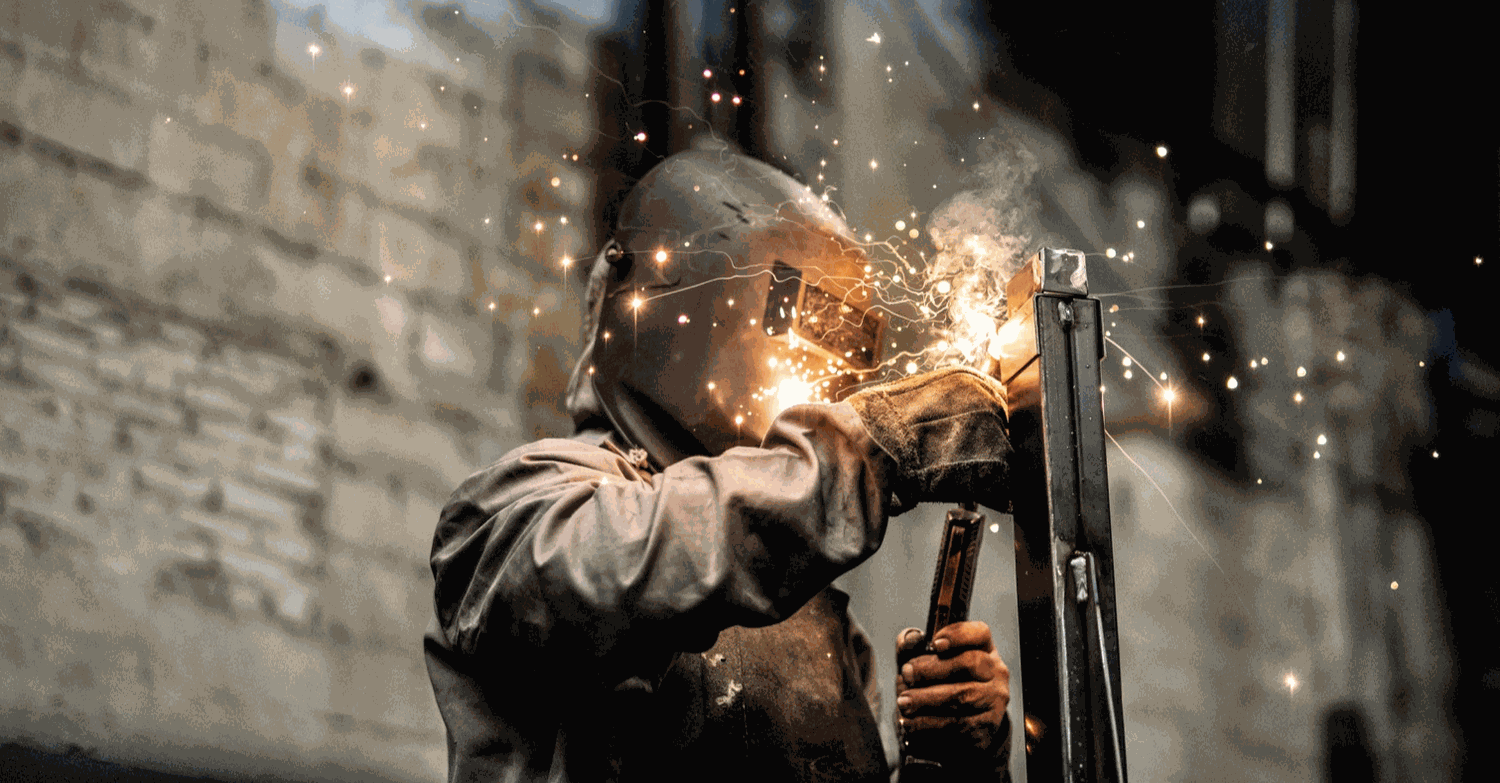
Professional working environment: A smokeless, dust-free environment not only helps workers work more comfortably but also demonstrates professionalism and compliance with occupational safety standards.
Ignore price, the most suitable selection criteria
There are many types of Desoldering Stations on the market today with diverse prices and features. To choose a machine that is truly suitable, you need to ignore the price factor and focus on the following core criteria:
Suction and air flow
This is the most important factor. A machine with strong suction will ensure that the soldering fumes are completely sucked up at the source, not spreading into the air.
For individuals or small gardens, unit exhaust fans such as the QUICK 201B have a compact design with just enough suction power, making them perfect for placing on a desk.
For large production workshops: A central suction system with large capacity is needed, air flow from 500 m³/h or more, and multiple suction nozzles can be connected to serve multiple working positions at the same time.
Filter technology
The filter is the heart of the vacuum cleaner, determining the efficiency of smoke filtration. An effective filtration system usually includes 3 layers:
Pre-filter layer: Retains large dust particles.
HEPA filter layer: Traps fine dust particles, even those with extremely small sizes that cannot be seen with the naked eye.
Activated carbon layer: Removes toxic gases, odors and volatile organic compounds.
When choosing a machine, learn carefully about its filtering capacity. A good filtering system helps clean the air thoroughly, protecting the health of workers in the best way.
Noise and design
Although it does not affect the suction efficiency, the noise level directly affects the working experience. A machine that is too noisy can be annoying and affect the ability to concentrate. Prioritize models with low noise levels, around 45-60dB, to create the most comfortable working space.
In addition, you can refer to the category: EMIN Desoldering Stations to get the most suitable choice for your work.
Avoid the 3 most common mistakes when using a tin vacuum cleaner
Having a good machine is not enough, using it properly is the deciding factor in its effectiveness. Below are the 3 most common mistakes that many people often make:
Inappropriate placement of the suction pipe: Placing the suction pipe too far or too high compared to the welding position will reduce the smoke extraction efficiency. The optimal position is to place the suction nozzle 15-20 cm from the tip of the soldering iron, so that the rising smoke is sucked directly into the pipe.
Forgetting to replace the filter regularly: The filter has a certain lifespan. When saturated, the filtering capacity will be significantly reduced, causing toxic fumes to spread into the environment. Check and replace the filter according to the manufacturer's recommendations, or when you notice a significant reduction in suction power.
Not cleaning regularly: Dust and dirt that accumulate over time can clog the duct, reducing the machine's performance. Regularly cleaning the machine's housing, suction pipe and coarse filter will help the device operate stably and prolong its life.
Not only safety, how does the Desoldering Stations help improve product quality?
In addition to its health protection role, the tin vacuum also brings practical benefits to production quality that few people pay attention to:
Improve the quality of solder joints: During the soldering process, dust particles and dirt in the air can stick to the solder joints, reducing adhesion and creating unwanted defects. The tin vacuum keeps the working environment clean, making the solder joints stronger and more perfect.
Increase productivity: A clean working environment, free of toxic fumes that cause fatigue, will help workers concentrate, reduce rest time and increase the overall productivity of the production line.
Compliance with industrial standards: For exporting enterprises, compliance with international labor safety standards is mandatory. Desoldering Stations are one of the important equipment that helps enterprises meet these strict standards.
Conclusion:
Using a solder vacuum is a simple decision but brings long-term benefits to yourself and your work. This is a tool that helps you stay away from the potential harmful effects of solder fumes. Moreover, working in a clean environment is also a way to improve product quality and affirm professionalism in each operation.
A safe and clean working environment is the core factor that helps you develop sustainably on your career path.