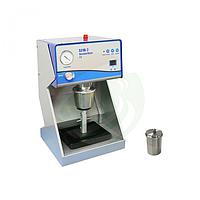
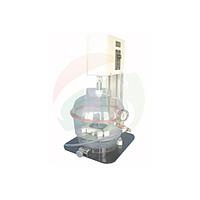
Mixer & Rotator
Consistent sample preparation is one of the small details that has a big impact on laboratory accuracy. Whether the task involves suspending particles, blending reagents, rotating culture vessels, or preparing calibration gases, the right motion control equipment helps improve repeatability, reduce manual handling, and support a more stable workflow. This is where Mixer & Rotator equipment becomes an essential part of many lab setups.
On this page, you can explore laboratory devices used for controlled shaking, orbital mixing, rolling, rotating, and related sample-handling processes. The category covers instruments for liquid handling, biological preparation, routine lab mixing, and selected gas dilution applications, giving buyers a practical starting point when comparing equipment for research, testing, QC, and production support environments.
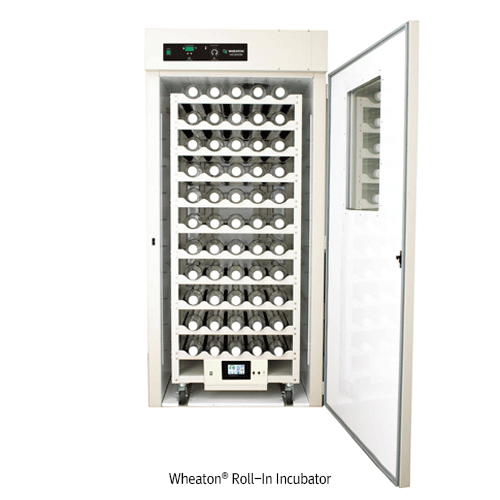
Where mixer and rotator equipment fits in the lab
Laboratory mixing is not a single process. Different samples require different types of motion, contact surfaces, speed ranges, and load capacities. A microplate workflow, for example, benefits from controlled orbital motion, while tube mixing, bottle rolling, or continuous culture handling may call for very different device formats.
That is why this category is broader than a single instrument type. It brings together equipment used to keep suspensions uniform, improve reagent interaction, support incubation workflows, and minimize variability between operators. In many labs, these devices are used alongside other support equipment such as laboratory blenders or handling aids depending on the sample format and throughput.
Typical equipment included in the Mixer & Rotator category
The scope of this category generally covers several motion-based laboratory tools. Some units are designed for tubes, vials, or bottles, while others are made for microplates or specialized process tasks. Common selection factors include motion type, speed control, sample holder format, operating duration, and compatibility with the surrounding workflow.
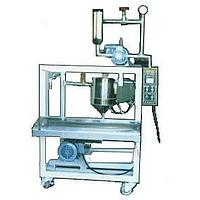
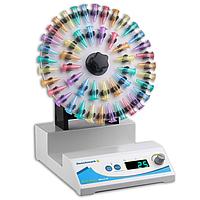
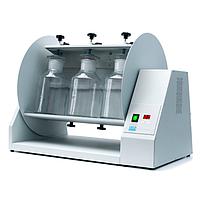
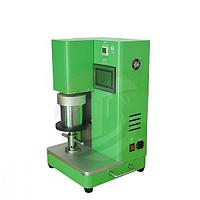
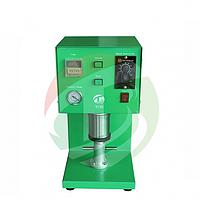
Examples within this broader group include vortex mixing, rolling motion, digital rotation, turn-table style agitation, and centrifugal or gas-mixing related systems. Although the front-end category structure already separates these subtypes, understanding the overall ecosystem helps buyers narrow down which platform is more suitable before comparing individual models.
Illustrative products and manufacturers in this range
A practical example for plate-based work is the DaiHan DH.MixM1500 Microplate Mixer, a compact unit designed for orbital shaking of microplates with controlled speed. Its operating profile makes it relevant for routine sample preparation steps where even mixing across wells matters, especially in analytical and biological workflows. Buyers looking for more equipment from this brand can also review DaiHan laboratory products for related bench-top instruments.
This category also includes specialized systems such as the automatic gas dilution system line from LDetek. Models such as the LDGDSA-N₂-N₂ series are used in applications where precise dilution ratios, repeatability, and controlled gas handling are important. While this differs from liquid sample mixing, it still belongs in the broader mixing ecosystem because the core purpose is controlled preparation of a uniform, repeatable test or process condition.
How to choose the right device for your application
The best starting point is the sample itself. Consider whether you are working with microplates, tubes, bottles, gas lines, or culture vessels. The required motion may be orbital, rolling, rotational, vortex-based, or pressure-controlled gas blending. Choosing by application first is usually more effective than choosing by brand or by speed specification alone.
Next, review the practical operating conditions: target throughput, working temperature and humidity range, allowable load, connection standard, and power requirements. For gas-related systems, dilution ratio and connection type are especially important. For plate and tube mixers, users often focus more on speed range, motion diameter, and the stability of the platform during continuous operation.
It is also worth thinking about bench space, cleaning needs, and how often the device will be used. A compact dedicated mixer may be ideal for repetitive daily tasks, while a more specialized rotator or gas dilution system makes sense when the process requires traceable, repeatable control.
Why motion control and repeatability matter
In technical laboratories, repeatability is often more important than raw speed. An instrument that produces stable motion and predictable mixing conditions helps reduce variation between batches, operators, and test runs. This is especially valuable in QC environments, analytical preparation, life science routines, and calibration-related work.
For instance, a microplate mixer with defined orbital motion can help maintain uniformity across wells, while a gas dilution system with electronic pressure regulation supports controlled generation of lower-concentration gas streams from a source gas. In both cases, the equipment contributes to process consistency, which directly affects data quality and downstream decisions.
Brand considerations for laboratory buyers
Many buyers begin with a preferred manufacturer, especially when they want compatibility with existing equipment or a familiar operating style. Brands listed in this category include Eppendorf, NEOGEN, Wheaton, CISA, Thinky, Yamato, Benchmark, DaiHan, Fcon, and LDetek. Each may serve different laboratory needs, from general bench-top workflows to more specialized preparation tasks.
However, brand should be balanced with application fit. A strong purchasing decision usually comes from matching the device format, motion principle, operating range, and sample type to the real process in the lab. In some cases, related product groups such as other DaiHan laboratory equipment may also provide useful context when building out a complete workstation.
Common use cases across research, QC, and industrial labs
Mixer and rotator equipment appears in a wide range of environments. Research labs may use it for sample resuspension, reagent blending, and culture handling. Quality control teams often rely on controlled mixing before measurement steps, ensuring that prepared samples are homogeneous before testing.
In industrial and process-support labs, these devices can also support calibration preparation, gas handling, and routine pre-analysis steps. The category is therefore relevant not only to life science users, but also to analytical laboratories, environmental testing teams, and technical facilities that need dependable sample preparation tools. Where safe movement and setup efficiency are important, support items such as lab carts and trolleys may also be useful around the workspace.
Choosing with confidence
A well-selected mixer or rotator helps standardize preparation steps, save operator time, and improve overall workflow control. The right choice depends on understanding the motion required, the sample format, and how the equipment will be used day to day rather than focusing on a single headline specification.
As you compare options in this Mixer & Rotator category, it helps to look at the intended application first, then narrow the shortlist by format, operating range, and manufacturer. That approach usually leads to a more practical purchase decision and equipment that fits smoothly into the lab’s existing process.
Get exclusive volume discounts, bulk pricing updates, and new product alerts delivered directly to your inbox.
By subscribing, you agree to our Terms of Service and Privacy Policy.
Direct access to our certified experts