The nature of magnetic metals and their classification
In mechanical processing and material manufacturing, accurately identifying magnetic metals plays a decisive role in determining final product quality. Scientifically, magnetic metals are materials that strongly respond to external magnetic fields or can themselves become sources of magnetic fields. Based on their level of interaction, metals are typically divided into three main groups:
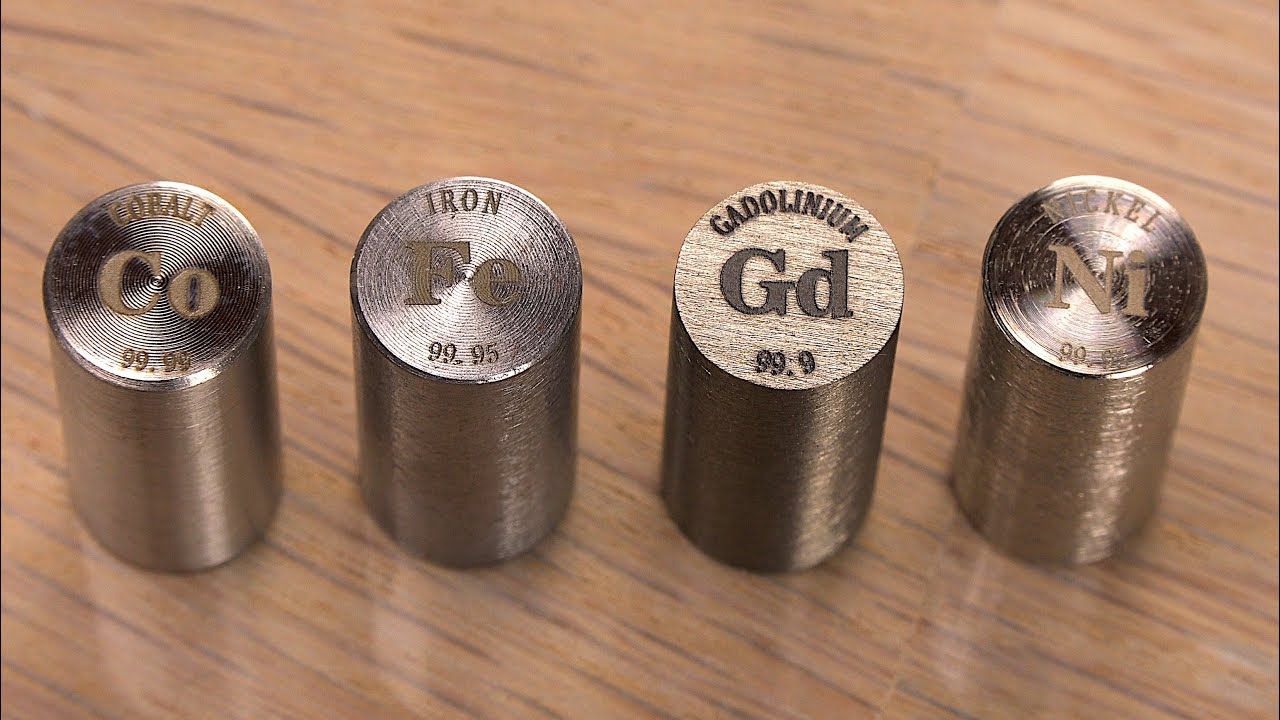
Ferromagnetic group: Includes Iron (Fe), Nickel (Ni), Cobalt (Co), and alloys such as Steel. This group has the strongest magnetic properties, is strongly attracted to magnets, and can retain magnetism even after the external magnetic field is removed.
Paramagnetic group: Includes Aluminum (Al) and Magnesium (Mg). These metals have very weak magnetic attraction and usually require highly sensitive measuring instruments to detect.
Diamagnetic group: Includes Copper (Cu), Gold (Au), and Silver (Ag). These metals do not exhibit magnetic properties and may even produce a slight repulsive force when exposed to strong magnetic fields.
Many people also wonder about stainless steel and whether it is considered a magnetic metal. The answer depends on its crystal structure. Stainless steel in the 400 series (such as 430) has strong magnetic properties, while the 300 series (such as 304 and 316) is generally non-magnetic under standard conditions but may become slightly magnetic after cold working.
The importance of identifying magnetic properties in measurement
When working with metal materials across engineering industries, the first step is not to immediately perform measurements but to determine whether the base material is magnetic metal (F – Ferrous, such as Iron and Steel) or non-magnetic metal (NF – Non-Ferrous, such as Aluminum and Copper). This classification is critical for the following reasons:
First, you must select the correct “measurement language” of the thickness gauge. Each base material requires a different measurement principle to ensure accurate results:
For Iron and Steel substrates (F): The device uses magnetic induction. You can imagine the instrument using magnetic sensing to detect the distance to the metal surface.
For Aluminum and Copper substrates (NF): The device uses eddy current technology. The instrument generates a small electrical current on the surface to calculate thickness.
If the wrong mode is used (for example, using an F probe on aluminum), the instrument will not be able to correctly interpret the surface and may return inaccurate results or display errors. To solve this issue, modern devices integrate both F and NF probes, allowing automatic substrate detection and mode switching, making operation easier and more reliable.
Second, identifying whether a metal is magnetic helps prevent interference during hardness testing. Magnetism not only affects thickness measurements but is also a major source of interference for hardness testers using the Leeb rebound method. If the tested material has strong residual magnetism, it may create attraction or repulsion forces that interfere with the internal sensors of the impact device. This results in unstable and fluctuating measurement readings.
For this reason, engineers and technicians always perform magnetic inspection and demagnetization before conducting measurements to ensure maximum reliability.
How to check and eliminate residual magnetism in metals
During machining or electrical cutting processes, metals often develop residual magnetism. This can cause various issues, such as metal dust sticking to components and causing wear, or interfering with proximity sensors.
Fortunately, these issues can be easily resolved by using appropriate equipment such as:
Gauss meters: These devices help accurately determine the remaining magnetic field strength on the metal surface. You can refer to magnetic field measuring instruments from reputable brands such as Tenmars and Lutron, known for their high sensitivity.
Demagnetizers: These devices help restore metal components to a safe magnetic state before assembly or shipment.
Understanding the properties of magnetic metals and using modern measurement equipment is the key to optimizing production processes and minimizing technical risks. In Vietnam, EMIN provides comprehensive solutions ranging from handheld gauss meters to advanced inspection systems, helping businesses fully control magnetic parameters in every process.
Do not let small magnetic deviations affect your product quality and reputation. Contact the EMIN engineering team today to receive expert consultation and select the most suitable equipment for your business needs.